Key Takeaways
-
The American Association of Orthodontists recommends a first orthodontic checkup by age 7, which is an evaluation rather than a guarantee that treatment will start.
-
Verify the treating clinician is a licensed orthodontic specialist and ask who will supervise your treatment from start to finish.
-
Compare the full plan, including written treatment details, appointment frequency, emergency support, retainer policy, and total fees, not just the price.
-
Metal braces suit complex bite movements, ceramic braces offer a less noticeable look, and clear aligners work for mild to moderate cases but require steady daily wear.
-
Ask about a down payment, monthly payment options, insurance verification, and family discounts before committing to treatment.
-
Retainers are essential for protecting results, so ask what type is recommended and how long you will need to wear it.
Finding a family orthodontist in Clearwater can feel like a big job. You may be juggling a seven-year-old’s first checkup, a teenager who wants straighter teeth before prom, and your own long-delayed smile goals. The good news is that one practice can often care for all of you, and choosing well takes a few simple steps.
This friendly guide walks you through each step. You will learn what a family orthodontist does, when each family member should be seen, and how braces and clear aligners compare. You will also learn what to ask about cost, follow-up care, and credentials. Think of it as a checklist you can carry to any consultation, so you feel calm, informed, and confident about your choice.
What a Family Orthodontist Actually Does
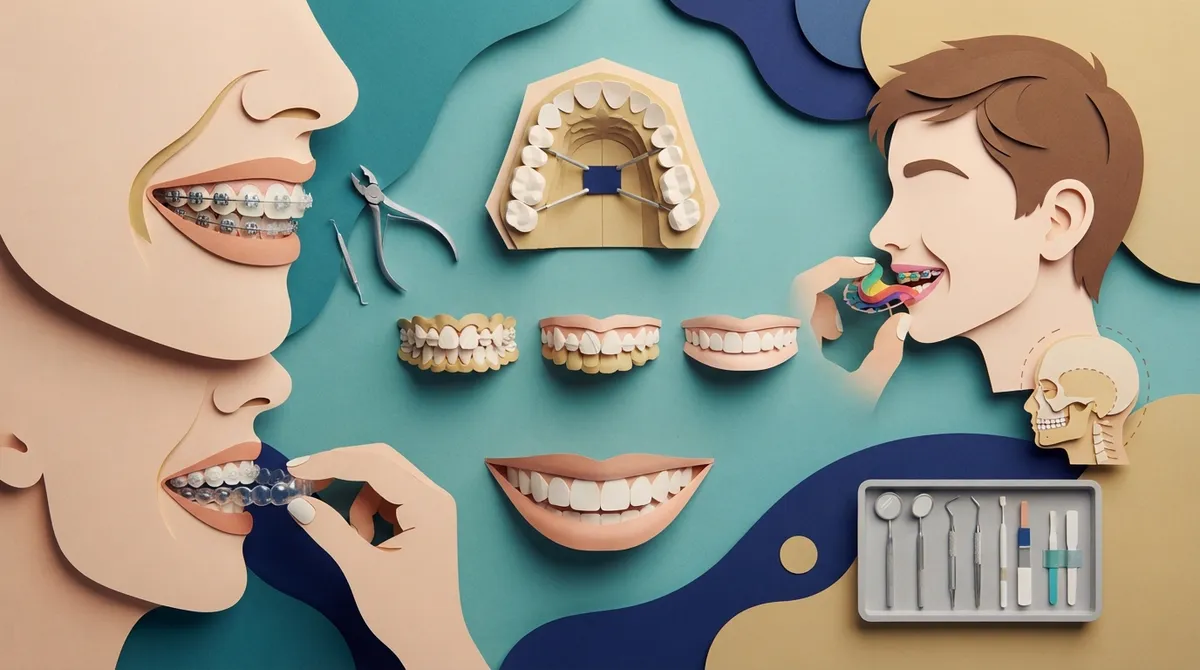
A family orthodontist is a specialist who evaluates and treats patients across childhood, adolescence, and adulthood. The focus is on tooth alignment, bite, jaw development, and overall oral health. Seeing one practice for everyone means one team knows your family, your schedule, and your goals.
This is different from a general dentist, who handles cleanings, fillings, and everyday dental care. An orthodontist completes extra specialty training focused on moving teeth and guiding jaw growth. If you are curious about the difference, our guide on orthodontist vs. dentist explains who does what.
The big perk of a family practice is coordination. You can book back-to-back visits, share one financial conversation, and feel at home in one welcoming office. You can learn more about this approach in our overview of family orthodontic care for all ages.
Step 1: Know When Each Family Member Should Be Seen
Orthodontic needs change with age. Here is a simple way to think about it.
Children: The Age 7 Checkup
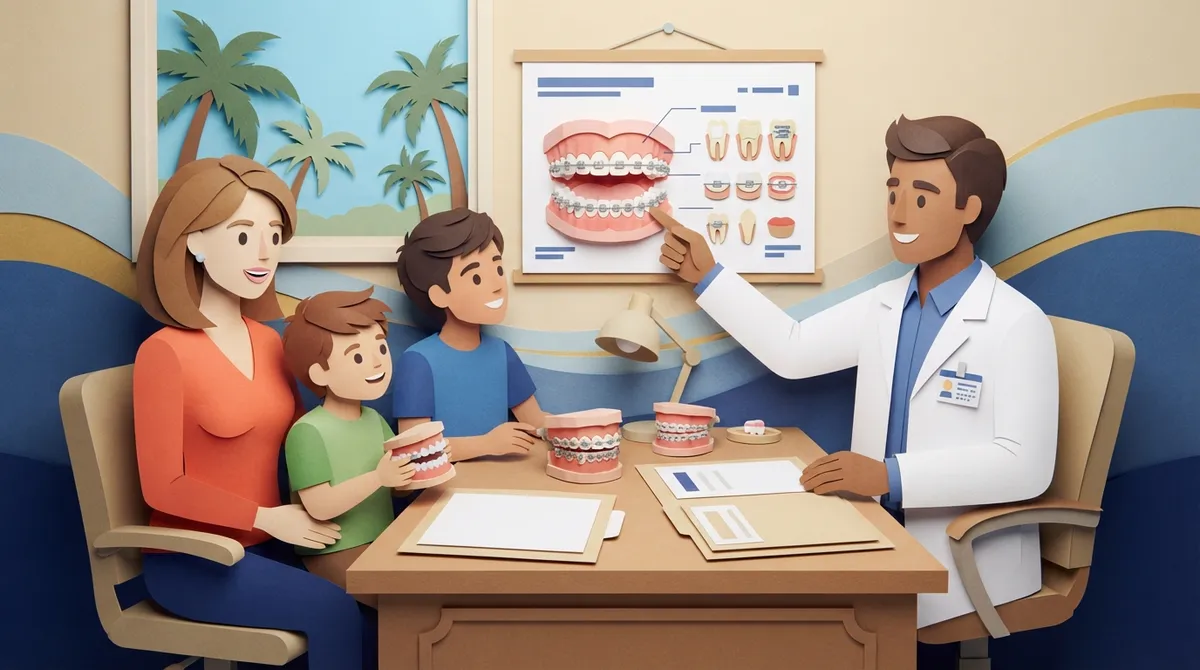
The American Association of Orthodontists recommends a first orthodontic checkup by age 7. This is an evaluation, not a promise that treatment will start. Many children are simply monitored while their permanent teeth come in. Others benefit from early treatment to guide jaw growth or make room for teeth.
If you want to understand the difference, read why an early evaluation isn’t treatment. It can take away a lot of worry for parents.
Teens: The Classic Braces Years
Most teens start treatment once most permanent teeth have arrived. Teens often care about looks and comfort, so options matter. A good orthodontist will talk with your teen directly, not just with you.
Adults: It Is Never Too Late
Age alone does not rule out treatment. Adults can wear braces or clear aligners, though healthy gums and teeth are important. Adult patients often want something discreet that fits a busy work life. Our post on orthodontics for adults in Clearwater covers what to expect.
Retreatment Patients
Did you wear braces years ago, and now your teeth have shifted? You are not alone. Teeth can move over time, especially without steady retainer wear. A fresh evaluation can show whether a short round of retreatment would help.
Step 2: Check Credentials and Who Will Treat You
This step matters more than almost any other. Before you commit, verify that the treating clinician is a licensed orthodontic specialist. Then ask who will supervise your treatment from start to finish.
- Ask whether the orthodontist completed a recognized specialty program.
- Ask who will adjust your braces or check your aligner progress.
- Ask how long the doctor has been treating patients of all ages.
- Ask whether the practice is active in professional groups, such as the Florida Association of Orthodontists.
You can find a helpful checklist in our guide to orthodontist credentials to check before you book. At Brockway Orthodontics, Dr. Brockway takes time to listen to your concerns and goals, so you feel informed and comfortable from the first visit.
Step 3: Understand Your Treatment Options
A family orthodontist in Clearwater should explain each option in plain language. Most practices offer three main choices.
| Option | Best For | Provider-Reported Time Range* | Key Trade-Off |
|---|---|---|---|
| Metal braces | Complex tooth and bite movements | 12–30 months | Most visible, always working |
| Ceramic (clear) braces | Patients who want a less noticeable look | 12–24 months | Can stain if care is poor |
| Clear aligners | Mild to moderate cases, patients who follow instructions | 6–18 months | Needs steady daily wear |
*These ranges come from one Clearwater-area provider’s published comparison. They are estimates, not promises. Your actual time depends on your case and how well you follow instructions.
Metal Braces
Metal braces are a tried-and-true choice. They handle many bite problems and work around the clock because they cannot be removed. Modern brackets are smaller and more comfortable than older styles. If you want a closer look, see metal vs. ceramic braces.
Ceramic Braces
Ceramic braces use tooth-colored brackets that blend in better. Many teens and adults like them for photos, weddings, and work meetings. They work much like metal braces, with a more discreet look.
Clear Aligners
Clear aligners are removable trays that gradually move your teeth. Brockway Orthodontics offers Spark™ Clear Aligners, a more affordable alternative to Invisalign. Aligners are removable, but they only work if you wear them consistently. They may not suit every case, which is why a real exam matters. You can read more in our guide to Spark Clear Aligners.
Not sure which way to lean? Our comparison of braces vs. clear aligners in Clearwater lays out the pros and cons side by side.
Step 4: Look for Modern, Comfortable Technology
Technology can make your visits easier and your plan more precise. Ask whether the office uses digital scans instead of messy impression trays. Ask whether they use 3D imaging to plan tooth movement.
At Brockway Orthodontics, digital impressions replace goopy molds, and 3D imaging helps map your treatment carefully. That means a more comfortable start and a clearer picture of where your teeth are headed. To learn more, check out facts about intraoral scanning.
Step 5: Compare the Full Plan, Not Just the Price
It is tempting to pick the lowest number. But a fair comparison looks at the entire plan. Use this numbered list when you compare offices.
- Treatment plan: Is the plan clear, written, and tailored to the patient?
- Appointment schedule: How often are visits, and are they easy to fit into your week?
- Emergency support: What happens if a wire pokes or a bracket breaks?
- Retention plan: Are retainers included, and how long will they be needed?
- Total fees: What is the complete cost, and what might cost extra later?
A written fee breakdown helps you avoid surprises. Read why a written orthodontic fee breakdown matters. Also, check out these ways to find an affordable orthodontist in Clearwater.
Step 6: Ask About Payment and Insurance
Orthodontic care is an investment, and a good office will help you plan for it. Many families use monthly payment plans, and some dental plans offer partial orthodontic benefits. Coverage varies a lot, so ask the office to help you check what your plan includes.
- Ask whether there is a down payment and what it covers.
- Ask about monthly payment options that fit your budget.
- Ask the office to help you verify insurance benefits.
- Ask about family discounts if more than one person will be treated.
These resources can help: braces payment plans for Clearwater families and how to use dental insurance to help pay for braces. Costs depend on your case, so always confirm details with the office directly.
Step 7: Plan Your First Consultation
A consultation is your chance to ask questions and see how the team treats you. A good visit feels friendly, not rushed. Expect an exam, a conversation about your goals, and sometimes digital scans or X-rays.
What to Bring
- Your dental insurance card, if you have one
- A list of questions and concerns
- Any past dental or orthodontic records
- A list of medicines and health conditions
Questions Worth Asking
Try asking, “What do you see in my bite?” and “What are my options and trade-offs?” You can also ask how long treatment might take and what happens after braces come off. For more ideas, see our list of questions to ask at an orthodontic consultation and our tips on preparing for your Clearwater consultation.
Remember, you are not signing up for anything by asking questions. A caring orthodontist will welcome them.
Step 8: Think About Life After Braces
Straight teeth need a little help staying straight. Retainers are the key to protecting your results, and they matter for kids, teens, and adults alike. Ask the office what type of retainer they recommend and how long you will wear it.
Learn more with how to care for your dental retainer the right way. And if you ever lose one, do not panic. Many offices can help you get back on track quickly.
A Few Local Tips for Clearwater Families
Location and convenience count when you will be visiting every few weeks. Several practices in the Clearwater area offer orthodontic care, so compare offices that fit your commute and school schedule. Services and availability change, so confirm details directly with each office before you visit.
Many families also like a practice that shows real care for the community. Dr. Brockway is passionate about Clearwater and focuses on building relationships with families, not just creating beautiful smiles. That kind of warmth can make a long treatment feel much easier.
You can see what neighbors say by reading reviews. Visit us on Google — Brockway Orthodontics to see what our Clearwater patients have shared. You can also follow along with the team on Facebook for office news and smile stories.
Common Mistakes to Avoid
A few simple traps can slow you down. Watch out for these.
- Choosing only on convenience: A close office is nice, but quality of care matters most.
- Skipping the credential check: Always confirm you are seeing a licensed orthodontic specialist.
- Ignoring the retention plan: Results can shift without proper retainer care.
- Waiting too long for kids: A simple checkup can catch issues early.
For a longer list, read family orthodontist mistakes to avoid in 2026. And for a broader walkthrough, try our guide to choosing an orthodontist in Clearwater.
Your Next Step Toward a Confident Smile
Choosing a family orthodontist in Clearwater comes down to a few clear steps. Know when each person should be seen, check credentials, and understand your options. Then compare the full plan, plan for payments, and prepare for your first visit. You do not have to figure it all out alone.
Brockway Orthodontics is here to help every member of your family, from first checkups to adult smile makeovers. We offer braces, ceramic braces, and Spark Clear Aligners, with modern technology and a warm, welcoming team. In certain cases, same-day treatment can help busy families get started without extra trips. Ready to take the first step? Book your appointment online or contact us with any questions. We would love to meet you and your family.
FAQs
Q: At what age should my child first see an orthodontist?
A: The American Association of Orthodontists recommends a first checkup by age 7. It is only an evaluation, so it does not mean your child needs braces right away. Many kids are simply watched while their teeth come in.
Q: Does a family orthodontist treat adults as well as children?
A: Yes! A family orthodontist cares for children, teens, and adults, often in one welcoming office. Age alone does not rule out treatment, though healthy teeth and gums help your care team plan the best approach.
Q: Are braces or clear aligners better for my teen?
A: It depends on your teen’s bite and goals. Aligners are removable but need steady daily wear, while braces work around the clock and can handle more complex movements. An in-person exam is the best way to find the right fit.
Q: How long does orthodontic treatment usually take?
A: One Clearwater-area provider estimates about 12–30 months for metal braces, 12–24 months for ceramic braces, and 6–18 months for clear aligners. These are estimates only, since your actual time depends on your case and how closely you follow instructions.
Q: What should I bring to my first orthodontic consultation?
A: Bring your insurance card, any past dental or orthodontic records, and a list of medicines and questions. Having your goals written down helps you get the most out of the visit.
Our Service Area