Key Takeaways
-
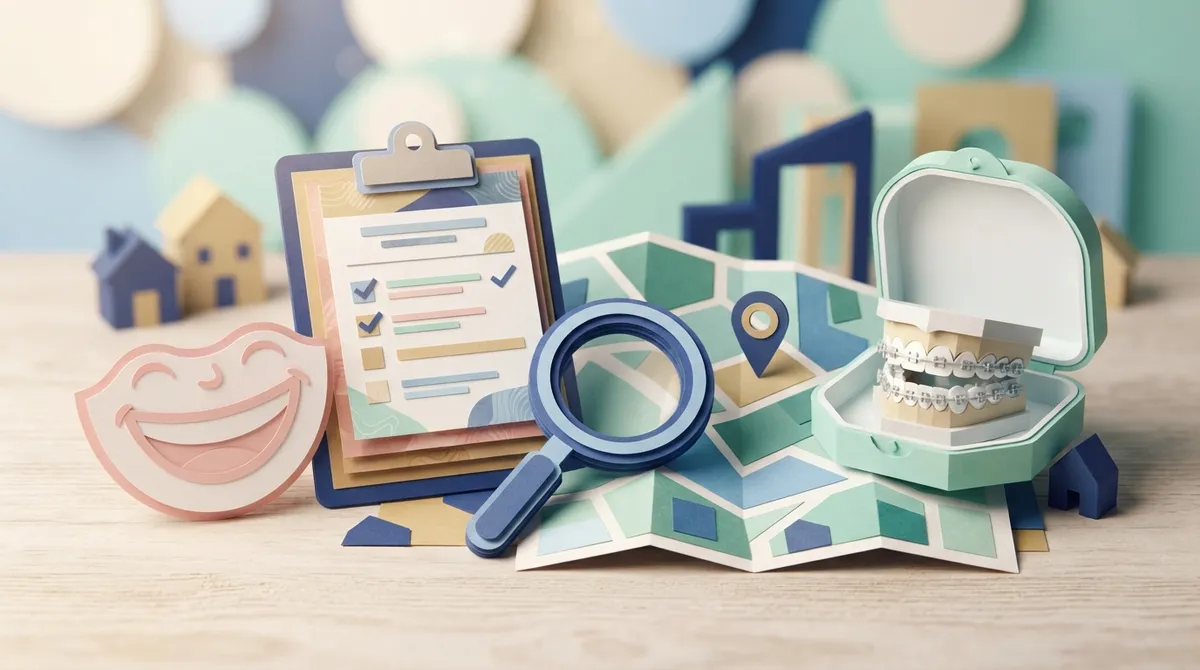
Confirm that any provider is a licensed orthodontist, a dentist with extra specialty training, not just a general dentist offering aligners, and verify the license with your state dental board.
-
The American Association of Orthodontists recommends a first check-up by age 7; this visit is an evaluation, and treatment may not start right away.
-
Ask for a written, itemized cost estimate covering the total fee, what it includes, payment schedule, financing terms, and extras like retainers before committing.
-
Use reviews to spot patterns, but rely on a real consultation to judge the doctor's expertise and how the office communicates.
-
Ask about the retainer plan before treatment ends, since teeth naturally drift back without retention and replacement costs can add up.
-
Watch for red flags such as pressure to sign up on the spot, vague cost answers, or promises of results that sound too good to be true.
Typing “orthodontists near me” into a search bar is a big first step. Maybe your child’s teeth look crowded. Maybe you have wanted a straighter smile for years. Or maybe your old retainer stopped fitting. Whatever your reason, you deserve a clear path forward.
The search can feel overwhelming, though. Dozens of offices pop up, and they all promise great results. How do you pick the one that fits your family?
This guide makes it simple. You will learn what an orthodontist does, how to check credentials, what to ask during a visit, and how to understand costs. We will also cover when kids should be seen and what treatment options exist. By the end, you will feel ready to book a visit with confidence.
What Does an Orthodontist Actually Do?
An orthodontist is a dentist who completed extra years of specialty training. That training focuses on teeth, bites, and jaw growth. These specialists diagnose and treat misaligned teeth and jaws, which is called malocclusion.
Common problems they treat include:
- Crowded or overlapping teeth
- Gaps between teeth
- Overbites, underbites, and crossbites
- Open bites and misaligned jaws
- Teeth that have shifted after earlier treatment
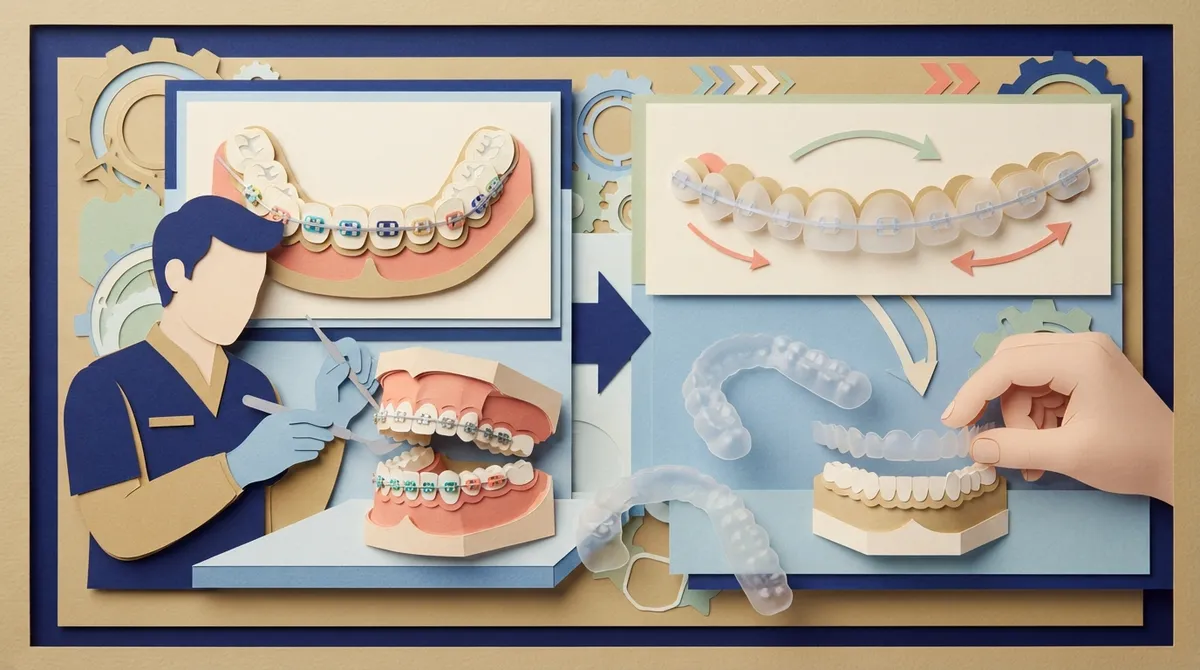
To fix these issues, orthodontists use braces, clear aligners, expanders, retainers, and other appliances. The goal is more than a pretty smile. A well-aligned bite can make chewing easier and teeth simpler to clean.
Not sure how an orthodontist differs from your regular dentist? This breakdown of orthodontist vs. dentist and which one you actually need explains it well.

Why “Near Me” Matters in Orthodontic Care
Orthodontic treatment is not a one-and-done visit. Braces usually need adjustments every several weeks. Clear aligners need regular check-ins to confirm your teeth are moving as planned. Over many months, those trips add up.
A nearby office makes life easier in a few ways:
- Appointments fit around school and work
- A broken wire or loose bracket can be fixed quickly
- You are more likely to keep every visit
- Families can schedule siblings back to back
Convenience matters, but it should not be your only filter. The closest office is not always the best match. Let’s look at what else to weigh.
How to Find a Qualified Orthodontist Near You
Follow these steps to narrow down your options without the stress.
- Confirm the specialty. Make sure the provider is an orthodontist, not only a dentist who offers some aligner services.
- Check the license. Orthodontists must be licensed in the state where they practice. Your state dental board can confirm this.
- Look at professional memberships. Groups like the Florida Association of Orthodontists and the American Association of Orthodontists support specialists. Membership is helpful, but it is not a substitute for checking the license itself.
- Read reviews with care. Reviews help you spot patterns, such as friendly staff or long wait times. They should never replace a real clinical consultation.
- Book a consultation. This is where you meet the doctor, ask questions, and see how the office feels.
For more detail, our guide on orthodontist credentials to check before you book walks through each item.
What to Compare Between Local Orthodontists
Once you have a short list, compare the practices side by side. This table shows the key areas to review.
| What to Compare | Why It Matters | Questions to Ask |
|---|---|---|
| Specialist training | Shows advanced education in tooth and jaw movement | Are you a specialist orthodontist? Where did you train? |
| Experience with your case | Some cases are simple, others are complex | How often do you treat cases like mine? |
| Treatment options | Not every option suits every bite | Which options fit my goals and why? |
| Technology | Digital scans and 3D imaging improve planning and comfort | Do you use digital impressions? |
| Scheduling and location | You will visit many times | What are your hours? Do you offer emergency help? |
| Communication | Clear answers build trust | Will you explain each step in plain language? |
| Written costs | Prevents surprise bills | Can I get the total fee in writing? |
A good practice welcomes every one of these questions. If an office seems rushed or vague, that tells you something.
Braces, Aligners, and Other Options Explained
Today’s patients have more choices than ever. Here is a quick look at the main ones.
Metal Braces
Traditional metal braces are strong and reliable. They handle a wide range of tooth and bite problems. Modern brackets are smaller and more comfortable than the ones your parents wore. If you want to learn more, see this guide to metal braces benefits, cost, and what to expect in 2026.
Ceramic (Clear) Braces
Ceramic braces use tooth-colored brackets that blend in with your smile. Teens and adults often like them because they are less noticeable. Compare the two styles in metal vs. ceramic braces: which is right for you.
Clear Aligners
Clear aligners are removable, nearly invisible trays that move teeth step by step. They suit many mild to moderate cases. Brockway Orthodontics offers Spark™ Clear Aligners, a more affordable alternative to Invisalign. Not sure which route to take? Read braces vs. clear aligners: which fits you best.
Other Appliances
Some patients need expanders, elastics, or special tools to guide jaw growth or fix a bite. Your orthodontist will explain if one is right for you. A good doctor will also explain the expected benefits, limits, timeline, and retention plan for any option.
Here is a simple way to think about it:
- Metal braces: sturdy, effective for most cases
- Ceramic braces: discreet and fixed in place
- Clear aligners: removable and low-profile, but they require steady wear
When Should Kids See an Orthodontist?
Parents ask this question all the time. The American Association of Orthodontists recommends an initial check-up by age 7, or sooner if you notice a concern.
Here is the part many parents miss: an early check-up does not mean treatment starts right away. The orthodontist may simply watch your child’s growth. They may recommend treatment later, or they may suggest starting now. It is an evaluation, not a commitment.
Signs to watch for include:
- Teeth that look crowded or overlap
- Baby teeth that fall out very early or very late
- Trouble chewing or biting
- Mouth breathing or thumb sucking past the usual age
- A jaw that shifts or sounds when it moves
Want the full picture? Our article on why early evaluation isn’t treatment can ease worries, and age 7 vs. waiting helps you decide on timing.
Orthodontic Care for Teens and Adults
Many teens want straight teeth before graduation, prom, or a big life event. Today’s options let them choose a look that fits their style. Parents can find helpful tips in this guide to choosing the right orthodontist for teens.
Adults are not left out. Busy professionals often want discreet treatment that does not disrupt work or social plans. Others come back after years because their teeth shifted. If a retainer was skipped, relapse can happen, and retreatment is often possible. The right plan depends on your teeth, your bite, your gum health, and your goals.
Curious whether it is too late? Here are 14 facts that prove adults can get braces in 2026. And if gums or other dental concerns are on your mind, a customized plan can address both function and appearance.
Understanding the Cost of Orthodontic Care
Cost is a top concern, and it should be. Prices vary by case, treatment type, and length of care. A “price per month” can look low while hiding other fees.
Before you commit, ask for a written estimate that includes:
- The total fee for the full treatment
- What the fee covers, such as visits, scans, and adjustments
- The payment schedule and any down payment
- Financing terms and interest, if any
- Possible extra costs, such as retainers or replacement appliances
Insurance can help, but coverage varies a lot by plan, age, and policy. Some plans have a lifetime maximum or waiting periods. Always confirm your benefits with both your insurer and the practice. These resources can help: how to use dental insurance to help pay for braces and braces monthly payment plans.
Remember that treatment length affects price, too. Learn how in how treatment length affects orthodontic costs.
What Happens at a First Orthodontic Visit?
A first visit should feel welcoming, not scary. Here is what usually happens:
- A friendly welcome. You fill out a few forms and meet the team.
- A careful exam. The orthodontist looks at your teeth, bite, and jaw.
- Digital records. Modern offices may use digital scans and 3D images instead of messy molds.
- A real conversation. You talk about your goals and concerns.
- Your options. The doctor explains choices, timelines, and costs in plain language.
Come prepared with questions. Not sure what to ask? See 13 questions to ask at an orthodontic consultation and your first orthodontist appointment: what to expect. Many offices also offer a free orthodontic consultation, which gives you a no-pressure way to learn more.
Why Local Care Feels Different at Brockway Orthodontics
If you are searching for orthodontists near me in the Clearwater, Florida area, Brockway Orthodontics is worth a look. Dr. Brockway is more than a qualified orthodontist. She truly cares about your journey. She listens to your concerns and your dreams for your smile, so you feel comfortable and informed from start to finish.
The practice welcomes the whole family. Teens can start their first braces, and adults can explore discreet options. The team explains everything in a friendly, easy-to-understand way, from the benefits of braces to tips for caring for clear aligners.
Technology helps, too. The office uses digital impressions instead of messy molds and 3D imaging for precise planning. In certain cases, same-day treatment is available, which is a real help for busy families.
Dr. Brockway also loves this community. That passion shapes how she cares for every patient. To her, building relationships with families matters just as much as creating beautiful smiles. Curious about the person behind the practice? Read who the Brockway orthodontist in Clearwater, FL is, or see what neighbors say when you read Brockway Orthodontics reviews on Google.
Red Flags and Green Flags to Watch For
Trust your gut during a visit. Here are signs to notice.
Green flags:
- The doctor explains options without pressure
- You receive a written, itemized estimate
- The team answers questions patiently
- The office is clean and runs on time
- There is a clear plan for emergencies
Red flags:
- A rush to sign up on the spot
- Vague answers about total cost
- No clear plan for retainers after treatment
- Promises of results that sound too good to be true
For a deeper look, check 7 signs you’ve found the right orthodontist office and 7 mistakes to avoid when searching for orthodontists near me.
Don’t Forget About the Retainer Plan
Great results can fade without proper retention. Teeth naturally want to drift back. A retainer holds your new smile in place, and the plan should be discussed before treatment ends. Ask what type you will receive, how long to wear it, and what a replacement costs. This small detail protects your whole investment.
Ready to Take the Next Step?
Finding the right orthodontist does not have to be stressful. Check credentials, compare options, ask about costs in writing, and choose a team that makes you feel at ease. The best match listens first and explains everything clearly.
If you are in the Clearwater area, we would love to meet you. Book your consultation online or contact us with any questions. A great smile is closer than you think.
FAQs
Q: How do I find a qualified orthodontist near me?
A: Start by confirming the provider is a licensed specialist orthodontist in your state. Then read reviews, compare treatment options, and book a consultation to see how the office feels. A good team will welcome every question you have.
Q: At what age should my child see an orthodontist?
A: The American Association of Orthodontists recommends a first check-up by age 7, or earlier if you notice a concern. This visit is only an evaluation. It does not mean your child must start treatment right away.
Q: How much do braces or clear aligners cost?
A: Cost depends on your case, the treatment type, and how long care takes. Ask for a written estimate that lists the total fee, what is included, payment terms, and extras like retainers. Confirm insurance benefits with both your insurer and the practice.
Q: Are clear aligners or braces better for my case?
A: It depends on your teeth, your bite, and your goals. Clear aligners work well for many mild to moderate cases, while braces can handle a wider range of needs. Your orthodontist can recommend the best fit after an exam.
Our Service Area