Key Takeaways
-
A backup retainer is a precaution, not a replacement for wearing your main retainer as directed, and it should be made from a current scan so it fits your teeth as they are today.
-
If your retainer is lost or broken, call your orthodontist right away rather than waiting for a checkup, because teeth can shift while a replacement is arranged.
-
Never force a spare that feels tight, painful, warped, or will not seat fully; call your orthodontist before wearing it when in doubt.
-
An old retainer made before later tooth movement may not fit safely, so check with your orthodontist before using it as a backup.
-
Store your spare in a labeled protective case away from heat, pets, and trash, and keep it separate from your main retainer, especially when traveling.
-
Clean your spare gently with a soft toothbrush and mild soap, avoid hot water, and let it air dry before storing it.
Picture this: it is the night before a big event, and your retainer is nowhere to be found. Maybe the dog got it. Maybe it went out with the lunch tray. Maybe it snapped in half in your bag. If you have ever felt that stomach-drop moment, you are not alone, and the good news is that it is very fixable.
That is where a spare comes in. Many patients have questions about backup retainers, such as whether they need one, what it costs, and how to use it safely. Your teeth worked hard to move into their new spots, and a spare can help protect that progress when life happens.
In this friendly guide, we walk through 15 of the most common questions, grouped by theme. Whether you are a parent juggling a teen’s gear, a young adult heading to college, a busy professional, or someone returning after past treatment, you will find clear, practical answers. At Brockway Orthodontics in Clearwater, Florida, we love helping families keep their smiles steady for the long haul.
The Basics: What Is a Backup Retainer?
1. What exactly is a backup retainer?
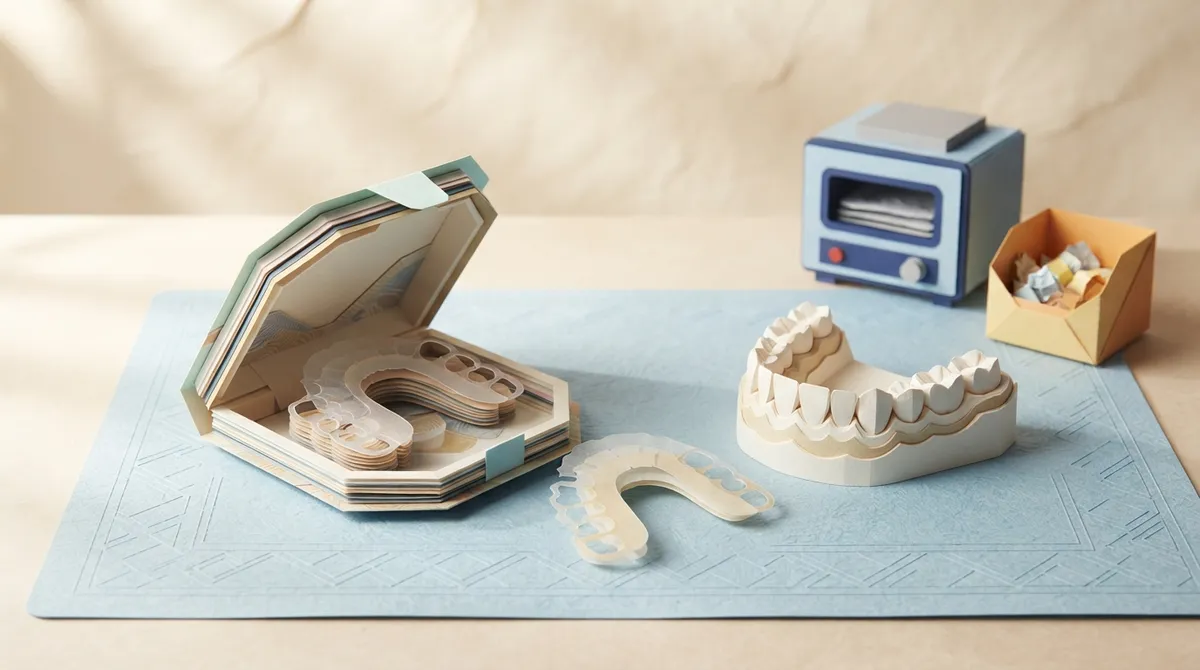
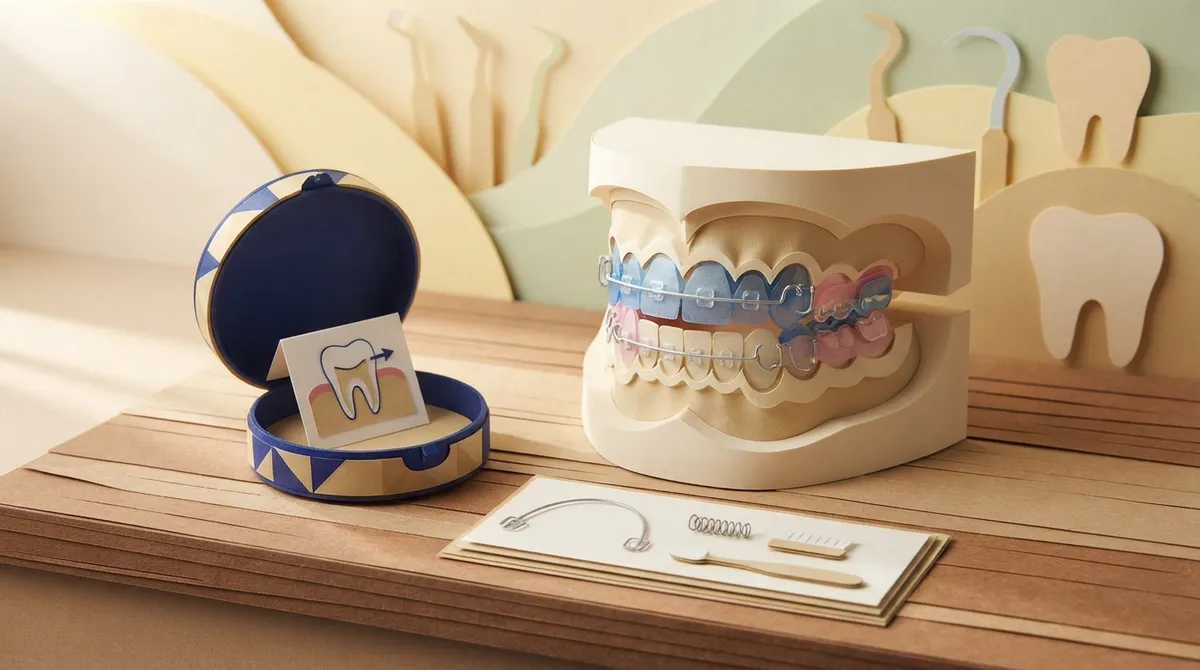
A backup retainer is an extra removable retainer made to step in if your main one is lost, broken, or no longer fits. Think of it like a spare tire. You hope you never need it, but you will be very glad it is there.
It is a precaution, not a replacement for regular wear or follow-up visits. You still need to wear your main retainer as your orthodontist directs.
2. Why do teeth shift if I skip my retainer?
After treatment, the tissues and bone around your teeth are still settling. Teeth have a natural tendency to drift, and a retainer holds them steady while that settling happens. You can read more about this in our guide on why teeth can shift years after braces.
Without a retainer on hand, even a short gap can let teeth move. That is the main reason a spare is worth thinking about.
3. Should I get a backup retainer?
For many patients, yes, it is a smart idea. A spare is especially helpful if you travel often, have kids or teens who misplace things, have pets at home, or live somewhere a replacement would take time to arrange.
The best answer depends on your teeth and treatment history. Dr. Brockway can tell you whether a spare makes sense for you and which type fits best.
Fit and Type: Getting the Right Spare
4. How is a backup retainer made?
A good backup should be made from a current, accurate impression or digital scan. At our Clearwater office, we use modern digital scanning, so there are no messy molds. If you are curious how it works, take a look at these facts about intraoral scanning.
A fresh scan matters because teeth can change slightly over time. A spare made from old data may not fit well.
5. Can I use an old retainer as my backup?
It is tempting, but be careful. An old retainer made before any later tooth movement may not fit safely. If it feels tight, painful, or does not seat all the way, that is a sign it is no longer a good match.
We cover this topic in more detail in 5 steps to take when an old retainer no longer fits.
6. How do I know if my backup retainer still fits?
A well-fitting retainer should slide on with gentle pressure and sit snugly across all your teeth. Use this quick checklist:
- It seats fully without you pushing hard.
- You feel mild, even pressure, not sharp pain.
- There are no big gaps between the retainer and your teeth.
- It is not cracked, cloudy, or visibly bent.
If anything feels off, stop and call us. Our post on why you should not force an ill-fitting retainer explains the risks.
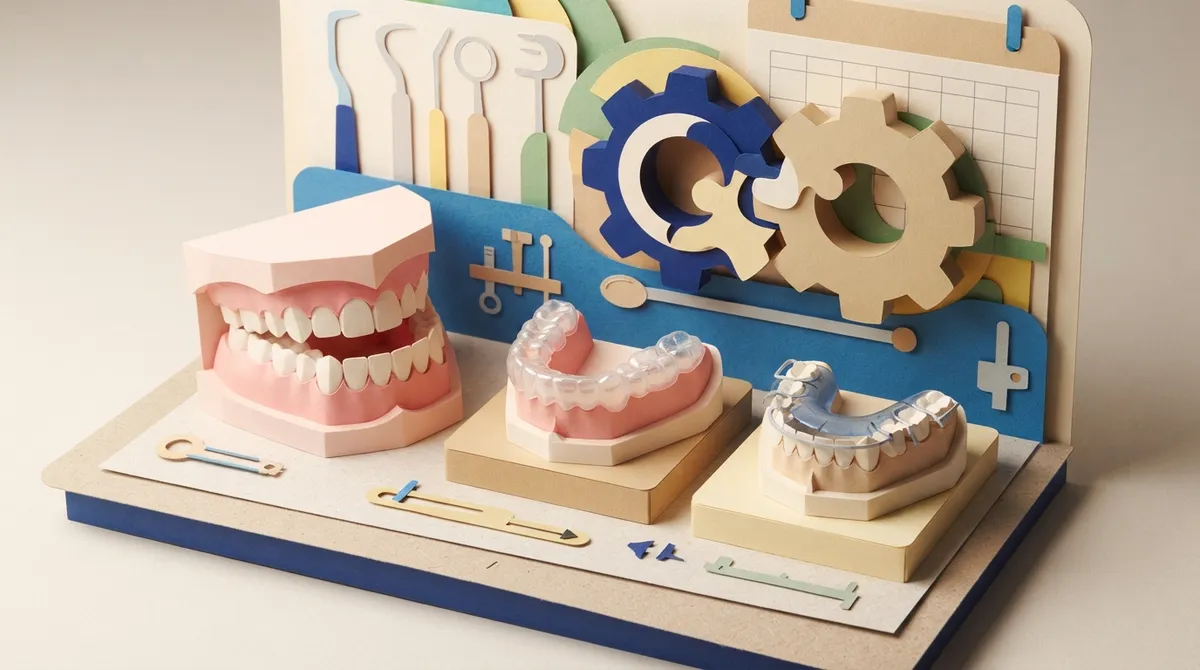
7. What types of retainers can be a backup?
Backups are usually removable, such as clear plastic retainers or wire-style retainers. Each has pros and cons, and the right pick depends on your bite and your habits. Here is a simple comparison:
| Type | What it is | Good to know |
|---|---|---|
| Clear plastic (Essix-style) | A thin, clear tray that covers your teeth | Discreet, but heat can warp it |
| Wire-and-acrylic (Hawley) | A wire across the front with an acrylic base | Durable and adjustable |
| Bonded (fixed) retainer | A thin wire glued behind teeth | Not removable, so it is not a spare |
To explore your options, see our guides on plastic retainers and removable retainer facts.
8. Does a spare removable retainer replace a bonded retainer?
No. A bonded retainer is glued in place, and a spare removable retainer does not do the same job. They can work as a team, though. Some patients wear a bonded wire plus a removable retainer for extra protection.
If your bonded retainer feels loose or has come detached, have it checked soon. Our article on fixed vs. removable retainers breaks down the differences.
When Life Happens: Lost, Broken, or Damaged
9. What should I do if I lose or break my retainer?
Call your orthodontist promptly. The American Association of Orthodontists advises not waiting for a routine checkup, because teeth can shift while a replacement is being arranged. Here is a simple plan:
- Stay calm and do not panic. This is common.
- Look in the usual spots, such as lunch trays, pockets, bags, and the car.
- Call your orthodontist’s office right away.
- Ask whether you should wear your backup in the meantime.
- Schedule a visit for a new scan and a fitted replacement.
We also have a handy walkthrough in I Lost My Retainer: What to Do Next and 8 smart steps to take when your retainer breaks.
10. Can I wear my backup while waiting for a replacement?
Often yes, but check first. A properly fitted spare can help hold your teeth while a new one is made. The key word is properly fitted.
Do not force a backup that is painful, badly warped, or will not seat fully. A poorly fitting appliance may need adjustment or replacement. When in doubt, call us before you wear it.
11. How long does a replacement retainer take?
It depends on the type and the lab. Some situations allow quicker turnaround. In certain cases, Brockway Orthodontics can offer same-day options, which is a big help for busy families. Learn more about same-day retainers in Clearwater.
The sooner you call, the sooner we can get you covered.
Care and Storage: Keeping Your Spare Safe
12. How should I store a spare retainer?
Keep it in a labeled, protective case, away from heat, pets, and anywhere it could be tossed out. Heat can warp some clear retainers, and pets love to chew them. Good habits include:
- Store the spare in a different spot from your main case, such as a drawer at home.
- Never leave it in a hot car or near a window.
- Write your name or phone number on the case.
- Keep it away from the dog’s reach, always.
For more tips, see keeping retainers safe from pets and why hot water can warp retainers.
13. How do I clean a backup retainer?
Gentle is best. Rinse it, brush it softly with a soft toothbrush and mild soap, and let it air dry before it goes back in the case. Skip hot water and harsh cleaners.
Even a spare that sits unused can collect dust or bacteria in its case, so give it a quick clean before wearing it. Our guide on how to care for your dental retainer has a simple routine to follow.
14. Should I bring my spare when I travel?
Yes, if you can. Travel is when retainers go missing most often. Packing your spare in a hard case, in a separate bag from your main retainer, gives you a safety net. Check out 8 retainer care mistakes to avoid while traveling before your next trip.
Cost and the Bigger Picture
15. How much does a backup retainer cost, and is it worth it?
Cost varies by retainer type and by your treatment plan, so the best step is to ask our team for a clear quote. Many families find that a spare costs less than an urgent replacement plus the risk of a shifted smile. You can explore pricing ideas in how to budget for retainer price after braces in 2026 and 7 retainer cost facts Clearwater patients should know.
Here is an honest note about the science. A 2023 Cochrane review included 47 studies and 4,377 adults and children, and it found the evidence to be low or very low certainty. In plain words, research has not shown that one retention method is clearly best for everyone. That is exactly why your plan should be personal.
A 2023 meta-analysis of 34 studies with 3,484 participants also looked at bonded retainers. It estimated an overall failure rate of about 35.22%, rising with longer follow-up. Those numbers are about fixed retainers, not removable spares, and the study authors rated the evidence as low quality. Still, they show why regular checkups matter, and why having a removable backup can be a comforting layer of protection.
Who Benefits Most From a Spare?
A backup retainer is not just for one type of patient. Here is how it fits different people:
- Parents of kids and teens: Retainers are easy to lose at school and sports. A spare saves stress and rush fees.
- Teens and young adults: Dorm life, travel, and busy schedules make mix-ups common.
- Adult professionals: Business trips and long workdays can leave a retainer behind.
- Relapse patients: If you have already had teeth shift once, a spare helps protect your investment. See orthodontic relapse warning signs.
- Health-conscious patients: Steady alignment supports easier cleaning and a healthier bite.
Final Thoughts: A Little Planning Goes a Long Way
A backup retainer will not make you perfect, and no retainer can promise permanent alignment. But a properly fitted spare, stored safely and used wisely, gives you a calm plan when something goes wrong. The most important rule is simple: if your retainer is lost, broken, or feels wrong, call your orthodontist quickly.
At Brockway Orthodontics, Dr. Brockway and our team take the time to listen and explain your options in a friendly, easy way. We serve families across Clearwater with braces, Spark™ Clear Aligners, and retainers that fit your life. If you are wondering whether a spare is right for you, we would love to help. Book your appointment online or contact us with your questions. You can also visit us on Google — Brockway Orthodontics to see what our patients say.
For general oral health guidance, the American Dental Association is a trusted resource, and the Florida Association of Orthodontists offers helpful information about orthodontic care in our state. You can also read the American Association of Orthodontists’ retainer FAQ.
FAQs
Q: Should I get a backup orthodontic retainer?
A: For many patients, yes! A spare can protect your smile if your main retainer is lost or broken, especially if you travel, have pets, or have kids who misplace things. Ask Dr. Brockway which type fits your teeth and treatment history best.
Q: What should I do if I lose or break my retainer?
A: Call your orthodontist right away instead of waiting for your next checkup. Teeth can shift while a replacement is being arranged, so a quick call helps keep your smile on track. Ask whether your backup is safe to wear in the meantime.
Q: Can I wear my backup retainer while waiting for a replacement?
A: Often you can, as long as the backup is properly fitted and seats fully without pain. Never force a retainer that feels tight, warped, or uncomfortable. When in doubt, call your orthodontist before putting it in.
Q: Can I use an old retainer if my current one is lost?
A: It is best to check first. An older retainer made before later tooth movement may not fit safely, and forcing it can cause discomfort. Your orthodontist can tell you whether it is okay for short-term use or whether a new scan is needed.
Q: How should I store and clean a spare retainer?
A: Keep it in a labeled protective case, away from heat, pets, and places where it could be thrown away. Clean it gently with a soft toothbrush and mild soap, skip hot water, and let it air dry before storing it.
Our Service Area