Key Takeaways
-
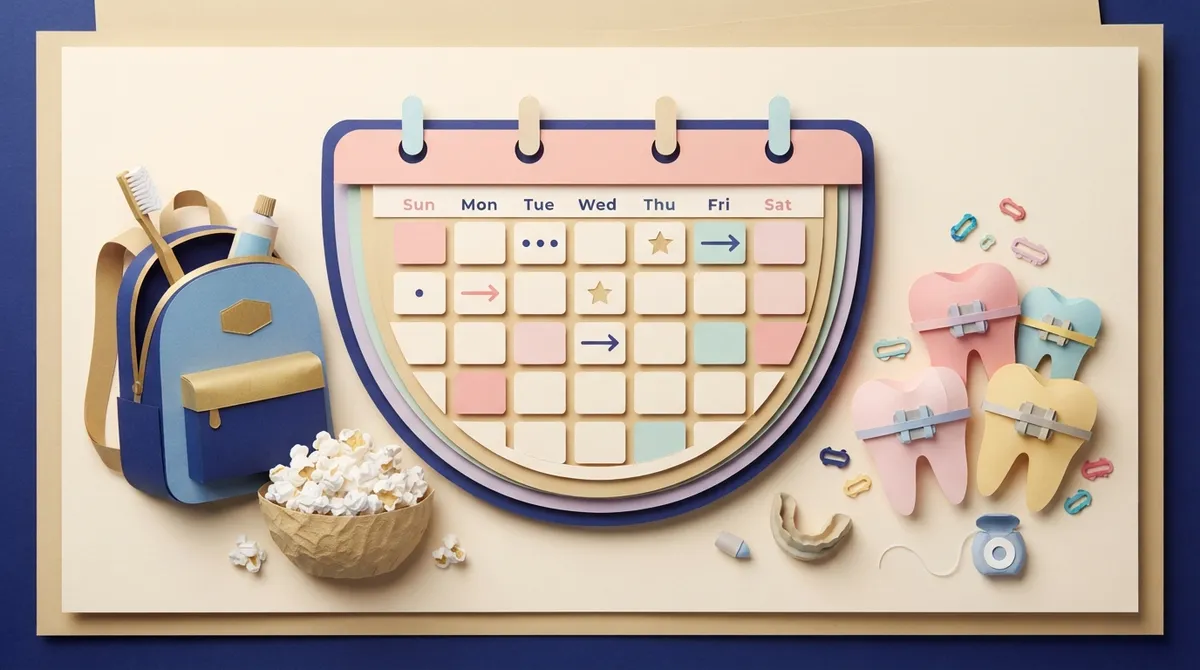
Missed or rescheduled orthodontic appointments are one of the most common reasons braces take longer, since treatment effectively pauses until the next adjustment happens.
-
Skipped elastics slow or stall bite correction, so making rubber bands a daily routine with spare packs in the backpack and car helps keep progress on track.
-
Broken brackets and wires interrupt the pressure that moves teeth; avoid hard, sticky foods like popcorn, caramel, and raw apples, wear a mouthguard for sports, and call the office promptly if something breaks.
-
Cavities, gum swelling, and poor cleaning can pause treatment, so brushing after meals, flossing with threaders or interdental brushes, and keeping dental cleanings up to date are essential.
-
The complexity of a teen's bite, such as severe crowding, impacted teeth, or jaw differences, can lengthen treatment, so ask the orthodontist for a clear plan and timeline.
-
Skipping retainer wear after braces can cause teeth to shift, so wear retainers as instructed and act quickly if one is lost to avoid extra adjustments or retreatment.
If your teenager has been in braces for what feels like forever, you are definitely not alone. Many families start treatment hoping for a neat 18-month finish, only to hear at a checkup that things are taking a little longer. The good news? A delay does not mean something has gone wrong. It usually means a few common, fixable things are getting in the way.
So what can delay a teenager’s braces treatment? The most common culprits are missed appointments, broken brackets or wires, not wearing elastics as instructed, oral-health problems like cavities or gum swelling, and the natural complexity of your teen’s bite. Growth and treatment staging can also play a role in some cases.
In this friendly guide, we will walk through each cause, explain why it matters, and share simple ways teens and parents can keep things moving. Think of it as a roadmap to a smoother, more predictable smile journey.
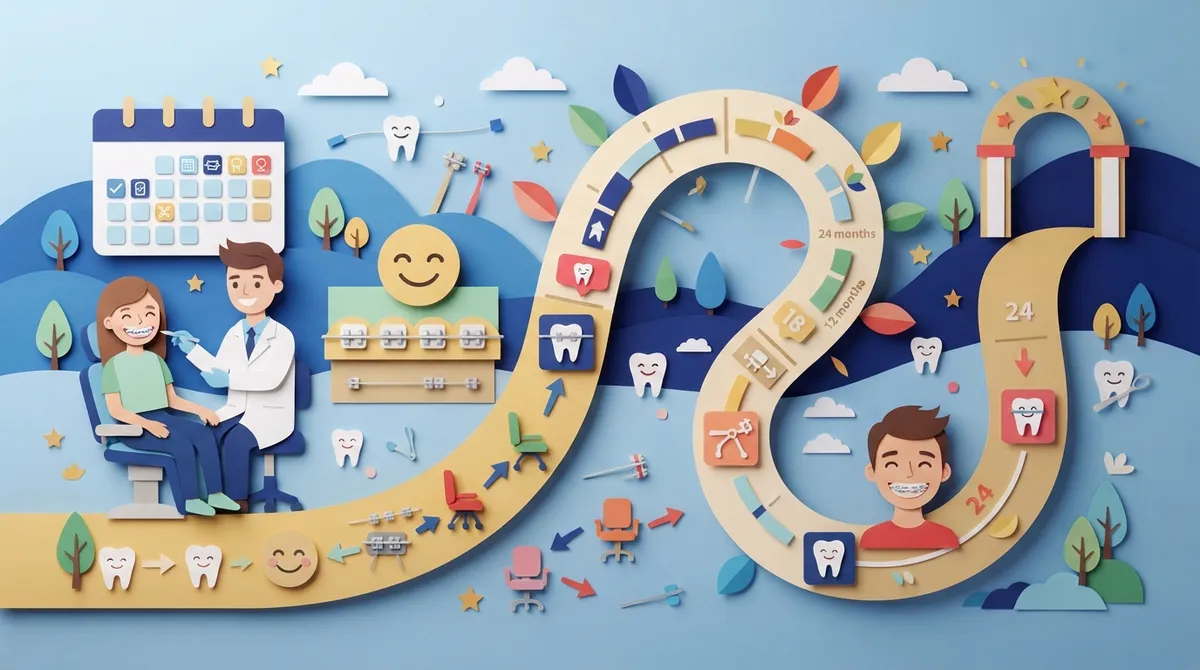
How Long Do Braces Usually Take for a Teenager?
Before we talk about delays, it helps to know what “on time” looks like. Orthodontic sources give a broad range, and no two smiles are the same.
| Source | Typical Estimate |
|---|---|
| NHS (fixed braces) | Usually 1–2 years for eligible patients |
| American Association of Orthodontists | Broad range of about 12–24 months |
| Royal Cornwall Hospitals NHS Trust patient guide | Usually 2–3 years, depending on complexity |
These are general estimates, not promises. Only your teen’s orthodontist can look at the bite, the teeth, and the treatment plan and give a timeline that fits. If you want to dig deeper into timelines, our guide on how long you have to wear braces breaks it down further.
1. Missed or Rescheduled Orthodontic Appointments
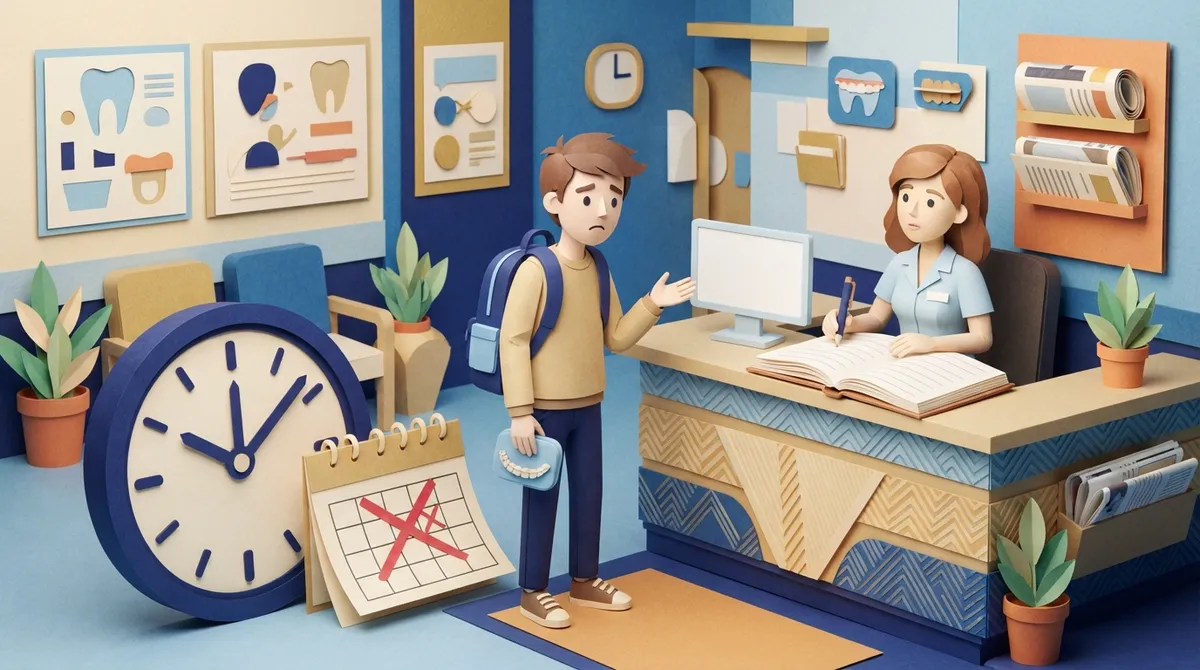
Between school, sports, band practice, and part-time jobs, teen schedules get packed fast. It is easy for an orthodontist visit to slide off the calendar. Unfortunately, this is one of the most common reasons braces take longer.
Fixed-brace checkups are commonly scheduled about every 6–8 weeks, though the interval depends on the treatment plan. At each visit, the orthodontist checks how the teeth are moving and makes adjustments, like changing wires or elastics. Skip a visit, and treatment simply pauses until the next adjustment happens.
Hospital patient guides, including one from University Hospitals Bristol NHS Foundation Trust, specifically note that missed appointments lengthen fixed-brace treatment. If you are curious about what happens during these visits, take a peek at 15 things to know about how often braces are adjusted or learn how missed braces appointments affect your treatment.
Easy Ways to Protect the Schedule
- Book the next appointment before leaving the office.
- Add visits to a shared family calendar with reminders.
- Try scheduling around exams, tournaments, and school breaks.
- If you must reschedule, call the office as early as possible so your teen is not waiting months.
2. Broken Brackets, Loose Wires, and Damaged Appliances
Braces are tough, but they are not invincible. A bracket that pops off or a wire that slips out of place interrupts the pressure that moves teeth. Even a small break can mean a few weeks of lost progress.
Repeated breakages are often linked to hard, sticky, or chewy foods. Think popcorn kernels, hard candy, caramel, ice, and whole raw apples bitten straight in. Sports without a mouthguard can cause trouble too.
If something breaks, do not just wait it out until the next visit. Contact the orthodontic office and ask for advice. Sometimes a quick repair keeps things on track. Our article on why braces brackets break and what to do has helpful tips, and what to do if a bracket comes loose is a handy one to bookmark.
Teen-Friendly Habits That Prevent Breakage
- Cut firm foods like apples and carrots into small pieces.
- Skip sticky candy, hard nuts, and chewing on pens or ice.
- Wear a mouthguard for contact sports.
- Keep orthodontic wax in a backpack for poking wires.
Need snack ideas? Check out these braces-friendly snacks for sports practice and the friendly food guide for braces.
3. Not Following Wear Instructions (Elastics and Removable Appliances)
Rubber bands, also called elastics, are tiny but mighty. They help correct the way the upper and lower teeth fit together. If a teen wears them only some of the time, the bite correction slows down, and sometimes stalls completely.
The same goes for other removable appliances, such as retainers, headgear, or aligners if your teen is using them. The effect depends on the specific plan and your orthodontist’s assessment, but not following instructions is a well-documented reason treatment can take longer.
We get it. Teens forget, lose bands, or feel self-conscious. The trick is making it a routine instead of a nag. Learn more about rubber band mistakes that slow your braces and try these ideas for helping teens remember orthodontic elastics.
Simple Ways to Make Elastics Stick
- Keep a small pack of spare bands in the backpack, car, and bathroom.
- Link changing bands to a daily habit, like brushing teeth.
- Set a phone reminder for the first few weeks.
- Ask the orthodontist exactly how many hours per day to wear them.
4. Cavities, Gum Problems, and Poor Oral Hygiene
This one surprises a lot of parents. Braces make brushing and flossing harder because food and plaque can hide around brackets and wires. If a teen struggles to keep teeth clean, problems can pile up fast.
Untreated cavities, gum swelling, or early gum disease can postpone the start of braces. During treatment, decay or gum damage can force a pause. University Hospitals Bristol notes that inadequate cleaning and diet may even lead to treatment being stopped to prevent dental damage.
Healthy teeth move more smoothly and finish more predictably. If your teen has a cavity before braces, taking care of it first is a smart move. Read more in why cavities need attention before orthodontic treatment.
A Teen-Proof Cleaning Routine
- Brush after meals and before bed with a soft toothbrush.
- Try floss threaders, interdental brushes, or a water flosser.
- Keep up with regular dental cleanings during treatment.
- Cut back on sugary drinks that feed plaque.
For step-by-step help, see 8 steps to brush teeth with braces the right way and 7 ways parents can support teen oral hygiene with braces.
5. The Complexity of Your Teen’s Bite
Sometimes a longer timeline has nothing to do with habits at all. It is simply what the teeth need. A mild case of gaps or slight crowding may finish faster than a complex bite.
Factors that can lengthen treatment include:
- Severe crowding or large gaps
- Impacted or missing teeth
- Overbites, underbites, or crossbites
- Jaw size or position differences
- Treatment plans that involve surgery
Straightforward alignment is usually quicker than moving teeth through a complicated bite correction. If you are wondering what shapes a timeline, 6 things that decide braces treatment time is a great read, and how treatment complexity affects orthodontic fees explains the cost side.
6. Growth, Development, and Treatment Staging
Teenagers are still growing, and that matters in orthodontics. In some cases, an orthodontist may monitor growth or divide treatment into stages instead of starting or finishing every phase right away. This is case-specific, not an automatic delay for all teens.
For example, a late-erupting permanent tooth may need to come in before the final alignment can be completed. Or a jaw issue may be easier to address while growth is still happening. A planned pause or stage is very different from a setback. It is part of the strategy.
Curious how this works? Our guides on how growth affects a teenager’s orthodontic plan and phase one vs phase two orthodontics explain the details.
7. Retainer Mistakes and Treatment Wrap-Up Issues
Even after braces come off, a few things can add time or bring teeth back out of place. Skipping retainer wear can lead to shifting, which sometimes means extra adjustments or retreatment. Lost or broken retainers are common with teens too.
If a retainer is lost, do not wait. Teeth can drift quickly. Here is what to do in our lost retainer guide, and learn how to care for your dental retainer so it lasts.
Quick Reference: Common Delays and Fixes
| What Causes the Delay | Why It Slows Things Down | What Helps |
|---|---|---|
| Missed appointments | Adjustments and monitoring are postponed | Book ahead, use reminders |
| Broken brackets or wires | Tooth movement is interrupted | Avoid hard and sticky foods, call the office promptly |
| Skipped elastics | Bite correction slows or stalls | Build a daily routine, carry spares |
| Cavities or gum problems | Treatment may pause or start later | Better brushing, regular dental visits |
| Complex bite | More tooth movement is needed | Ask for a clear plan and timeline |
| Growth and staging | Treatment may be phased or monitored | Follow the orthodontist’s staged plan |
What to Do If Your Teen’s Braces Seem Behind Schedule
First, take a breath. A delay does not mean treatment has failed. Here is a simple plan:
- Ask for an update. At the next visit, ask your orthodontist how things are going and what is affecting the timeline.
- Fix what you can. Elastics, cleaning, and food choices are the easiest wins.
- Report problems right away. Broken appliances, persistent pain, swollen or painful gums, or trouble keeping teeth clean all deserve a prompt call.
- Stay consistent. Small daily habits add up to big time savings.
Not sure whether something counts as urgent? See when you need an emergency orthodontist appointment. And if your teen has questions they are shy about asking, share 12 questions teens should ask their orthodontist.
Why Your Orthodontist Matters
A caring, communicative orthodontist can make a huge difference. At Brockway Orthodontics, Dr. Brockway takes time to listen, explain each step in plain language, and build a plan that fits your teen’s life. With modern tools like digital impressions and 3D imaging, planning is precise, and in certain cases same-day treatment can help busy families get started without extra trips.
You can learn more about the practice in who the Brockway orthodontist in Clearwater, FL is, or see what neighbors are saying: Visit us on Google — Brockway Orthodontics. For general guidance on oral health, the American Dental Association is a trusted resource, and the Florida Association of Orthodontists offers helpful information for families across the state.
Final Thoughts: Keep the Smile Journey on Track
When you look at what can delay a teenager’s braces treatment, the pattern is pretty clear. Missed visits, broken appliances, skipped elastics, and oral-health hurdles are the big ones, while bite complexity and growth are part of each teen’s unique story. The best news is that most causes are within your family’s control.
If your teen’s braces are taking longer than expected, or you want a fresh look at their progress, we would love to help. Book your appointment online or contact our friendly team to talk through your questions. Your teen’s best smile is worth the effort, and we are cheering them on every step of the way.
FAQs
Q: What is the most common reason a teenager’s braces treatment takes longer?
A: Missed appointments, broken brackets or wires, and not wearing elastics as instructed are among the most common reasons. The good news is that these are all things your family can work on together. If you are ever unsure, your orthodontist can point out what is affecting your teen’s timeline.
Q: Can cavities or gum disease delay getting braces?
A: Yes, they can. Untreated cavities or gum problems may need care before braces start, and if decay or gum damage develops during treatment, your orthodontist may pause things to protect your teen’s teeth. Keeping up with brushing, flossing, and regular dental visits makes a big difference.
Q: How long do braces usually take for a teenager?
A: Many sources describe fixed braces as lasting roughly 1 to 3 years, with the American Association of Orthodontists citing a broad range of about 12 to 24 months. Every smile is different, though, so only your teen’s orthodontist can give you a timeline that truly fits their bite.
Q: Can a broken bracket or wire make braces take longer?
A: It sure can. A loose bracket or out-of-place wire interrupts the steady pressure that moves teeth, and repeated breakages can add real time. If something breaks, call your orthodontic office for advice rather than waiting without checking.
Q: What should my teen do if a brace breaks or their gums become swollen?
A: Reach out to your orthodontic office promptly for guidance that fits your teen’s situation. In the meantime, orthodontic wax can ease irritation from a poking wire, and gentle, thorough cleaning can help swollen gums. Never be shy about calling, because quick action often prevents bigger delays.
Our Service Area