Key Takeaways
-
Soreness usually peaks on days 2 to 3 and eases over the following days, so plan on soft foods like yogurt, soup, oatmeal, and smoothies during that window.
-
Avoid hard, sticky, and chewy foods such as popcorn, nuts, ice, caramel, and hard candy, since they can bend wires or pop off brackets.
-
Use orthodontic wax on any bracket or wire that rubs your lips or cheeks: dry the area, roll a small ball of wax, and press it over the irritating spot.
-
Keep brushing after meals with fluoride toothpaste and a soft brush, cleaning above and below the wire, to prevent cavities and white marks around brackets.
-
Call your orthodontist if pain lasts more than a few days, gums swell noticeably, or a bracket or wire loosens and causes discomfort rather than attempting a DIY repair.
-
Don't hesitate to ask your orthodontic team questions about soreness, safe foods, and cleaning, and never guess at pain medication doses without advice from a parent or clinician.
Getting braces is a big moment. You’re excited, maybe a little nervous, and probably wondering what the next few days will feel like. Here’s the good news: the first week is very doable, and knowing what to expect makes it a lot easier. If you’re wondering what teens should expect during the first week of braces, the short answer is this: some soreness, a little rubbing, a few new habits, and a lot of progress.
The not-so-great news? A handful of common slip-ups can make that first week feel harder than it needs to be. Chewing on the wrong snack, skipping the wax, or rushing through brushing can turn a mild adjustment into a rough one. We’ve seen it all, and we want your first week to go smoothly.
This guide walks you through a day-by-day look at the first week, plus seven mistakes to skip. Whether you’re a teen about to get braces or a parent helping your kid through it, you’ll find simple, practical tips here. At Brockway Orthodontics, we love helping Clearwater families feel confident from day one, so think of this as a friendly head start.
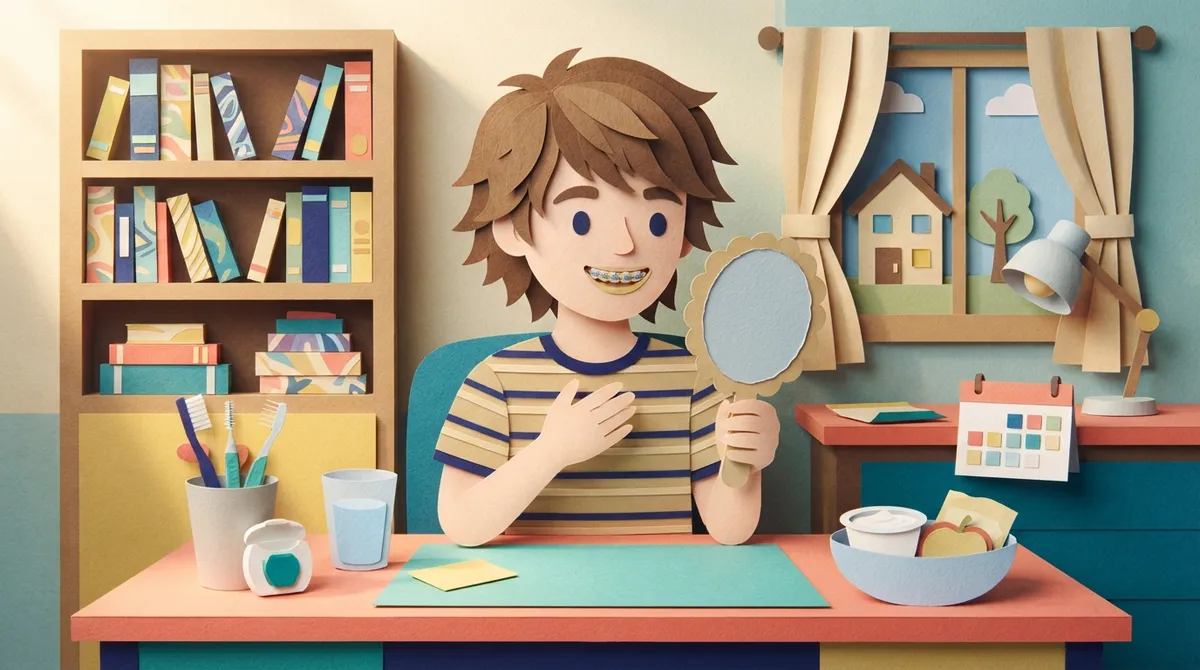
What Teens Should Expect During the First Week of Braces
Before we get to the mistakes, let’s set the stage. Your braces are working the moment they go on, and your mouth needs time to catch up. The fitting itself is generally not painful. The soreness usually shows up later.
Here’s a quick snapshot of how the week often unfolds. Everyone’s different, so use this as a general guide, not a promise.
| Timeframe | What You May Feel | What Helps |
|---|---|---|
| Appointment day | Mouth feels full and different; little to no pain | Eat soft foods, get used to the feel |
| Hours 4 to 24 | Teeth start to feel tight or tender | Soft foods, cool drinks, wax if needed |
| Days 2 to 3 | Soreness is usually at its peak, especially when biting | Yogurt, soup, mashed potatoes, smoothies |
| Days 4 to 5 | Tenderness starts to ease | Slowly add back braces-safe foods |
| Days 6 to 7 | Lips and cheeks feel more comfortable | Keep up good brushing habits |
NHS guidance says teeth may be sore for a few days after braces are fitted, and one hospital leaflet describes typical soreness as lasting about two to three days. Some teens feel it a bit longer, and that’s okay too.
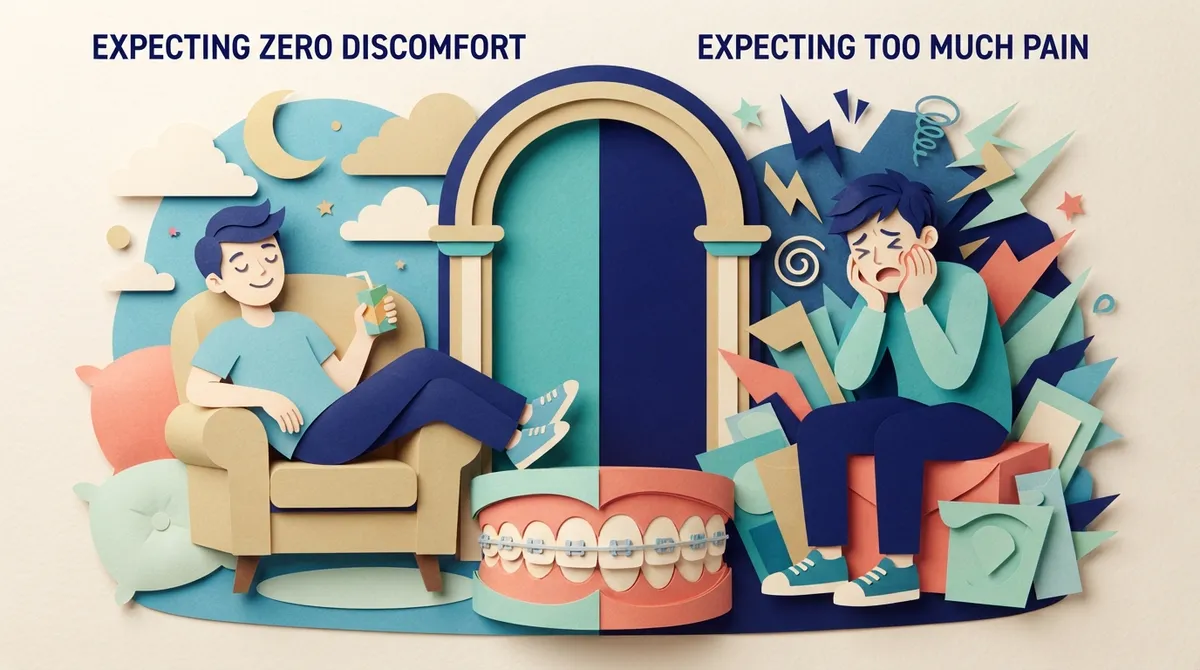
Mistake #1: Expecting Zero Discomfort (or Expecting Too Much)
Many teens go into their appointment with one of two ideas. Either “it won’t hurt at all” or “it’s going to be awful.” Neither is quite right.
Here’s what’s really going on. Your teeth are starting to move, and that gentle pressure can make them feel tight, tender, or sore. This is a normal response, and it’s actually a sign your braces are doing their job.
Most discomfort begins a few hours after your appointment. It’s usually most noticeable during the first day or two, then fades over several days. If you know this ahead of time, the soreness feels a lot less scary.
Want to learn more about what discomfort is normal? Check out our post on 6 truths about braces pain every patient should know.
What normal soreness feels like
- A dull ache or tightness in your teeth
- Tenderness when biting down or chewing
- Teeth that feel a little “loose” or sensitive
- A sore spot where brackets touch your lips or cheeks
Mistake #2: Eating the Wrong Foods Too Soon
This one is the big one. When your teeth are tender, a crunchy apple or a chewy bagel can feel like a bad idea in about two seconds. And hard or sticky foods can also damage brackets and wires.
For the first few days, lean on soft, easy-to-chew foods. Then slowly return to braces-safe foods as the tenderness fades.
Soft foods that save the day
- Yogurt: Cool, creamy, and gentle on sore teeth.
- Oatmeal: Warm and filling without any chewing drama.
- Scrambled eggs: A great protein-packed breakfast.
- Soup: Just let it cool a bit first.
- Pasta and mashed potatoes: Comfort food that’s easy to eat.
- Smoothies: Perfect for a quick, no-chew meal.
- Soft fruit and flaky fish: Bananas, melon, and baked fish work well.
Need more ideas? Our list of 15 soft foods for the first week of braces has plenty of tasty options.
Foods to skip
Avoid hard, crunchy, sticky, or chewy foods that can bend wires or pop off brackets. Here are the usual suspects:
- Hard candy and caramel
- Popcorn and nuts
- Ice (yes, even chewing ice)
- Toffee and gummy sweets
- Whole raw apples or carrots bitten with front teeth
If you want a firmer food, cut it into small pieces and chew with your back teeth. And if you’re curious about specific snacks, see can you eat popcorn with braces and why chewing ice can damage braces.
Mistake #3: Ignoring Rubbing and Poking
Brackets and wires are new to your mouth. Your lips and cheeks aren’t used to them yet, so a little rubbing is totally normal in the first week. Some teens even get tiny sore spots.
The mistake is just gritting your teeth and hoping it goes away. A little prevention goes a long way.
Your simple fix: orthodontic wax
Orthodontic wax is your best friend this week. Here’s how to use it:
- Wash and dry your hands and the area in your mouth.
- Pinch off a small piece of wax and roll it into a tiny ball.
- Gently press it over the bracket or wire that’s bugging you.
- Replace it after eating or brushing, as needed.
A warm salt-water rinse may also soothe minor irritation if your orthodontist recommends it. For a full walkthrough, take a look at our 9 steps to use orthodontic wax like a pro.
If a wire is poking and wax doesn’t help, give your orthodontist a call. We’d much rather help you early than have you suffer through it.
Mistake #4: Skimping on Brushing and Cleaning
Here’s a sneaky one. Because your teeth are sore, you might be tempted to brush lightly or skip it altogether. But with braces, food and plaque love to hide around brackets and under wires.
Poor hygiene can lead to cavities and even permanent white marks around the brackets. Sugary and acidic foods and drinks add to the problem. Nobody wants to take off their braces and find spots left behind.
A simple first-week cleaning routine
- Brush after meals with fluoride toothpaste, using a soft toothbrush.
- Angle your brush to clean above and below the wire.
- Clean around each bracket slowly and gently.
- Clean between teeth as your orthodontist shows you.
- Rinse with water if you can’t brush right away.
Not sure where to start? Our guides on how to brush teeth with braces and how to master flossing with braces break it down step by step. And if you’ve ever wondered why it feels so awkward, read why brushing teeth with braces is so tricky at first.
Parents, you can help here too. Check out 7 ways parents can support teen oral hygiene with braces for easy ideas that don’t turn into nagging.
Mistake #5: Taking Pain Relief the Wrong Way
When your teeth ache, it’s natural to want quick relief. But medication choices should be made with care, especially for teens.
Use pain relief only as appropriate and according to the medicine label and your orthodontist’s or clinician’s advice. A parent or guardian should help with any medication decisions. Never guess at doses or mix medicines on your own.
Drug-free ways to feel better
- Eat cool, soft foods like yogurt or smoothies
- Sip cold water
- Use wax on rubbing spots
- Stick to a gentle diet for a couple of days
For even more comfort ideas, see how to ease braces pain fast and feel better today.
Mistake #6: Panicking About a Loose Bracket or Wire
Let’s be honest. Things sometimes break, even when you’re careful. A bracket might come loose or a wire might shift. It’s stressful, but it’s usually fixable.
The mistake is either ignoring it or trying a DIY repair. Instead, take a breath and call us. Here’s a quick guide to what’s normal and what’s not.
| Situation | What to Do |
|---|---|
| Mild tenderness for a few days | Normal. Eat soft foods and use wax if needed. |
| Lip or cheek irritation | Use orthodontic wax; try a salt-water rinse if advised. |
| Persistent or severe pain | Contact your orthodontist. |
| Marked gum swelling | Contact your orthodontist. |
| Broken or loose bracket causing discomfort | Call your orthodontist for guidance. |
| Injury, or trouble breathing or swallowing | Seek urgent medical care right away. |
NHS guidance recommends contacting your orthodontist if pain lasts more than a few days. And if something feels off, you can learn more from our posts on what to do about a broken braces bracket and when you need an emergency orthodontist appointment.
Mistake #7: Not Asking Questions or Following Instructions
Your orthodontic team gives you a lot of information at your first visit. It’s easy to forget half of it by dinnertime! The biggest mistake is staying quiet when something feels confusing.
There are no silly questions. If you’re unsure about wax, food, cleaning, or what’s normal, ask. At Brockway Orthodontics, Dr. Brockway and our team take time to explain things in a friendly, easy-to-understand way so you always know what to expect.
Questions worth asking
- How long should my soreness last?
- Which foods are safe this week?
- How should I clean around my brackets?
- When is my next adjustment?
- What should I do if something breaks?
Need more ideas? Our list of 12 questions teens should ask their orthodontist is a great starting point. And if you’d like to be ready for your appointment, read how to prepare for your braces first appointment.
A Quick Day-by-Day Survival Plan
Here’s a simple plan you can follow all week. Keep it on your phone or stick it on the fridge.
- Day 1: Eat soft foods. Expect your mouth to feel full and different. Soreness may start in the evening.
- Day 2: Stick with soft meals. Use wax on any rubbing spots. Brush gently but thoroughly.
- Day 3: Soreness may still be noticeable. Keep your diet gentle and stay hydrated.
- Day 4: Tenderness often starts to ease. Try slightly firmer foods cut into small pieces.
- Day 5: Keep building good brushing and cleaning habits.
- Day 6: Your lips and cheeks should feel more comfortable. Double-check you’re avoiding sticky and hard foods.
- Day 7: You made it! Write down any questions for your next visit.
Remember, experiences vary. Some teens feel better by day three, while others need a bit longer. Both are normal.
Why Braces Are Worth the First-Week Bumps
It’s easy to focus on the sore teeth and the new routine. But try to picture the bigger prize. A straighter, healthier smile can boost your confidence for school, sports, photos, and everything in between.
If you’re curious about how long the journey takes, you may like how long do braces take: a friendly timeline guide. And if you’re a parent wondering how it all fits together, our 10 braces for teenagers facts every parent needs is a helpful read.
You can also see what other families think by browsing our Brockway Orthodontics reviews on Google. For trusted background on oral health, the American Dental Association offers reliable guidance, and the Florida Association of Orthodontists shares helpful information on orthodontic care in our state. You can also follow our team on Instagram for smile inspiration and tips.
Ready to Start Your Braces Journey?
The first week with braces is a small chapter in a much bigger story. A little soreness, a few soft meals, and some new habits are all part of the process. Skip the seven mistakes above, and you’ll feel a lot more confident when you walk out of our office.
At Brockway Orthodontics, we offer metal braces, ceramic (clear) braces, and Spark™ Clear Aligners for teens and families in Clearwater, FL. Dr. Brockway takes the time to listen, explain, and make sure you feel comfortable at every step. Have questions about your first week or ready to see what’s right for your smile? Book your appointment online or contact our friendly team today. We can’t wait to meet you!
FAQs
Q: How long do braces hurt after they are first put on?
A: Most teens feel tightness or tenderness starting a few hours after their appointment, with soreness peaking in the first day or two. It usually eases within a few days, though some teens feel it a little longer. If pain is severe or lasts more than a few days, give your orthodontist a call.
Q: What should a teen eat during the first week with braces?
A: Stick with soft, easy-to-chew foods like yogurt, oatmeal, scrambled eggs, soup, pasta, mashed potatoes, smoothies, soft fruit, and flaky fish. As the tenderness fades, you can slowly go back to braces-safe foods. Cutting firmer foods into small pieces helps, too!
Q: Is it normal for teeth to feel loose or sensitive after getting braces?
A: Yes, it’s very common! Teeth often feel a little tight, tender, or sensitive as they begin to move. That feeling is a normal part of the process and usually settles down within a few days.
Q: What should I do if my braces rub or cause a sore in my mouth?
A: Place a small piece of orthodontic wax over the bracket or wire that’s causing the rubbing. A warm salt-water rinse may also soothe minor irritation if your orthodontist recommends it. If the sore doesn’t improve or a wire is poking, contact your orthodontic team.
Q: When should we call the orthodontist about pain or a broken bracket?
A: Call if pain is severe or persistent, your gums are noticeably swollen, or a bracket or wire is broken or loose and causing discomfort. If there’s an injury or trouble breathing or swallowing, seek urgent medical care right away.
Our Service Area