Key Takeaways
-
Ceramic braces are fixed, tooth-colored alternatives to metal braces that move teeth the same way but are far less noticeable, appealing to adults concerned about appearance.
-
Your bite matters most: ceramic brackets are harder than enamel, so an orthodontist must check whether they could wear or touch opposing teeth, especially with a deep bite.
-
Ceramic brackets are more brittle than steel and can chip or break, so avoid hard, sticky, and crunchy foods and schedule a repair visit if one comes loose.
-
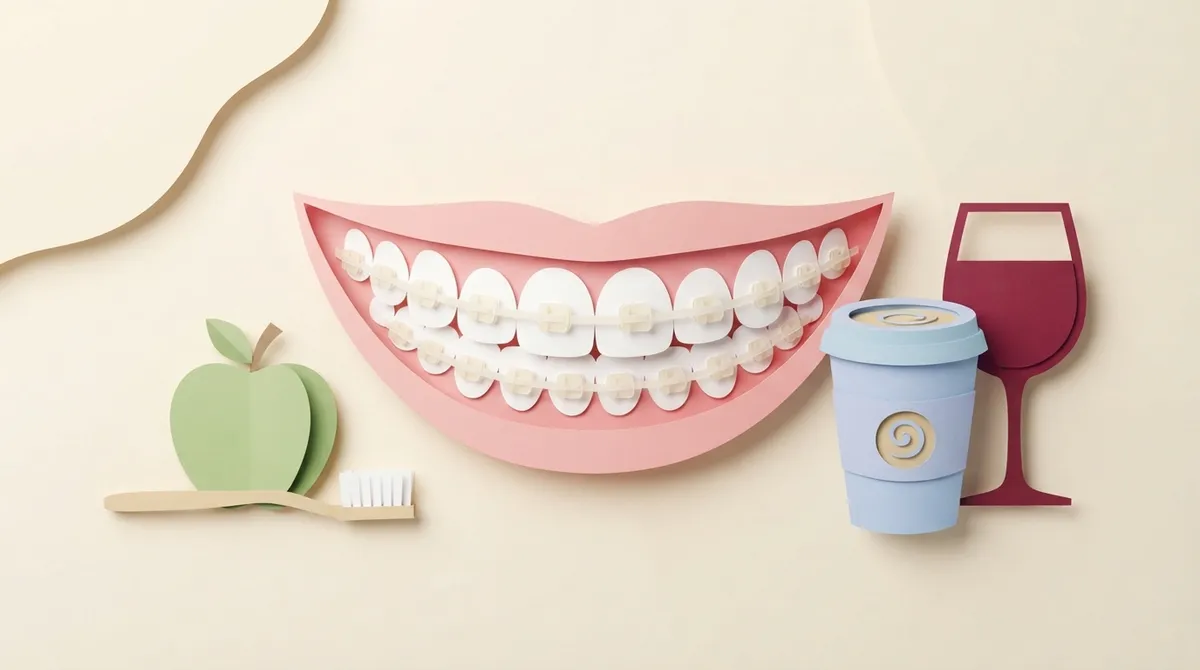
The brackets resist staining, but clear elastic ties can discolor, so brush after meals and rinse after coffee, tea, or red wine.
-
Ask for a full cost estimate covering adjustments, repairs, retainers, and follow-up care, since ceramic braces often cost more than metal and prices vary widely.
-
Ceramic braces may create more friction in lab studies, but treatment time depends on bracket design and your case, so ask for a personalized timeline after an exam.
Thinking about braces as an adult? You are in good company. More grown-ups than ever are asking how to straighten their teeth without feeling self-conscious in meetings, on video calls, or at family events. If that sounds like you, ceramic braces for adult patients may be worth a closer look.
Ceramic braces work much like traditional metal braces. The big difference is the look. The brackets are tooth-colored, so they blend in with your smile instead of standing out. The American Association of Orthodontists notes that healthy teeth can be moved at any age, and orthodontists treat adults all the time.
Still, ceramic braces are not perfect for everyone. They have real pros and a few trade-offs. In this guide, we will walk through how they work, who they suit, what to watch out for, and how they compare with other options. Think of it as a friendly chat before your first consultation.
What Are Ceramic Braces?
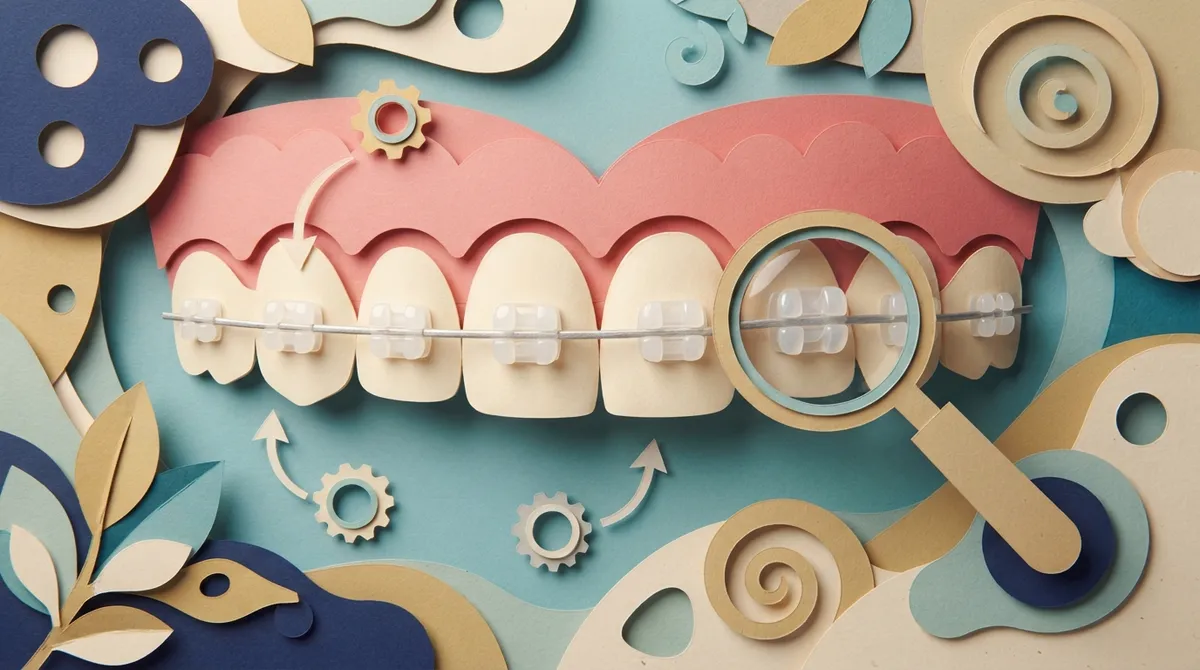
Ceramic braces are fixed braces. That means they are bonded to your teeth and stay in place until your orthodontist removes them. Each tooth gets a small bracket made of tooth-colored ceramic. A thin archwire runs through the brackets and gently guides your teeth into their new positions.
The tooth-moving approach is very similar to metal braces. Your orthodontist adjusts the wire over time, and your teeth shift bit by bit. The main change is appearance. Because the brackets are less noticeable, many adults feel more at ease wearing them during a busy work and social life.
If you want a deeper side-by-side look, our guide on metal vs ceramic braces breaks down the differences in plain language.

Why Adults Choose Ceramic Braces
Adults often have different reasons for seeking treatment than teens do. You may be preparing for a career move, a wedding, or simply a long-overdue change. Here are the reasons we hear most often:
- A more subtle look. Tooth-colored brackets are less conspicuous than metal ones.
- Proven, familiar technology. Fixed braces have a long track record for treating many alignment and bite concerns.
- No tray to remember. Unlike removable options, the braces work around the clock without you having to think about it.
- Room for complex cases. Fixed braces can handle many tooth movements, depending on your teeth and bite.
If you want to see how popular adult treatment has become, take a look at why so many adults are getting orthodontic treatment in 2026. And if you are wondering whether it is too late, the answer is usually no. Our article on 14 facts that prove adults can get braces is a great confidence boost.
What Can Ceramic Braces Treat?
Ceramic braces can address many common concerns, including crowding, gaps, and various bite problems. Whether they are the right fit depends on your teeth, your bite, your gum health, and your goals. An orthodontist needs to look at the full picture first.
One detail matters a lot here: your bite. In people with a deep bite, the lower teeth can bite into the back of the upper front teeth. Ceramic brackets are harder than enamel, so your orthodontist will want to check whether the brackets could touch the opposing teeth. In some cases, ceramic brackets may be used on only the upper teeth, or a different option may be a better fit. That is a decision for a careful exam, not a guess.
If you are curious about bite concerns, you may enjoy reading about how to fix an overbite in Clearwater and the difference between a deep bite and an overbite.
The Pros and Cons at a Glance
No treatment is perfect, so it helps to see the trade-offs side by side. Here is a quick comparison of ceramic and metal braces.
| Feature | Ceramic Braces | Metal Braces |
|---|---|---|
| Appearance | Tooth-colored, less noticeable | Silver, more visible |
| Bracket strength | More brittle, may chip or break more easily | Generally more durable |
| Staining | Brackets resist staining, but clear ties can discolor | Not an issue for the brackets |
| Friction with wire | Can be higher in lab studies | Generally lower |
| Hardness | Harder than enamel, so bite fit matters | Gentler on opposing teeth |
| Cost | May cost more | Often lower |
Costs and results vary by provider, location, and case. If you like the idea of a more discreet metal option, you may also want to read about rhodium braces.
Things to Know Before You Choose Ceramic Braces
We love a good, honest conversation. Here are the topics worth talking through with your orthodontist, so there are no surprises later.
Bracket Fragility
Ceramic brackets are generally more brittle than stainless-steel brackets. That means they may be more likely to chip or break. A broken bracket can require a repair visit and may slow your progress a little. Gentle habits go a long way. Skipping hard, sticky, and crunchy foods helps protect your brackets. Our tips on why braces brackets break and what to do are handy to keep on hand.
Staining and Discoloration
The ceramic brackets themselves are fairly resistant to staining. The small elastic ties that hold the wire in place are another story. Clear or tooth-colored ties can pick up color. A 2015 laboratory study tested 90 ceramic brackets in coffee, red wine, cola, or artificial saliva and reported color changes over time. That was an immersion test, so it does not tell us exactly what happens in a real mouth. Still, coffee and red wine fans may want to rinse after sipping and keep up with brushing. Our post on whether ceramic brackets stain goes into more detail.
Friction and Treatment Time
In laboratory studies, ceramic brackets can create more friction against archwires than metal brackets. Does that mean your treatment will always take longer? Not necessarily. The effect depends on the bracket design and your individual case. Anyone who promises an exact timeline without examining your teeth is guessing. For a realistic picture, see what decides braces treatment time.
Enamel Wear and Removal
Ceramic is harder than enamel. Research raises two concerns. One is wear on opposing teeth if the brackets touch them. The other is possible enamel damage when brackets are removed. A 2021 hospital-based study of 80 extracted premolars found that enamel-surface results varied depending on the removal method. An in-vitro study also reported more enamel abrasion from ceramic brackets than from stainless steel in a simulated mouth.
Here is the important part. These were laboratory findings. They do not show how often problems happen in everyday care. They do show why a careful bite check, proper bonding, and professional removal matter. This is one more reason to choose an orthodontic specialist for your treatment. See what makes a specialist orthodontist different.
How Ceramic Braces Compare With Other Options
Ceramic braces are just one door to a straighter smile. Many adults also weigh clear aligners and lingual braces. Here is how the choices stack up in general terms.
| Option | Visibility | Removable? | Good to know |
|---|---|---|---|
| Ceramic braces | Low | No | Fixed, works around the clock |
| Metal braces | Higher | No | Durable and often lower cost |
| Clear aligners | Very low | Yes | Needs consistent daily wear |
| Lingual braces | Very low | No | Placed behind the teeth |
At Brockway Orthodontics, we offer metal braces, ceramic braces, and Spark™ Clear Aligners, so you can compare your choices in one place. If you are leaning toward aligners, read which is right for you: clear aligners vs braces. You can also explore clear aligner options and how they differ from fixed appliances.
How Much Do Ceramic Braces Cost for Adults?
Ceramic braces may cost more than metal braces. Beyond that, we cannot give one number that fits everyone. Prices depend on your location, your provider, how complex your case is, and the type of appliance you choose.
When you ask for an estimate, request a full picture. A good estimate should include:
- The cost of the braces and the active treatment period
- Regular adjustment visits
- Repairs, such as a broken bracket
- Retainers after your braces come off
- Follow-up care once treatment ends
Many practices offer payment plans to spread out the cost. Our guide to ceramic braces cost factors helps you understand what shapes your price, and using dental insurance to help pay for braces may open up more savings.
Caring for Ceramic Braces Day to Day
Good daily habits protect both your braces and your smile. They also help keep those elastic ties looking fresh. Try these simple tips:
- Brush after meals, and take your time around each bracket.
- Floss daily with a floss threader or similar tool.
- Limit coffee, tea, red wine, and dark sodas, or rinse with water afterward.
- Avoid chewing ice, hard candy, and other brittle foods.
- Keep every adjustment appointment, even when work gets busy.
Need a refresher on technique? Our articles on how to brush teeth with braces and daily care vs dental visits for adult braces are full of practical advice. Healthy gums matter too, so see why gum health matters before adult braces.
What to Expect at Your First Visit
A great braces journey starts with a good conversation. At your first appointment, an orthodontist will look at your teeth, bite, and oral health. They will ask about your goals and how you feel about the look of different braces. They may take digital scans or 3D images to plan your care.
This visit is the right moment to ask the honest questions. Will ceramic brackets work on both your upper and lower teeth? How will your bite be protected? What will removal look like? You can learn more in your first orthodontist appointment: what to expect. Bringing a list of questions helps too, and 13 questions to ask at an orthodontic consultation is a good starting point.
A Warm, Personal Approach in Clearwater
Choosing an orthodontist is a big decision, and you deserve someone who listens. Dr. Brockway takes the time to hear your concerns and your hopes for your smile, so you feel comfortable and informed from start to finish. Our Clearwater practice uses modern tools such as digital impressions instead of messy molds and 3D imaging to plan your treatment with care. In certain cases, same-day treatment may be possible, which is a real help for busy schedules.
We treat the whole family, from teens to adults, and we love being part of the community. If you want to learn more about the person behind the practice, read about the Brockway orthodontist in Clearwater, FL. You can also see what neighbors say by visiting Brockway Orthodontics on Google.
For general guidance on oral health, the American Dental Association is a trusted resource, and the Florida Association of Orthodontists offers helpful information about orthodontic care in our state.
Is Ceramic the Right Choice for You?
Ceramic braces can be a lovely middle ground. They offer a less visible look than metal while still using the proven tooth-moving approach of fixed braces. They also come with trade-offs, including brittleness, possible staining of elastic ties, bite considerations, and often a higher price.
The best way to decide is to talk with an orthodontist who can check your bite and explain your options clearly. Your smile goals, your lifestyle, and your budget all matter. There is no pressure and no one-size-fits-all answer, just a plan that fits you.
Ready to take the first step? Book your appointment online and let us talk through your options in a relaxed, friendly setting. If you would rather chat first, you can contact us with any questions. We would love to help you smile with confidence in 2026 and beyond.
FAQs
Q: Are ceramic braces a good option for adults?
A: They can be a great fit for many adults who want a less noticeable look than metal braces. Suitability depends on your teeth, bite, gum health, and goals, so an orthodontist needs to examine you first. We are always happy to walk you through your options.
Q: Do ceramic braces take longer than metal braces?
A: Not always. Laboratory studies show ceramic brackets can create more friction against the wire, but the real effect depends on the bracket design and your individual case. Your orthodontist can give you a realistic estimate after a full exam.
Q: Do ceramic braces stain, and how can I keep them clean?
A: The brackets themselves resist staining fairly well, but the clear or tooth-colored elastic ties can discolor. Brushing after meals, rinsing after coffee or red wine, and keeping your appointments all help keep things looking fresh.
Q: Are ceramic braces more likely to break than metal braces?
A: Ceramic brackets are generally more brittle than stainless-steel ones, so they may chip or break more easily. Avoiding hard, sticky, and crunchy foods helps protect them, and a quick repair visit can fix a broken bracket.
Q: How much do ceramic braces cost for adults?
A: Ceramic braces may cost more than metal braces, but prices vary by location, provider, and case complexity. Ask for a personalized estimate that includes adjustments, repairs, retainers, and follow-up care so there are no surprises.
Our Service Area