Key Takeaways
-
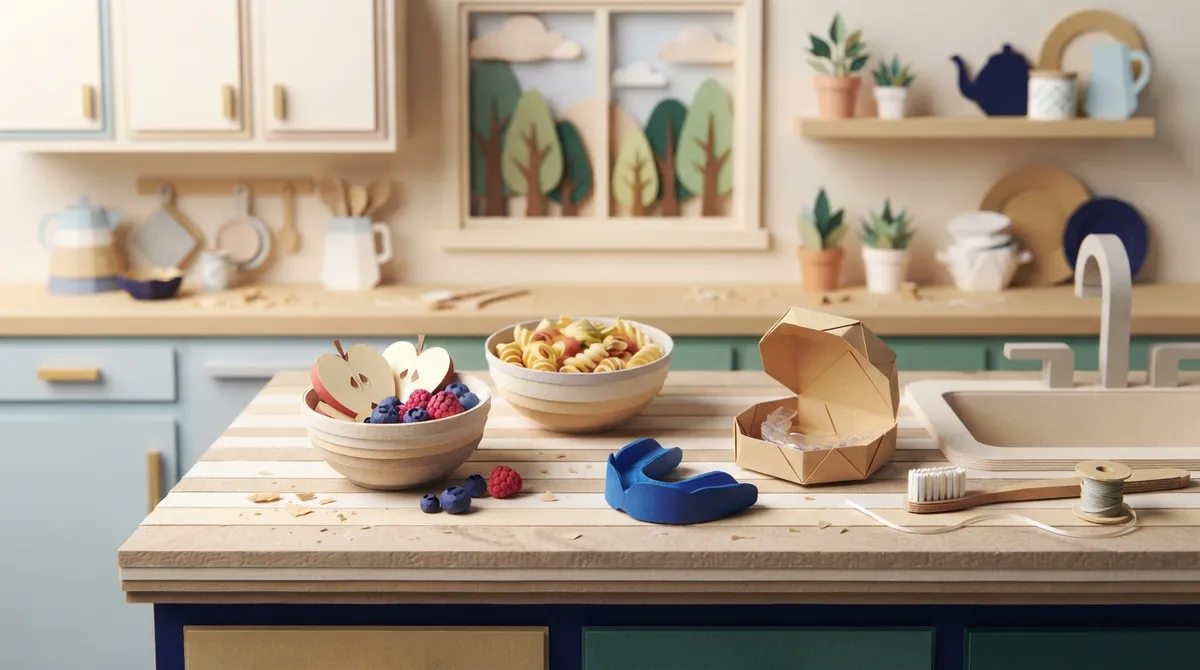
Cut hard foods like apples and carrots into small, bite-size pieces and chew with back teeth, since food is the top cause of popped brackets and bent wires.
-
Skip hard candy, ice, popcorn, caramel, and tough bagels, and swap in softer options like yogurt, berries, or pasta.
-
Brush at least twice daily with fluoride toothpaste, clean around brackets with an interdental brush, and floss daily with a threader or orthodontic flosser.
-
Always wear a mouthguard for contact sports, and ask your orthodontist which type fits over brackets, since regular boil-and-bite guards may not work well.
-
Store retainers and aligners in their case every time, never in a napkin, and rinse with cool or lukewarm water rather than hot water, which can warp plastic.
-
If a bracket loosens or wire breaks, call your orthodontic office promptly, use orthodontic wax on sharp spots, and never try to repair it yourself.
Getting braces or aligners is a big step. It is also a bit of a commitment! Your appliance is working around the clock to move your teeth into place, and a snapped wire or lost retainer can slow things down. The good news? Protecting your gear is easier than it sounds. This guide shows how teens can protect orthodontic appliances with simple habits that fit into real life, from the lunch table to the soccer field.
Whether you wear metal braces, ceramic braces, clear aligners, or a retainer, a few small choices each day make a huge difference. Think of it like taking care of a new phone. A little care up front saves you a lot of hassle later. Parents, you are part of the team too, so we have included tips just for you.
At Brockway Orthodontics in Clearwater, Florida, we love helping teens finish treatment on time with healthy, happy smiles. Let’s walk through exactly what works.
Why Protecting Your Appliance Matters
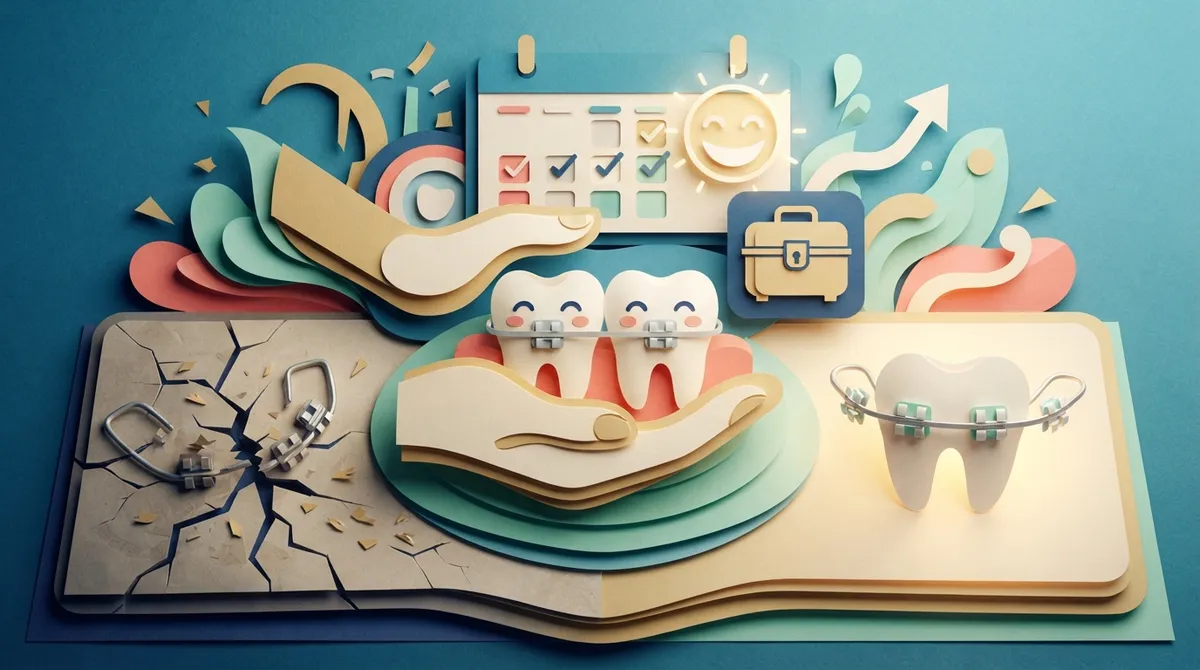
Your orthodontic appliance only works well when it stays intact and in the right place. A bent wire or loose bracket cannot guide your teeth properly. When something breaks, treatment can take longer. One hospital orthodontic leaflet notes that a broken brace may add about two months to treatment, though that is a local estimate and not a promise for every patient.
Protecting your appliance also protects your teeth and gums. Food trapped around brackets can lead to stains and cavities. Taking care of your gear and your mouth go hand in hand.
- Faster results: Fewer breaks mean fewer delays.
- Fewer emergency trips: More time for school, sports, and friends.
- Healthier teeth: Clean braces mean a clean smile when they come off.
- Lower stress: Good habits become automatic fast.
Know Which Foods Can Damage Braces
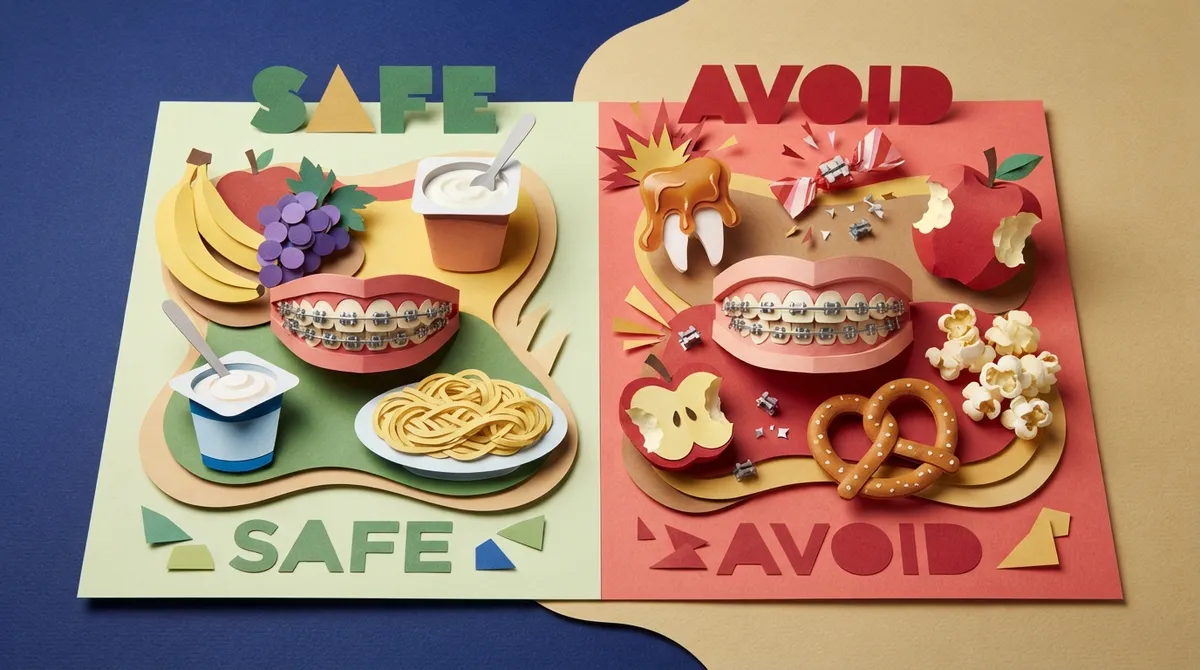
Food is the number one reason brackets pop off and wires bend. Hard, crunchy, sticky, and chewy foods put extra force on your braces. You do not have to give up all your favorites. You just need to know which ones to skip or change.
Cut firm foods like apples and carrots into small, bite-size pieces. Chew them with your back teeth instead of biting straight in with your front teeth. This one trick protects your brackets more than almost anything else. If you want snack ideas, check out our list of braces-friendly snacks for sports practice.
| Food Type | Examples | Safer Swap |
|---|---|---|
| Hard | Hard candy, ice, nuts, popcorn kernels | Soft chocolate, yogurt, smoothies |
| Crunchy | Chips, hard pretzels, raw carrots | Steamed or cooked veggies, soft crackers |
| Sticky | Caramel, taffy, gummy candy | Fresh berries, pudding |
| Chewy | Bagels, tough jerky, hard crusty bread | Soft bread, tender chicken, pasta |
| Bite-into foods | Whole apples, corn on the cob | Sliced apples, corn cut off the cob |
Ice deserves its own warning. It feels harmless, but it is hard and cold, and it can crack brackets. Learn more in our article on why chewing ice can damage braces. For a full rundown, see our friendly food guide for braces.
Break the Habits That Break Braces
Some of the worst damage comes from habits you barely notice. The good news is that habits can be changed with a little awareness.
- Do not chew pens, pencils, or fingernails. They bend wires and loosen brackets.
- Do not use your teeth as tools. Opening packages, bottles, or tags with your teeth is risky.
- Do not poke at your braces with your tongue or fingers all day.
- Do not skip your elastics if your orthodontist gave them to you. Wear them as instructed.
If you tend to chew on pens during tests, keep sugar-free gum on hand if your orthodontist approves it, or try a fidget toy. Small swaps help break the habit. Elastics can be confusing at first, so read about common rubber band mistakes that slow your braces to stay on track.
Keep Your Teeth and Appliance Clean
A clean mouth protects your appliance and your smile. Plaque builds up fast around brackets and wires. If it stays there, it can cause white spots and cavities that show up when your braces come off.
A Simple Daily Cleaning Routine
- Brush at least twice a day with fluoride toothpaste for two minutes. Brush after meals when you can.
- Angle your brush toward the gumline, then clean above and below the brackets.
- Use an interdental or single-tuft brush to clean around brackets and under the wires.
- Floss daily with a floss threader or orthodontic flossers.
- Rinse well and check your teeth in the mirror for leftover food.
NHS guidance recommends brushing with fluoride toothpaste in the morning, at night, and after meals, plus using an interdental brush daily while wearing braces. If you need a refresher, our guide on how to brush teeth with braces walks you through each step, and these common brushing mistakes are easy to fix.
School days can be tricky. Keep a small kit in your backpack with a travel toothbrush, mini toothpaste, floss threaders, and orthodontic wax. Our tips for managing braces care between classes make it simple.
Watch What You Drink
Drinks matter too. Sugary and acidic drinks can harm enamel, and braces give sugar more places to hide. Fizzy drinks, including sugar-free ones, can be acidic and may weaken enamel. Sports drinks and energy drinks can also be hard on teeth.
Water is your best friend. Sip it between meals and swish after snacks if you cannot brush right away. Limit sugary foods and drinks, especially between meals, and follow any specific diet advice from your orthodontist. If you wear clear aligners, remember that you should take them out before drinking anything except water, and hot drinks can warp the plastic. Learn more about why hot water can damage clear aligners.
Protect Your Braces During Sports and Activities
If you play basketball, soccer, football, lacrosse, or any sport where a ball or elbow could hit your face, a mouthguard is a must. Without one, an impact can cut your lips and cheeks against your brackets and damage your appliance.
Ask your orthodontist which mouthguard is right for you. Regular boil-and-bite guards are not always the best fit with braces, and some patients need a type designed to fit over brackets. Removable appliances may need to come out for sports, depending on the instructions you were given.
Musicians, this applies to you as well. If you play a brass or woodwind instrument, braces can feel strange at first. A few small adjustments help, and our guide on playing a musical instrument with braces covers what to expect.
Take Care of Aligners and Retainers
Removable appliances are easy to lose or break. Most retainers get lost in lunch trays, napkins, or pockets. The fix is simple: always use the case.
Smart Storage Rules
- Case first, always. When your retainer or aligner is out, it goes straight into its protective case.
- Never wrap it in a napkin. This is the most common way they end up in the trash.
- Keep it away from pets. Dogs love the smell of retainers.
- Skip hot water. Hot water can warp plastic appliances. Use cool or lukewarm water.
Clean your removable appliance as directed by your orthodontist, usually with a soft brush and mild soap or a recommended cleaner. Our guides on how to care for your dental retainer and how to clean clear retainers make it easy. If you lose yours, do not panic. Read what to do next when you lose a retainer.
Brockway Orthodontics offers Spark™ Clear Aligners, which many teens love because they come out for eating and brushing. That freedom comes with responsibility: wear them as directed and store them safely every time.
What to Do If Something Breaks
Even careful teens have mishaps. A bracket may come loose, or a wire may poke your cheek. What matters is how you respond.
- Stay calm. Most problems are not true emergencies.
- Do not try to fix it yourself. Never cut, bend, or glue parts at home.
- Cover sharp spots with orthodontic wax for temporary relief.
- Call the orthodontic office promptly. Describe what happened so the team can advise you.
- Keep any loose pieces and bring them to your visit.
Seek urgent care for significant injury, uncontrolled bleeding, or severe pain. Not sure what counts as an emergency? See when you need an emergency orthodontist appointment and learn whether a broken bracket or poking wire is the bigger issue.
Do Not Skip Appointments and Checkups
Regular visits keep your treatment moving and let your orthodontist catch small problems early. Missing appointments can lead to delays and more repairs. Treatment goes best when you show up on schedule.
You also still need regular dental checkups and cleanings while in treatment. Your dentist handles cavities and gum health, while your orthodontist handles tooth movement. Learn more about why orthodontic checkups matter so much and how dentist and orthodontist visits work together.
Curious about what to ask? Our list of 12 questions teens should ask their orthodontist is a great starting point. For general standards in oral care, the American Dental Association is a trusted resource.
Tips for Parents Supporting a Teen With Braces
Parents, you do not need to hover. A little support goes a long way. Stock the pantry with braces-friendly snacks, keep a spare toothbrush in the car, and remind your teen about the retainer case. Praise good habits instead of nagging about mistakes.
Our article on ways parents can support teen oral hygiene with braces offers more ideas. And if you are comparing treatment options, see how parents and teens can decide between braces and aligners.
A Quick Daily Checklist for Teens
- Brush morning and night, plus after meals when possible
- Floss or use an interdental brush once a day
- Cut hard foods into small pieces and skip sticky ones
- Wear a mouthguard for sports
- Store removable appliances in their case
- Wear elastics and aligners as directed
- Call the office promptly if something feels loose or broken
Wrap-Up: Small Habits, Big Results
Protecting your appliance does not take perfection. It takes steady, simple habits: smart food choices, daily cleaning, a good mouthguard, safe storage, and quick calls when something goes wrong. Do these things, and you will likely finish treatment smoothly and show off a healthy smile you are proud of.
Every teen’s treatment is a little different, so always follow your own orthodontist’s instructions first. If you are in the Clearwater area and want expert, friendly guidance, Dr. Brockway and our team are here to help. You can read what patients say by visiting Brockway Orthodontics on Google.
Ready to take the next step toward a confident smile? Book your free consultation online today, or contact our team with any questions.
FAQs
Q: What foods should teens avoid with braces?
A: Skip hard, crunchy, sticky, and chewy foods like hard candy, ice, caramel, popcorn, and tough bagels. They can bend wires or pop brackets loose. Cut firm foods such as apples and carrots into small pieces and chew with your back teeth.
Q: What should a teen do if a bracket comes loose or a wire breaks?
A: Stay calm and call your orthodontic office right away instead of trying to fix it yourself. You can cover a sharp or irritating spot with orthodontic wax for temporary relief. Head for urgent care if you have a serious injury, uncontrolled bleeding, or severe pain.
Q: What kind of mouthguard should a teen with braces wear for sports?
A: Ask your orthodontist which mouthguard fits your braces best, since not every type works well over brackets. Wear one for any contact sport or activity where your mouth could get hit. If you have a removable appliance, follow your orthodontist’s instructions on whether to take it out during play.
Q: How should a teen store and clean a retainer or removable appliance?
A: Always put it in its protective case when it is out, never in a napkin, pocket, or loose in a bag. Clean it as your orthodontist directs, and skip hot water because it can warp some plastic appliances. Using the case every time is the easiest way to avoid losing or breaking it.
Q: Do teens still need regular dental checkups during orthodontic treatment?
A: Yes, they do! Your dentist keeps an eye on cavities and gum health while your orthodontist guides tooth movement. Keeping both sets of visits on your calendar helps your smile stay healthy from start to finish.
Our Service Area