Key Takeaways
-
Yes, braces treatment plans can change during treatment; they are a starting roadmap that orthodontists adjust as your teeth and bite respond, and this is far more common than most patients expect.
-
Routine adjustments like wire changes, new elastics, or swapped bands happen at nearly every visit and usually don't affect your timeline or cost, while major plan revisions may change goals, duration, or fees.
-
Common reasons for plan changes include teeth moving faster or slower than expected, jaw growth in kids and teens, hidden bite issues revealed mid-treatment, and new dental or gum concerns.
-
Your habits matter: missed appointments, broken brackets, and skipped elastics are among the biggest causes of delays, so tell your orthodontist promptly when something goes wrong.
-
When your orthodontist suggests a change, ask why it's needed, what will be different, what alternatives exist, and how it affects your finish date and cost, and request cost changes in writing.
-
The American Association of Orthodontists notes most people wear braces about 12 to 24 months, and regular checkups help catch issues like root resorption early.
You sat down at your first appointment, heard a timeline, and maybe even circled a finish date on the calendar. Then, months later, your orthodontist says something like, “Let’s tweak the plan.” Wait, what? Can braces treatment plans change? Take a deep breath, because the short answer is yes, and it is far more common than you might think.
A braces plan is a smart starting roadmap, not a locked contract. Teeth are living structures in a growing, changing body, and they do not always follow a script. In this friendly guide, you will learn why plans change, how to tell a small tweak from a big shift, and exactly what to ask when your orthodontist suggests an update. Whether you are a parent juggling a teen’s schedule, an adult professional with a packed calendar, or someone returning for retreatment, you will walk away feeling calm, informed, and ready to be a great partner in your own care.

Can Braces Treatment Plans Change After You Start?
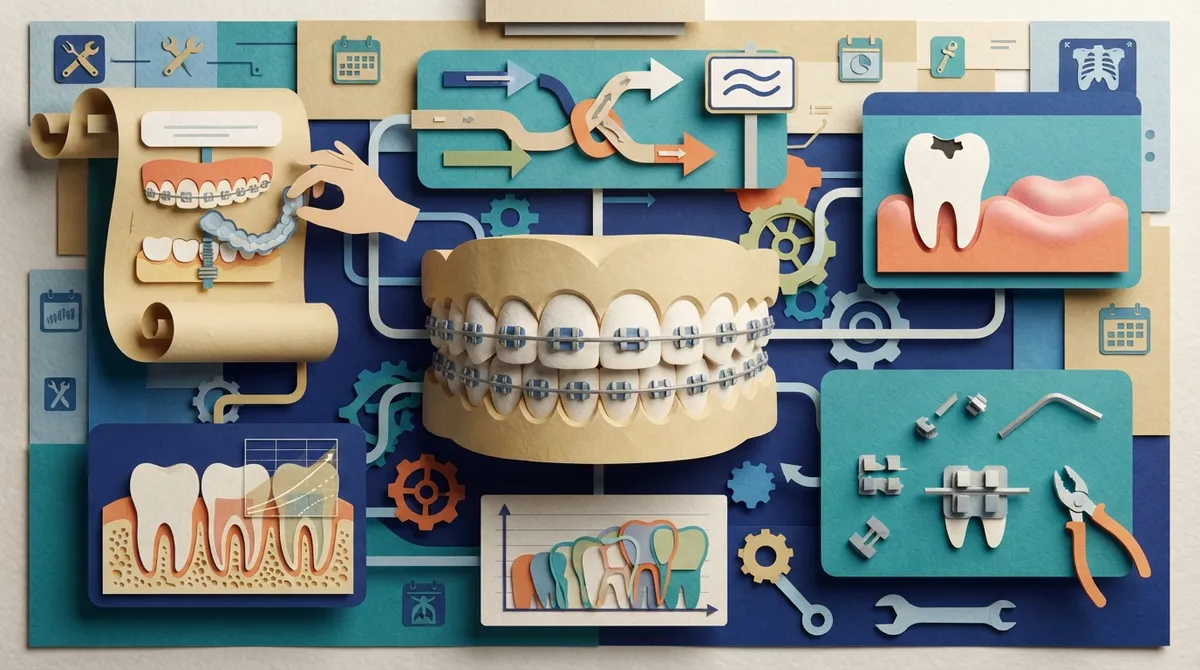
Yes. An orthodontist can revise your plan as treatment moves forward. Your initial plan is built from your exam, photos, scans, and X-rays. Once braces go on, your orthodontist watches how your teeth and bite actually respond, then adjusts as needed.
It helps to separate two things:
- Routine adjustments: Changing wires, adding elastics, or swapping bands. These happen at nearly every visit and are simply part of treatment.
- Plan changes: A shift in the overall approach, such as a new appliance, a different goal, or a revised timeline.
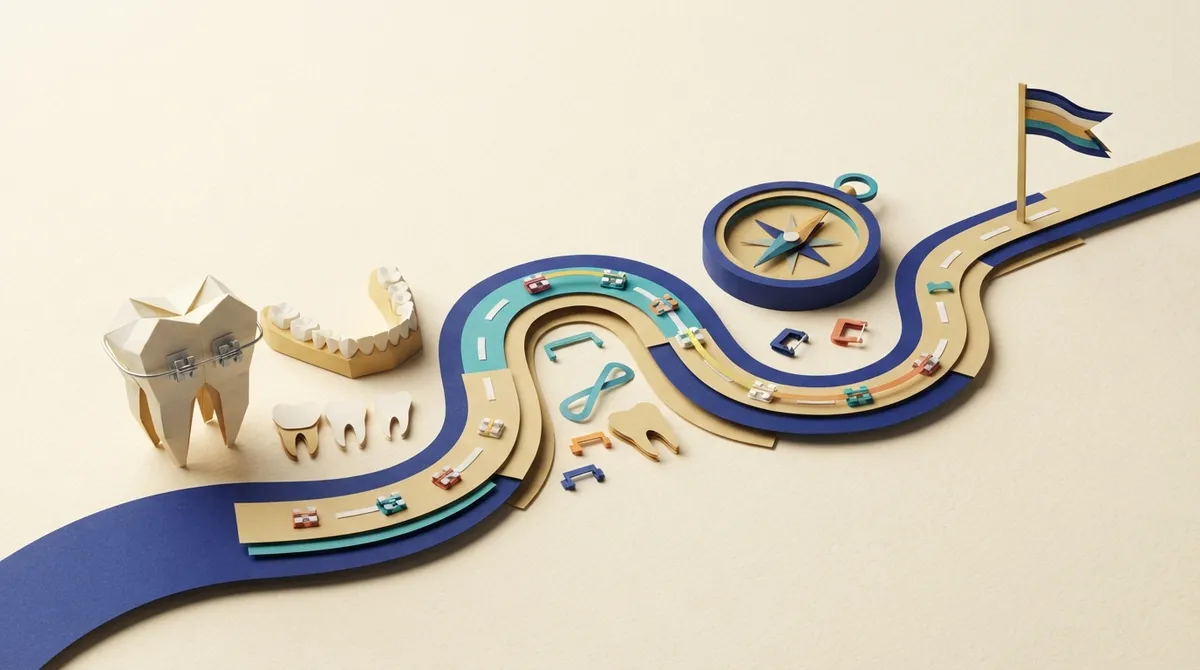
Think of it like using a GPS. You enter a destination and get an estimated arrival time. If there is traffic or a road closure, the GPS reroutes you. You still reach the destination, but the path or timing may look a little different. That is not failure. That is smart navigation.
Why Do Braces Treatment Plans Change?
There are many reasons an orthodontist might update your plan. Most are completely normal and have nothing to do with anything you did wrong.
Your Teeth Move Faster or Slower Than Expected
Every mouth responds differently. Some teeth glide into place quickly. Others take their sweet time. When movement runs ahead of schedule, your orthodontist may shorten the timeline or move to finishing steps sooner. When it runs behind, extra time or a new technique may help.
New Details Become Clear During Treatment
Some things are hard to see at the very start. As teeth shift, your orthodontist may get a clearer view of root positions or how your bite really fits together. That new information can lead to a smarter plan. If you want to understand how these details are first mapped, see how orthodontists plan tooth movement.
Jaw Growth Changes the Picture
This is a big one for kids and teens. Growing jaws can shift how the bite develops, which may call for new mechanics. Parents who want more background can explore how growth affects a teenager’s orthodontic plan.
An Issue Was Not Fully Visible at the Start
Sometimes a concern, such as a bite change, shows itself only after treatment begins. Your bite can also change as teeth move, which is why it helps to read about reasons your bite changes during orthodontic treatment.
A Dental or Health Concern Pops Up
Gum irritation, a new cavity, or another oral health issue may lead your orthodontist to pause, modify, or reorder treatment. Healthy teeth and gums come first. If you want to know why this matters, take a look at why cavities need attention before orthodontic treatment.
Small Tweaks vs. Big Changes: How to Tell the Difference
Not every change is a big deal. Here is a quick way to sort what you might hear at your appointment.
| Type of Change | What It Might Look Like | Typical Impact |
|---|---|---|
| Routine adjustment | New wire, fresh elastics, new bands | Usually none; part of normal care |
| Minor plan tweak | Adjusting timing, adding a short phase | May shift your finish date slightly |
| Appliance change | Adding elastics, a new device, or a different bracket approach | May affect comfort and timeline |
| Major plan revision | New treatment goals or a different way to correct the bite | Could affect timeline, steps, and cost |
A change does not mean treatment has failed. Often it is a small nudge in timing or mechanics. Even when the change is bigger, it usually exists to give you a healthier, more stable result.
How Your Own Habits Can Shape the Plan
Here is the friendly truth: you are a teammate in this process. Your daily habits can speed things up or slow them down, and that can influence whether your plan needs adjusting.
- Missed appointments: Gaps between visits can stall progress. If you slip, read what to do after a missed orthodontist appointment.
- Broken brackets or wires: A loose piece cannot move teeth the way it should. Learn how bracket mistakes slow your progress.
- Elastics (rubber bands): Skipping them is one of the biggest causes of delays. Here are common rubber band mistakes to avoid.
- Oral hygiene: Plaque buildup can irritate gums and complicate treatment. Brushing well helps everything run smoothly.
If you have ever felt guilty about a slip, relax. Nearly every braces patient has had a hiccup. The important thing is to tell your orthodontist so the team can adapt instead of guessing.
When a Plan Change Involves Your Dental Health
Sometimes a change has little to do with tooth speed and everything to do with health. Gum or tooth problems can lead your orthodontist to pause braces, treat the issue, and restart.
Root resorption is one possible complication that may prompt a closer look. This is when the tips of tooth roots shorten slightly during movement. Research on orthodontic side effects suggests orthodontists may consider progress X-rays around 6 to 12 months after treatment starts to check for it, though imaging schedules should be personalized by your orthodontist. If it is found, the response depends on how severe it is and your individual case. Many times it simply means a pause or a gentler approach.
This is exactly why regular checkups matter so much. Want to see why? Read why orthodontic checkups matter so much.
How Long Does Braces Treatment Usually Take?
The American Association of Orthodontists says many people wear braces for about 12 to 24 months. Your own timeline can be shorter or longer depending on how complex your case is and how your teeth respond. The AAO also notes that adjustment visits typically happen every 4 to 12 weeks, depending on your stage of treatment.
So if your timeline stretches a bit, you are in good company. To dig deeper into the factors involved, check out why braces treatment may take longer than expected and 12 factors that shape your braces timeline.
Step-by-Step: What to Do When Your Orthodontist Suggests a Change
Hearing “we need to update the plan” can feel surprising. Here is a simple, stress-free way to handle it.
- Stay calm and listen first. Let your orthodontist finish explaining before you react. Most changes are routine refinements.
- Ask why the change is needed. You deserve a clear reason, whether it is tooth response, bite findings, growth, or a health concern.
- Ask what changes in practice. Will your appliances, timeline, or goals shift? Will you need new elastics or extra visits?
- Ask about alternatives. There may be more than one way to reach your goal. Understand the trade-offs of each.
- Ask about timeline and cost. A significant change may affect how long treatment lasts and what you pay. Get it in writing if it does.
- Take a moment to decide. For bigger changes, it is fine to think it over and ask follow-up questions before agreeing.
- Follow the new instructions closely. Your updated plan works best when you and your orthodontist are on the same page.
Smart Questions to Ask Your Orthodontist
Come prepared with questions. This keeps you in the driver’s seat and builds trust. Here are some great ones:
- What exactly changed since my original plan?
- Is this a small adjustment or a major revision?
- How will this affect my finish date?
- Will my cost change, and by how much?
- Are there other options, and what are the risks and benefits of each?
- What do I need to do differently at home?
- What signs should I report right away?
Parents may also like these questions teens should ask their orthodontist, which work well for any age.
Will Changing My Plan Cost More?
It depends. Many routine tweaks add no cost at all. A major change, such as a longer treatment time or a new appliance, may affect the fee. The best approach is to ask before agreeing, and to request a clear explanation in writing. To learn how time and complexity can shape fees, see how treatment length affects orthodontic costs and how treatment complexity affects orthodontic fees.
Tips for Different Patients
For Parents of Kids and Teens
Growth is the wild card. A plan that fits at age 11 may need a refresh at 13. Keep appointments steady and help your child with elastics and cleaning. Our guide on how parents can help kids build appliance care habits can make this easier.
For Teens and Young Adults
Big events like prom, graduation, or a trip can tempt you to rush. Be honest with your orthodontist about your goals. A realistic plan beats a rushed one every time.
For Adult Professionals
Busy schedules lead to missed visits, and missed visits can nudge timelines. Book appointments well in advance and ask about options that fit your calendar.
For Retreatment and Relapse Patients
If you had braces before and your teeth have shifted, your plan may need careful updates as your orthodontist learns how your teeth respond now. Learn the warning signs in orthodontic relapse warning signs.
For Health-Conscious Patients
If you have gum concerns or complex dental needs, plan changes may be more likely, and that is okay. Your orthodontist may coordinate with your dentist to keep everything healthy. See how to coordinate care between your orthodontist and dentist.
How You Can Keep Treatment on Track
You cannot control every twist, but you can stack the odds in your favor. Here are simple habits that help:
- Attend every scheduled visit.
- Wear elastics exactly as directed.
- Brush and floss daily so gums stay healthy.
- Avoid hard or sticky foods that can break brackets.
- Call early if something breaks or hurts.
For help with the daily routine, try how to brush teeth with braces. And remember, only your treating orthodontist can decide whether your plan should change. Online advice is helpful for learning, but your own exam is what counts.
Why Choose a Practice That Explains Every Step
When your plan changes, communication is everything. At Brockway Orthodontics in Clearwater, Florida, Dr. Brockway takes the time to listen, explain, and make sure you feel comfortable and informed from start to finish. The practice uses modern tools like digital impressions and 3D imaging so plans are precise from day one, and every family member gets friendly, easy-to-follow guidance. Whether you choose metal braces, ceramic braces, or Spark™ Clear Aligners, you will always know what to expect and why. You can also visit us on Google — Brockway Orthodontics to see what local families say about their experience.
You can also learn more about professional standards from the American Dental Association and find orthodontic resources through the Florida Association of Orthodontists.
The Takeaway: A Changed Plan Is Often a Smarter Plan
So, can braces treatment plans change? Absolutely, and that flexibility is often a sign of careful, attentive care. Teeth respond in their own way, bodies grow, and life happens. A good orthodontist watches closely, adapts, and explains every step so you stay confident and informed.
If you are wondering whether your own plan needs a second look, or you want to start your journey with a team that communicates clearly, we would love to meet you. Book your free consultation online or contact us with your questions. Your best smile is a team effort, and we are happy to be on your team.
FAQs
Q: Can my orthodontist change my braces treatment plan after treatment has started?
A: Yes, and it happens more often than most people expect. Your orthodontist watches how your teeth and bite respond, then updates the plan if needed. Small tweaks are routine, while bigger changes should come with a clear explanation.
Q: Is it normal for braces treatment to take longer than originally estimated?
A: It is quite common. Many patients wear braces for about 12 to 24 months, but complex cases and individual response can make it shorter or longer. Missed visits, broken brackets, or skipped elastics can also stretch the timeline.
Q: Can missed appointments or not wearing elastics change my braces plan?
A: They sure can. Those habits can slow progress and may call for a longer timeline or a slightly different approach. The good news is that being honest with your orthodontist helps the team adjust quickly.
Q: Will changing my braces treatment plan increase the cost?
A: Not always. Routine adjustments usually do not affect cost, but a major change in time or appliances might. Always ask about any cost impact before agreeing, and request the details in writing.
Q: What should I ask if my orthodontist recommends changing my plan?
A: Ask why the change is needed, what will be different, and what your options are. Also ask how it affects your finish date and cost. A friendly, clear conversation helps you feel confident about the next step.
Our Service Area