Key Takeaways
-
Braces treat a broader range of complex bite and alignment problems, while clear aligners work well for many cases but may be less predictable for rotated teeth or complex bites.
-
Clear aligners must be worn about 22 hours a day, so they suit disciplined patients; braces work around the clock whether or not you remember them.
-
Aligners are nearly invisible and easier to clean since you remove them to brush and floss, while braces require careful cleaning around brackets and wires.
-
No citywide price exists in Clearwater; local estimates range roughly $3,000 to $6,500, so request a written, all-inclusive quote covering records, adjustments, refinements, and retainers.
-
Avoid hard, sticky, and chewy foods with braces, but with aligners you simply remove the trays to eat, then brush before reinserting them.
-
Retainers are needed after either treatment to keep teeth from drifting back, and only an in-person orthodontic exam can determine which option fits your teeth and bite.
Picking between braces and clear aligners can feel like choosing between two good flavors of ice cream. Both can give you a straighter, healthier smile, but they work in very different ways. If you live in the Clearwater area, you have likely seen ads, heard friends compare notes, or searched online for a quick answer. The truth? The best choice depends on your teeth, your bite, and your daily life.
This Clearwater braces and aligners comparison walks you through the real differences, in plain language. We cover how each option works, what it feels like, how much care it needs, and what to expect on cost. Whether you are a parent helping a teen decide, a busy professional who wants something discreet, or an adult returning for a second round of treatment, you will find helpful, honest answers here.
One note before we start: no article can pick the right treatment for you. Only an exam can do that. Think of this guide as your friendly starting point.
How Do Braces and Clear Aligners Actually Work?
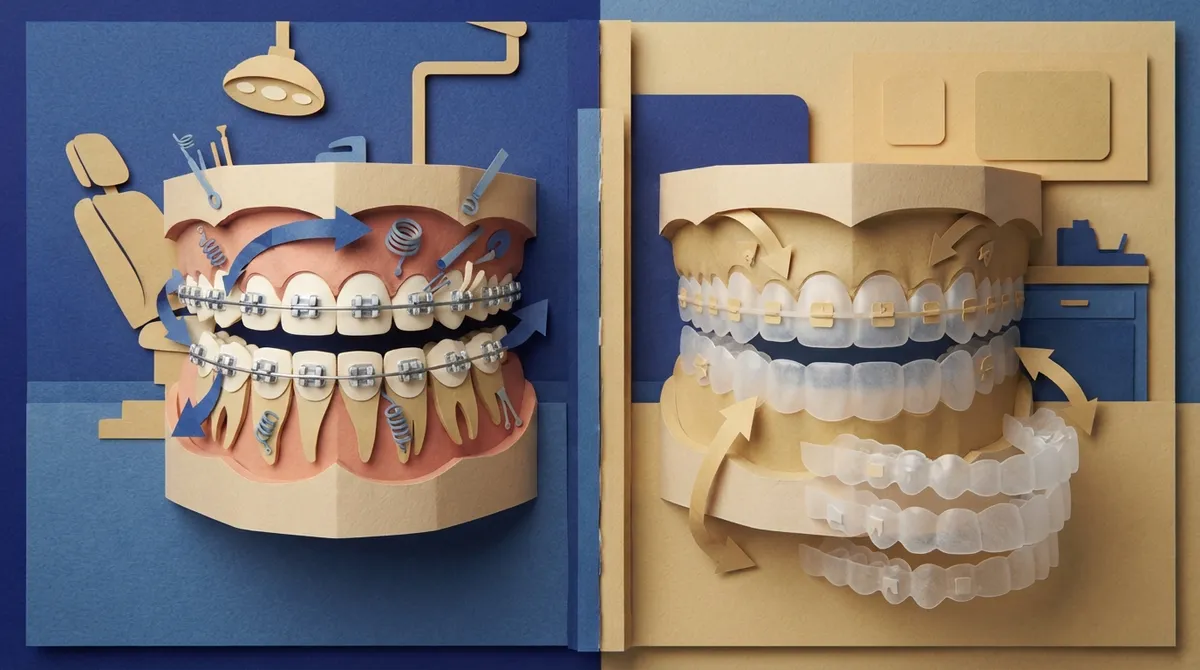
Both treatments use gentle, steady pressure to move teeth into better positions. The difference is how that pressure is delivered.
Braces: The Fixed Option
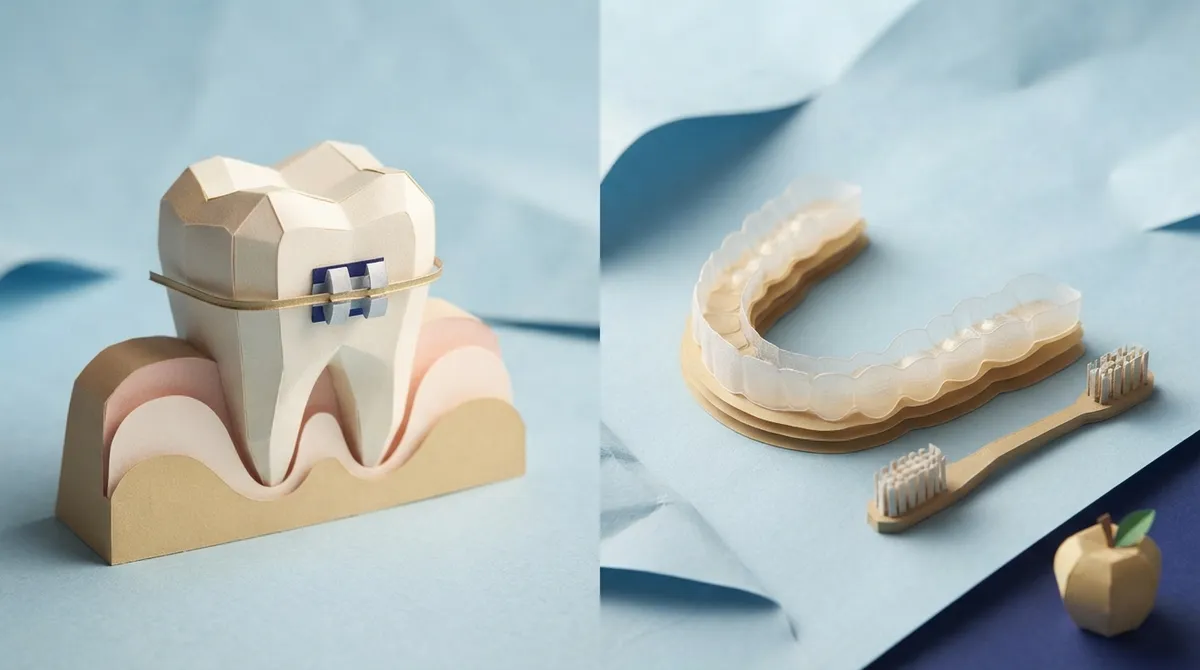
Braces use brackets bonded to your teeth and a wire that connects them. Your orthodontist adjusts the wire over time to guide each tooth. Brackets come in metal or ceramic (clear or tooth-colored). Because braces stay on 24/7, they work whether you remember them or not. If you want a deeper look at the parts, our guide on 5 types of braces available for every smile is a great read.
Clear Aligners: The Removable Option
Clear aligners are custom-made plastic trays. You wear each set for a short period, then move to the next set, which is shaped slightly differently. Each step nudges your teeth a little further. You can learn more in How Do Removable Aligners Straighten Teeth in 2026?
At Brockway Orthodontics, we offer both metal and ceramic braces, along with Spark™ Clear Aligners, a more affordable alternative to Invisalign. That means we can help you compare options without pushing you toward just one.
Braces vs. Aligners at a Glance
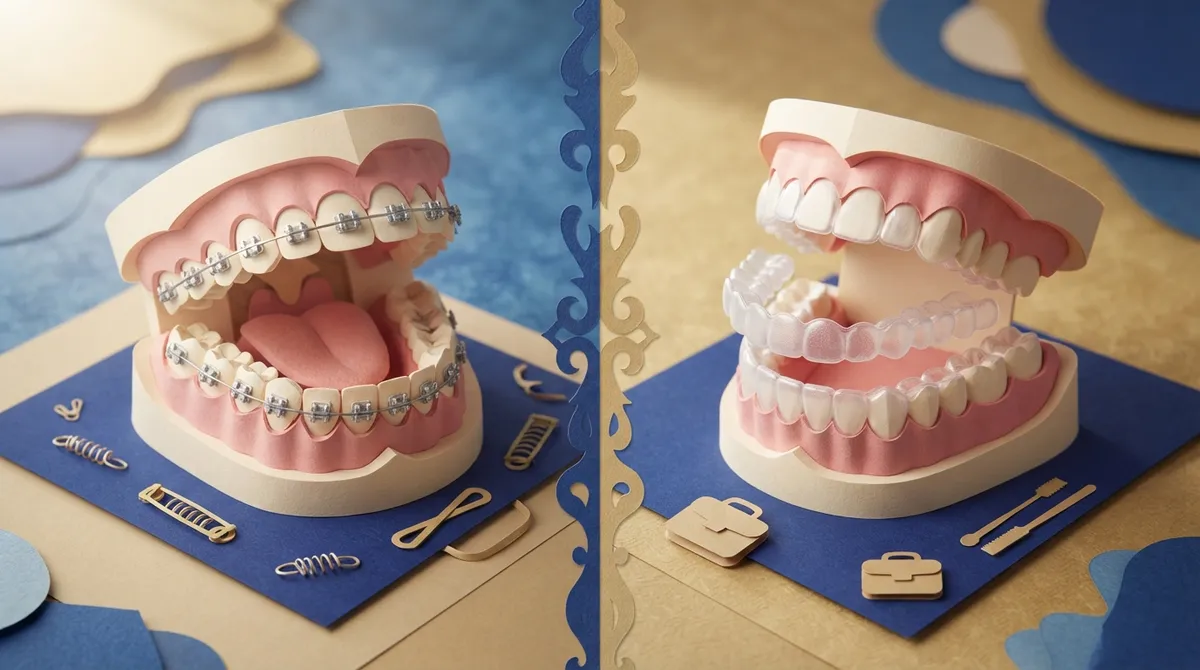
Here is a quick side-by-side look at the main trade-offs for Clearwater patients.
| Feature | Braces | Clear Aligners |
|---|---|---|
| Type | Fixed brackets and wires | Removable custom trays |
| Visibility | Noticeable (metal) or less visible (ceramic) | Nearly invisible |
| Treatment scope | Broad range, including many complex cases | Best for suitable cases; some complex issues may need braces |
| Eating | Avoid hard, sticky, chewy foods | Remove trays to eat |
| Cleaning | Brush and floss around brackets and wires | Brush and floss normally; clean trays |
| Patient effort | Low; always on | High; must wear about 22 hours a day |
| Possible discomfort | Cheek and lip irritation, soreness after adjustments | Tightness when starting a new tray |
What Can Each Option Treat?
This is the biggest question, and it matters more than looks. Braces can treat a very wide range of orthodontic problems, including many complex bite and alignment issues. Clear aligners work well for many cases, but whether they are right for you depends on the exact tooth movements you need.
Some problems may be treated more predictably with braces, or with a combined approach. Common concerns include:
- Crowded teeth: Both options can help, depending on how severe the crowding is.
- Gaps and spacing: Often a good fit for aligners. See Braces vs. Aligners: Which Wins for Teeth Gap Closure?
- Overbite, underbite, and crossbite: Many can be treated with either, but complex bite problems may favor braces.
- Rotated teeth: Can be harder to correct predictably with aligners alone.
If you are curious about bite issues, you might enjoy How to Fix an Overbite in Clearwater the Smart Way.
How Do They Compare for Looks and Confidence?
Let’s be honest: looks matter, especially for teens and young adults facing graduations, big events, or a new job. Clear aligners are the most discreet choice. Most people will not notice them unless you point them out.
Braces are more visible, but they are not the bulky metal mouths of the past. Ceramic brackets blend in with your teeth, and some people even enjoy adding colors to metal braces. Curious about discreet metal options? Take a look at Rhodium Braces: A Discreet Metal Braces Option, or compare materials in Metal vs Ceramic Braces: Which Is Right for You?
The goal is a smile you feel proud of, so choose the look that fits your personality and your schedule.
What Is Daily Life Like With Each One?
Eating and Drinking
With braces, you will need to skip hard, sticky, and chewy foods that can bend wires or pop brackets. Think caramel, hard candy, and ice. With aligners, you take the trays out to eat, so you can enjoy most foods. Just brush your teeth before putting the trays back in. Also avoid sugary or acidic drinks while the trays are in.
Need snack ideas? Check out What Can You Eat With Braces? Your Friendly Food Guide.
Brushing and Flossing
Braces take a bit more patience. Food can hide around brackets, so a careful routine is key. Our tips in How to Brush Teeth With Braces and Keep Your Smile Healthy can help. Aligners are easier on this front because you remove them to clean your teeth as usual.
Comfort
Both options can cause some soreness as teeth move. That is normal and usually fades in a few days. Braces may rub your cheeks or lips at first, and wax helps a lot. Aligners can feel tight when you switch to a new tray. For more on what to expect, read 6 Truths About Braces Pain Every Patient Should Know.
Which One Needs More Self-Discipline?
This is where honesty really pays off. Aligners only work if you wear them. The American Association of Orthodontists notes that aligners are typically worn at least 22 hours a day, removed only for meals and cleaning. A new set is often worn for about one week, though your orthodontist sets the exact schedule.
If you tend to forget things, lose retainers, or leave trays in a napkin at lunch, braces may suit you better. They do their job around the clock. If you are organized and motivated, aligners can fit beautifully into your life. Parents of teens may want to read 5 Mistakes Parents Make Choosing Braces or Aligners for Teens.
How Much Do Braces and Aligners Cost in Clearwater?
Here is the straight answer: there is no single citywide price. Costs vary by practice, treatment length, and the complexity of your case. Published estimates from individual local practices give a rough idea. One Clearwater-area provider lists metal braces at about $3,000 to $5,500 and clear aligners at about $3,500 to $6,000. Another gives a broader range of roughly $3,000 to $6,500 for total treatment. These are provider estimates, not a verified market average, so treat them as a ballpark only.
Instead of chasing a number, ask for a written, all-inclusive quote. A good quote should spell out what is covered. Use this checklist when you compare:
- Records, X-rays, and scans
- All adjustment or check-in visits
- Refinement trays or extra wire changes, if needed
- Retainers after treatment
- Emergency visits for broken parts
- Payment plan options and any down payment
Insurance varies a lot, so confirm your benefits with your insurer and your orthodontic office. These guides can help: How to Use Dental Insurance to Help Pay for Braces, Clear Aligners vs. Braces Cost: Which Is Worth It?, and 6 Ways to Find an Affordable Orthodontist Clearwater.
How Long Does Treatment Take?
Treatment time depends far more on your teeth than on the type of appliance. Mild crowding or gaps may wrap up sooner, while complex bite problems take longer. For aligners, following the wear schedule is the biggest factor. For braces, keeping appointments and avoiding broken brackets keeps things on track.
Your orthodontist can give you an estimate after your exam. If you want to learn what drives timing, see 6 Things That Decide Braces Treatment Time in Clearwater and Braces vs. Clear Aligners: Which Works Faster in 2026?
Which Option Fits Your Situation?
Every patient is different, but these quick snapshots can help you picture yourself.
- Parents of kids and teens: Braces are often a reliable choice for growing mouths and busy kids who may not keep up with removable trays. Some teens do wonderfully with aligners, though, if they are responsible.
- Teens and young adults: Want a discreet look for photos, events, or sports? Aligners or ceramic braces may appeal.
- Adult professionals: Aligners fit well around meetings and client lunches. Ceramic braces are another low-profile option. See Why Are Invisible Braces for Adults So Popular in 2026?
- Relapse patients: If your teeth shifted after past treatment, an evaluation can show whether a short round of aligners or braces makes sense. Retainers are key afterward.
- Health-conscious patients: Healthy gums matter for either option, so your orthodontist will check your oral health first.
Still weighing it up? Our friendly walkthrough, Braces vs. Clear Aligners: Which Clearwater Choice Wins?, goes even deeper.
Do You Still Need a Retainer Either Way?
Yes! Whether you choose braces or aligners, retainers help keep your new smile in place. Teeth like to drift back, so wearing them as directed protects all your hard work. Learn more in How to Care for Your Dental Retainer the Right Way.
How to Choose With Confidence
Here is a simple path to a smart decision.
- Get an evaluation. The American Association of Orthodontists recommends seeing an orthodontist to determine the right treatment for your teeth and bite.
- Ask about both options. A good orthodontist explains why one may fit better, not just which is trendy.
- Be honest about your habits. Will you wear trays 22 hours a day? Will you handle a food-restricted diet?
- Get everything in writing. Ask for an all-inclusive quote and payment plan details.
- Trust your comfort level. You will see your orthodontic team often, so pick a place where you feel heard.
For extra guidance on preparing, see How to Prepare for Your Orthodontist Consultation Clearwater. You can also read trusted background from the American Dental Association and the Florida Association of Orthodontists.
Why Choose Brockway Orthodontics in Clearwater?
At Brockway Orthodontics, Dr. Brockway takes the time to listen to your goals and explain your options in a friendly, easy-to-understand way. We offer metal braces, ceramic braces, and Spark™ Clear Aligners, so you can compare real choices side by side. Our modern technology, including digital impressions and 3D imaging, helps plan your care precisely and comfortably. In certain cases, same-day treatment is available, which is a gift for busy families.
We are proud to serve families across Clearwater and want every patient to feel confident. Curious what neighbors say? You can visit us on Google and read reviews of Brockway Orthodontics. You can also learn more about the doctor in Who Is the Brockway Orthodontist in Clearwater, FL?
Ready to Find Your Best Fit?
There is no one-size-fits-all winner in the braces versus aligners debate. Braces shine for their wide treatment range and low effort. Aligners shine for discretion and easy cleaning, as long as you commit to wearing them. The right answer comes from an exam, honest conversation, and a plan built just for you.
Ready to take the first step? Book your free consultation online and let Dr. Brockway help you compare your options. Prefer to chat first? Just contact our friendly team and we will be happy to help. Your best smile is closer than you think!
FAQs
Q: Are braces or clear aligners better for my teeth and bite?
A: It really depends on your teeth! Braces can treat a broad range of problems, including many complex bite issues, while aligners work well for many but not all cases. An orthodontic exam is the best way to find your match.
Q: How many hours a day do I need to wear clear aligners?
A: The American Association of Orthodontists says aligners are typically worn at least 22 hours a day. You only take them out to eat, brush, and floss, so a little routine goes a long way.
Q: How much do braces and aligners cost in Clearwater?
A: Prices vary by practice and case, and there is no single citywide average. Some local practices publish estimates in the roughly $3,000 to $6,500 range, so ask for a written, all-inclusive quote after your exam.
Q: Can I eat normally with aligners, and what should I avoid with braces?
A: With aligners, you remove the trays to eat, so most foods are fair game. With braces, steer clear of hard, sticky, and chewy foods that can damage brackets or wires.
Our Service Area