Key Takeaways
-
Teeth shifting after braces is common because bone, gums, and fibers keep adapting over life, so noticing changes years later does not mean you did anything wrong.
-
An orthodontic evaluation sorts out the cause of movement, such as relapse, a broken or ill-fitting retainer, a bite change, or a new unrelated concern, and each points to a different solution.
-
Do not force an old retainer that no longer fits; pushing it on can cause pain or damage, so call your orthodontist for advice instead.
-
Retreatment is not automatic: options can include monitoring, retainer repair or replacement, limited tooth movement, or full treatment depending on how much your teeth moved.
-
Bonded retainers can fail too, with a 2023 meta-analysis reporting failure rates rising from about 24% short-term to about 54% long-term, so check them regularly.
-
Bring every retainer you have, even old ones, along with past treatment records, since a cracked or distorted retainer can explain why teeth moved.
You worked hard for that smile. Months or years of brackets, wires, and careful brushing, and then the big reveal. So it can feel pretty discouraging when you glance in the mirror years later and notice a tooth turning, a gap opening, or a lower tooth sneaking forward. First things first: you are not alone, and you did not necessarily do anything wrong.
Teeth can shift over time, even after great treatment. That is exactly why an orthodontic evaluation after previous braces can be so helpful. It is a friendly, low-pressure way to find out what is really going on. Is it relapse? A worn-out retainer? A change in your bite? Or something new? An evaluation also does not automatically mean you need braces again.
In this guide, we walk through 13 things worth knowing before you book. We cover what the visit looks like, what the research says about retainers, and what your options might be. At Brockway Orthodontics, we see patients of all ages who are in this exact spot, and we love helping them feel informed and confident.
1. Shifting Teeth After Braces Are More Common Than You Think
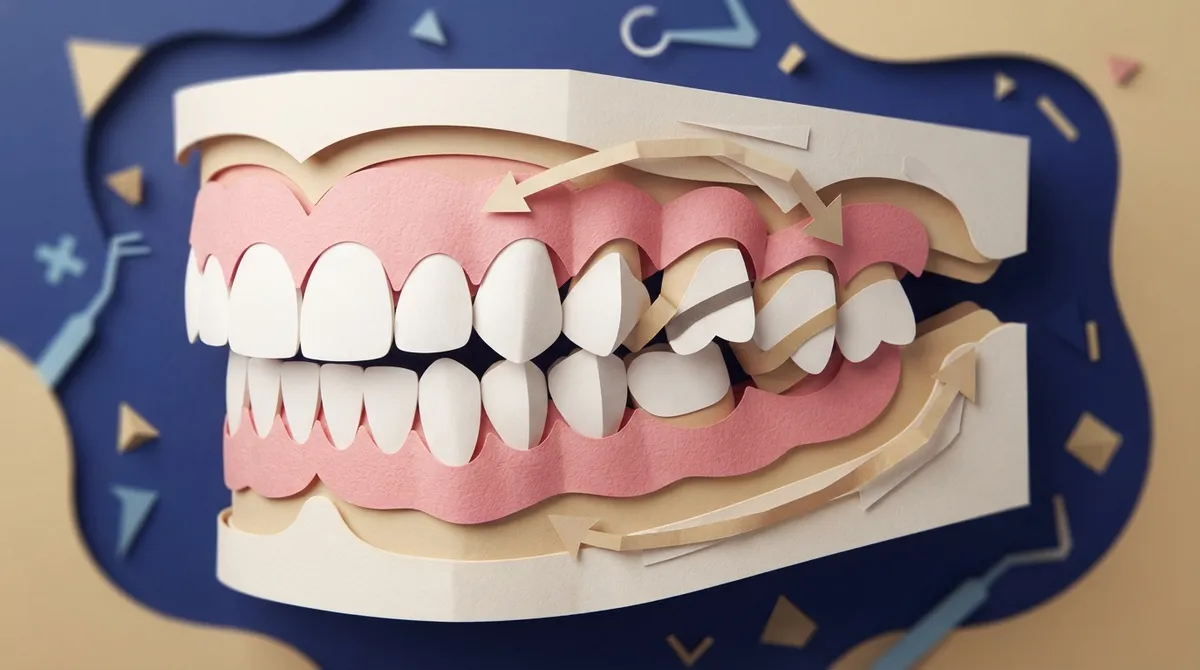
Many people assume braces are a one-and-done fix. The truth is a little more nuanced. Teeth are held in place by bone, gums, and fibers, and all of these keep adapting throughout life. Small changes can happen years after treatment ends.
If you have noticed changes, you are in good company. Our team often hears from adults who finished braces as teens and are now wondering what happened. A visit is the best way to get clear answers instead of guessing. You can also read about the warning signs that teeth are moving to see if any sound familiar.
2. Relapse Means Some Irregularity Has Returned
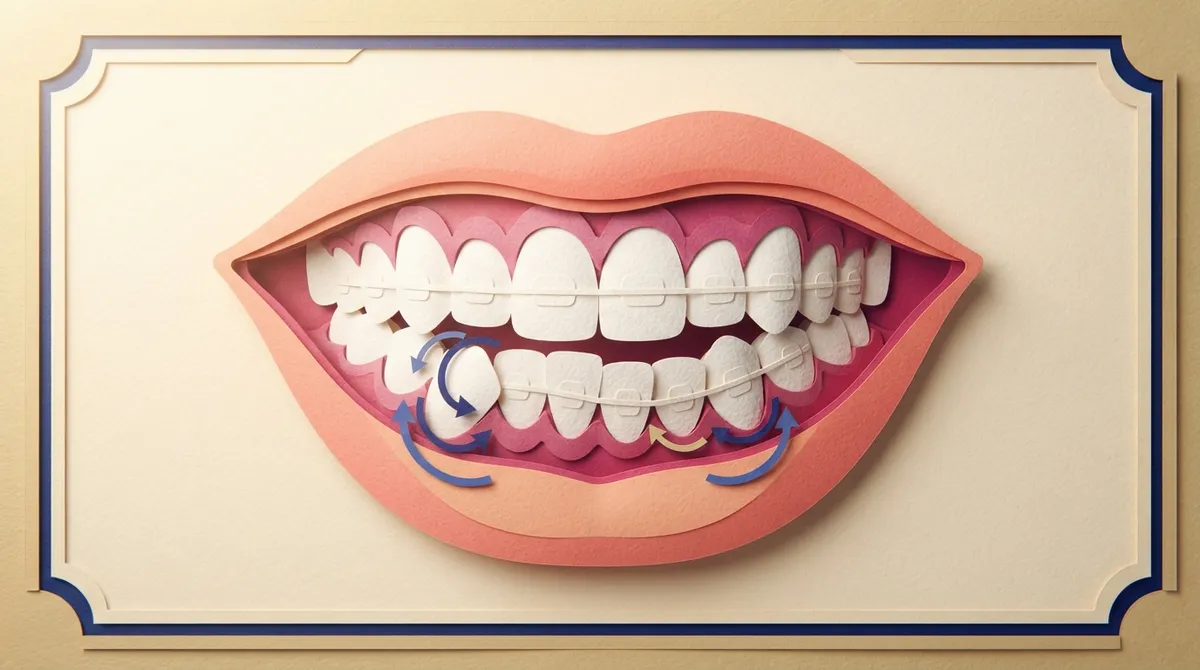
Relapse is the term for the return of some tooth or bite irregularity after orthodontic treatment. It might be mild, like a slightly crowded lower front tooth. Or it might be more noticeable, like a gap reopening.
Relapse is not a verdict on your past treatment. It is simply a signal that your teeth have moved from where they were finished. Understanding why they moved is the key to choosing the right next step. For more on the topic, see our article on whether teeth can move with a retainer.
3. The Evaluation Sorts Out the Real Cause
One of the main goals of an orthodontic evaluation after previous braces is to figure out why things changed. Your orthodontist looks at whether the movement is:
- Relapse from the original correction
- A retainer problem, such as a broken, loose, or ill-fitting appliance
- A change in your bite over time
- A new concern unrelated to your earlier treatment
Each cause points toward a different solution. That is why an in-person assessment matters. It is not possible to recommend the right care from a photo alone.
4. What Happens During the Visit
Many people feel nervous about the unknown, so here is a friendly preview. The visit usually starts with a conversation. We ask about your past treatment, how you used your retainers, and what you are noticing or hoping to change.
Next, your orthodontist examines your teeth, bite, gums, and any retainers you have. Depending on your situation, the visit may also include:
- Photographs of your smile and teeth
- Digital scans or impressions of your teeth
- X-rays, when clinically indicated
- A review of your goals and any symptoms, like jaw discomfort or trouble chewing
Digital scanning is comfortable and quick. If you are curious, learn more in our guide to intraoral scanning for orthodontics.
5. Bring Your Retainers, Even If They Look Rough
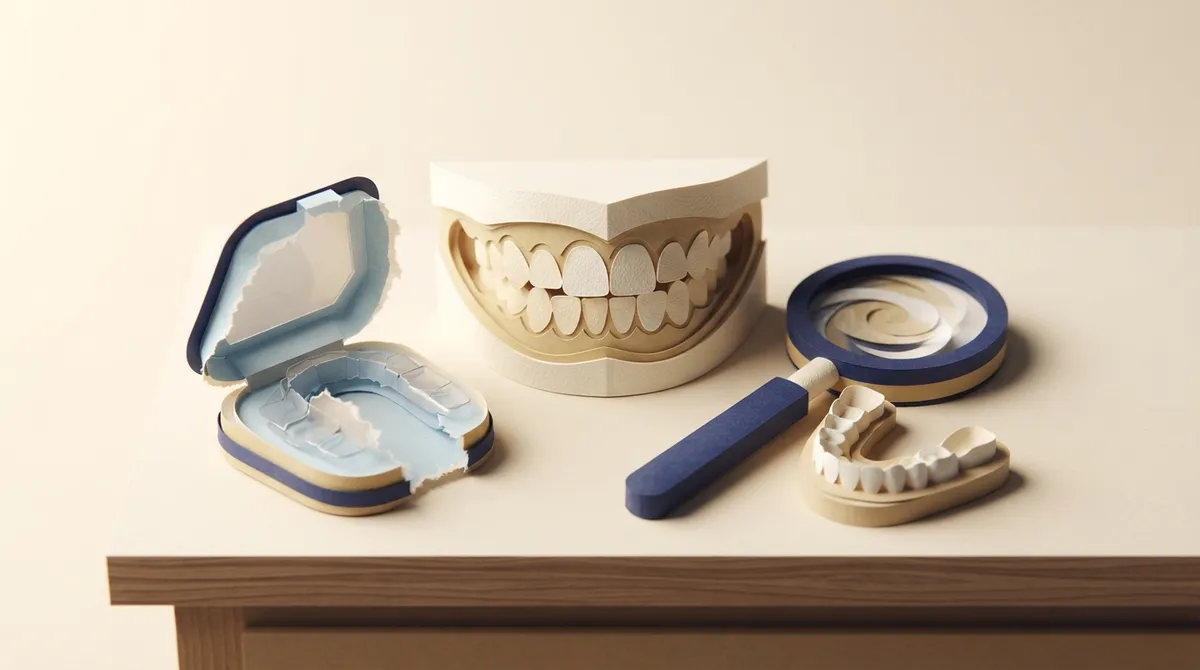
Your retainers tell a story. A cracked clear retainer, a bent wire, or one that no longer fits can all explain why teeth moved. So bring every retainer you have, even the ones tucked in a drawer for years.
Also bring any records from your first treatment if you can find them, plus a list of questions. A little preparation helps the visit go smoothly. Our guide on how to prepare for your orthodontic evaluation has a handy checklist.
6. A Tight or Broken Retainer Needs Professional Advice
It is tempting to force an old retainer back into place. Please do not. If a retainer no longer fits well, pushing it on can cause pain or even harm to your teeth and gums.
A loose, broken, distorted, or poorly fitting retainer can also allow unwanted movement. Call your orthodontist for advice instead. We explain why in why you should not force an ill-fitting retainer, and you can learn the next steps in 5 steps to take when an old retainer no longer fits.
7. Retainers Lower the Risk, but They Are Not a Guarantee
Retainers are one of the best tools we have for protecting your results. Still, research shows no retainer type can promise perfect long-term stability. A 2023 Cochrane review found the evidence comparing retention methods is low to very low certainty, so no single approach can be called the clear winner.
That is why retention is individualized. Your orthodontist considers your original problem, your bite, and your lifestyle. Our comparison of fixed vs. removable retainers can help you start thinking about what might suit you.
8. Even Bonded Retainers Can Fail
Many people assume a wire bonded behind the teeth is bulletproof. It is a wonderful option for many patients, but it can come loose or break too. A 2023 systematic review and meta-analysis of 34 studies and 3,484 participants found a pooled failure rate of 35.22% for fixed bonded retainers after excluding high-risk-of-bias studies.
Here is how the reported failure rates rose with follow-up time:
| Follow-Up Period | Reported Failure Rate |
|---|---|
| Short-term | 24.18% |
| Medium-term | 40.09% |
| Long-term | 53.85% |
These are study-level estimates, not a prediction for you personally. Another 2021 review reported failure rates ranging from 7.3% to 50%. The takeaway? Check bonded retainers regularly. Learn more in our fixed bonded retainer guide.
9. Your Oral Health Comes First
Before any tooth movement begins, your orthodontist checks the health of your teeth and the tissues that support them. Things like cavities, gum disease, and existing dental work can affect your plan, and some may need attention before orthodontic movement starts.
This is especially important for adults and health-conscious patients with periodontal concerns. Healthy foundations make for safer, more predictable results. See why in why cavities need attention before orthodontic treatment.
10. Retreatment Is Not Automatic
Here is the best news: a visit does not mean you will be signed up for braces again. Your orthodontist tailors recommendations to how much your teeth moved, why it happened, your oral health, and your goals.
For some people, the answer is simply to keep an eye on things. For others, it is a new retainer or a short course of limited movement. Only some need full treatment. Every smile is different, and your plan should be too.
11. You May Have More Options Than You Expect
Depending on what the evaluation shows, your options may include:
- Monitoring if changes are very small and stable
- Retainer repair or replacement to hold what you have
- Limited tooth movement with clear aligners or braces
- More comprehensive treatment if the bite or alignment has changed significantly
Brockway Orthodontics offers Spark™ Clear Aligners, metal braces, and ceramic (clear) braces, so we can match the approach to your needs. Wondering which route might fit? Explore our guide to braces vs. aligners for gap closure or read about adult orthodontic retreatment options.
12. Clear Aligners Can Be a Good Fit for Some Relapse
Many adult professionals love the idea of discreet treatment, and clear aligners may be a good fit for mild to moderate relapse. A 2024 systematic review comparing relapse after aligners and fixed braces found limited evidence and no clear major difference in relapse frequency. The studies had moderate or high risk of bias, so we treat those results carefully.
What matters most is whether aligners can safely handle your specific movement. Your orthodontist will tell you honestly. If you want a deeper look, see how to prepare for a clear aligner evaluation after relapse.
13. Retention Planning Is Part of Retreatment
If you do move forward with retreatment, retention is not an afterthought. After active correction, you will generally need a new or adjusted retainer, plus a clear wear schedule and follow-up plan.
No retainer guarantees perfect long-term stability, so the choice is individualized. Many patients wear retainers long term to protect their investment. Our articles on retainers for life and caring for your dental retainer are great places to learn more.
Who Benefits Most From an Evaluation?
An evaluation can help many different people, including:
- Adults who had braces as teens and now see changes
- Parents whose teens finished braces but stopped wearing retainers
- Young adults heading into graduations, weddings, or new jobs
- Anyone with a lost, broken, or tight retainer
If any of these sound like you, a quick visit can offer real peace of mind. You can also see what to expect during your orthodontic exam for a closer look at the process.
What to Do Next
If you have noticed your teeth changing, do not wait for it to get worse. Smaller shifts are often simpler to address. In the meantime, avoid forcing a tight retainer and keep any appliances safe for your visit.
Dr. Brockway takes time to listen to your concerns and goals, then explains your options in plain language. We believe you should feel comfortable and informed every step of the way. You can also read what our patients say by visiting our Brockway Orthodontics location on Google. For professional background on orthodontic care, the American Dental Association and the Florida Association of Orthodontists are trustworthy resources.
For the research on retainer outcomes, you can read the 2023 meta-analysis on fixed bonded retainer failure.
Ready for Answers About Your Smile?
Your smile is worth protecting, and you deserve clear answers about what changed and what to do next. Whether the fix is a new retainer, a little monitoring, or a fresh round of treatment, we are here to guide you with kindness and honesty. Book your appointment online or contact us with any questions. We would love to help you get your smile back on track.
FAQs
Q: Do I need braces again if my teeth shifted after treatment?
A: Not necessarily! It depends on how much your teeth moved, why it happened, and your goals. Some people only need monitoring or a new retainer, while others benefit from limited movement with aligners or braces.
Q: Can I wear my old retainer if it feels tight or no longer fits?
A: Please don’t force it. Pushing on a retainer that no longer fits can cause pain or harm to your teeth. Give your orthodontist a call so we can check the fit and advise you safely.
Q: What happens during an orthodontic evaluation after previous braces?
A: We review your treatment and retainer history, talk through your goals, and examine your teeth, bite, gums, and retainers. We may also take photos, digital scans, or X-rays if they’re clinically needed.
Q: Can a broken or loose retainer cause teeth to move?
A: Yes, it can. A retainer that is broken, loose, distorted, or poorly fitting may allow unwanted tooth movement, so it’s best to have it checked as soon as you notice a problem.
Q: Do I need to wear a retainer for life after retreatment?
A: Retainers lower the risk of shifting, but no type guarantees perfect long-term stability. Your orthodontist will build a personalized wear and follow-up plan, and many patients choose long-term wear to protect their results.
Our Service Area