Key Takeaways
-
Aligners must be prescribed and supervised by a licensed dental professional, since the FDA warns unsupervised treatment can cause bite problems, pain, and even tooth loss.
-
Get an in-person evaluation first, including imaging and a check of cavities or gum issues, before committing to any aligner plan.
-
Aligners only work when worn at least 22 hours a day; remove them just to eat, drink anything besides water, brush, and floss.
-
Ask for a written, case-specific cost estimate that spells out retainers, refinements, scans, and follow-up visits, since advertised prices vary widely by provider.
-
Plan for retainers from day one, because teeth tend to drift back after straightening and retainer schedules differ between patients.
-
Aligners may not suit complex bite problems, where braces or a combined approach could work better, so confirm you are a good candidate during consultation.
Picture this: you catch your reflection in a shop window and think, “I wish my smile looked a little straighter.” If that sounds familiar, you are in good company. Plenty of kids, teens, and adults in our area are curious about teeth aligners in Clearwater, and it is easy to see why. They are clear, removable, and fit right into a busy life.
But choosing aligners is not as simple as picking a brand off a shelf. Your teeth, your bite, and your goals all shape what will work best. The good news is that you do not need to figure it out alone. This friendly guide walks you through each step, from your first evaluation to life after treatment. We will keep the language simple and the advice practical, so you can feel ready and relaxed before you ever sit in the chair.
What Are Teeth Aligners, Exactly?
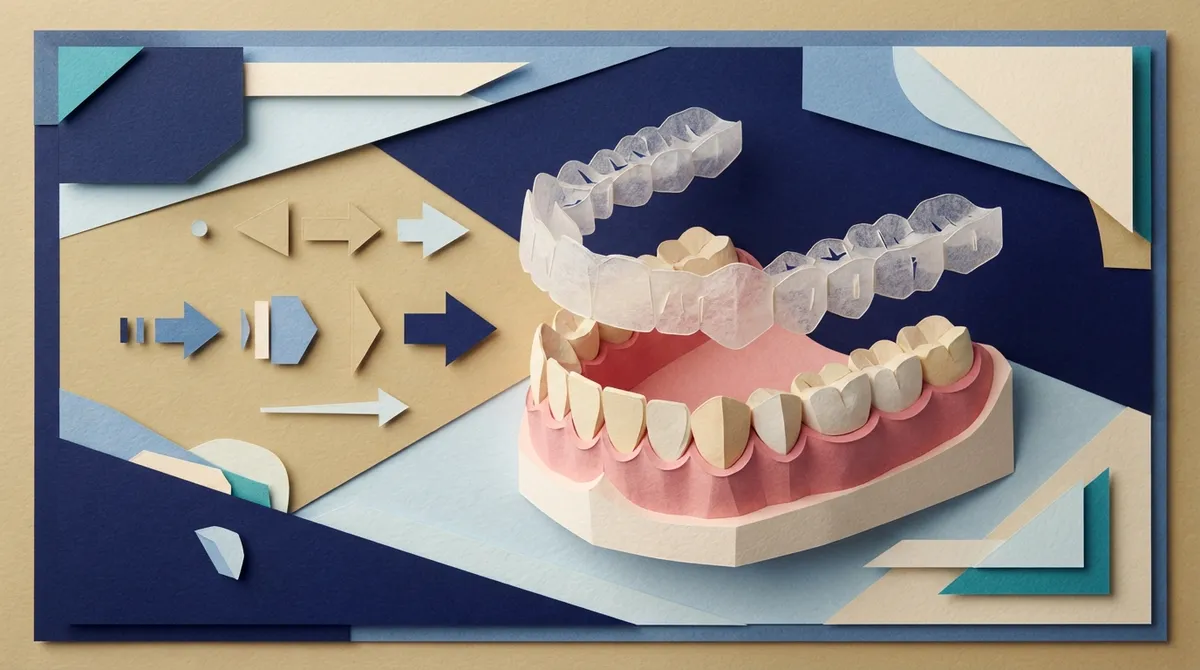
Teeth aligners are custom-made, clear plastic trays that gently move your teeth into better positions. You wear one set for a while, then switch to the next set in the series. Each new tray nudges your teeth a little further along.
Aligners are prescription devices. That means a licensed dental professional should plan and supervise your care. The U.S. Food and Drug Administration says clear aligners should be used under the supervision of a licensed dental practitioner.
You may hear the word “Invisalign” a lot. That is one brand. “Clear aligners” is the wider term for many prescription systems. If you want to see how the trays work, our guide on how removable aligners straighten teeth explains it in plain language.

Step 1: Find Out If Aligners Fit Your Smile
Aligners can help with many common concerns. These include crowding, gaps, and some mild bite issues. They are not the best match for every smile, though. Some complex tooth movements or bite problems may call for braces or a mix of both.
Here is a quick look at how the two options often compare.
| Feature | Clear Aligners | Braces |
|---|---|---|
| Appearance | Nearly invisible | Metal or ceramic brackets |
| Removable | Yes | No |
| Eating | Take trays out first | Some foods to avoid |
| Best for | Many mild to moderate cases | Wide range, including complex cases |
| Your role | Wear trays as directed | Keep brackets clean |
If you want a deeper comparison, read which is right for you: clear aligners vs braces. You can also check what makes someone a clear aligner candidate before your visit.
Step 2: Get a Real Evaluation First
A good evaluation is the heart of safe aligner treatment. Skipping it is like buying shoes without checking your size. At an in-person visit, your orthodontist looks at your teeth, gums, and bite. They also review your dental history.
Imaging may be recommended. Existing dental problems, like cavities or gum concerns, may need attention before treatment starts. Our team explains why in why cavities need attention before orthodontic treatment.
Modern tools make this part easier. At Brockway Orthodontics, we use digital impressions instead of messy molds. We also use 3D imaging to plan your treatment with care. Curious how it works? Take a peek at facts about intraoral scanning.
What to Ask During Your Consultation
Come with a few questions in your pocket. It helps you feel in charge of your care. Here are some great ones to start with.
- Am I a good candidate for aligners, or would braces fit better?
- Who will supervise my treatment, and how often will I visit?
- How long might treatment take for my case?
- What happens if a tray does not fit or progress slows down?
- Are retainers, refinements, and follow-up visits included in the fee?
For more ideas, see 13 questions to ask at an orthodontic consultation.
Step 3: Understand the Daily Routine
Aligners work only when you wear them. The American Association of Orthodontists says aligners are typically worn at least 22 hours a day. You take them out to eat, to drink anything other than water, and to brush and floss.
Each tray is commonly worn for about one week. Your clinician may set a different schedule, so always follow their plan. Wear time matters a lot, and you can learn why in why aligner wear time affects treatment progress.
Here is a simple daily rhythm that many patients find easy.
- Take your aligners out before meals and snacks.
- Brush and floss your teeth after eating.
- Rinse your trays and pop them back in.
- Store them in their case whenever they are out.
- Clean your trays gently each day with cool water and a soft brush.
Skip hot water. It can warp your trays, as explained in why hot water can damage clear aligners. A little habit goes a long way here, so keep your case handy.
Step 4: Know How Long Treatment May Take
Every smile is different, so every timeline is different. The number of trays and the total length depend on your teeth and your goals. There is no single answer that fits everyone.
One thing to know up front: the AAO notes that making and delivering aligners can take up to six weeks in some cases. That timing varies by provider and plan.
Some people need a small set of extra trays near the end to fine-tune results. These are called refinements. Learn more in refinement aligners vs the original set. Staying on track also helps, and these tips for keeping your timeline on track can help.
Step 5: Plan for the Cost
Let’s talk money, because it matters. Prices for teeth aligners in Clearwater vary a lot. Some local practice pages mention ranges like $3,500 to $6,000. Another office lists treatment starting at $4,500. These are provider-specific numbers, not a citywide average, and they may include different things.
Because of that, ask for a written estimate for your own case. Then compare the total fee, not just the headline price.
What a Good Estimate Should Include
- The full treatment fee and any extra charges
- Retainers after treatment
- Refinement trays, if needed
- Scans, imaging, and follow-up visits
- Insurance benefits and financing terms
Money questions are very normal, and we are glad to talk them through. These guides can help you plan: how to budget for clear aligners in Clearwater and why a written fee breakdown matters. If you plan to use insurance, read how to use dental insurance to cover orthodontics as well.
At Brockway Orthodontics, we offer Spark™ Clear Aligners, a more affordable option than many popular brands. You can learn more about them in what are Spark Clear Aligners. Flexible financing may also help, and our post on orthodontist financing in Clearwater breaks it down.
Step 6: Choose the Right Provider
Who guides your care matters as much as the trays themselves. The AAO identifies orthodontists as specialists in orthodontic care. A general dentist may also offer aligner treatment, so it pays to ask about training and experience.
Look for a team that listens and explains things clearly. You should feel comfortable asking anything. Our guide on what makes a specialist orthodontist different shares what to look for. You can also review orthodontist credentials to check before you book.
Dr. Brockway is more than a trained orthodontist. She takes time to hear your worries and your hopes for your smile. That caring approach is a big reason families across Clearwater trust her. You can meet Dr. Brockway to see what we mean. Want to hear from real patients? Visit us on Google — Brockway Orthodontics and read what neighbors say.
The Florida Association of Orthodontists is another handy place to learn about orthodontic care in our state. You can visit the Florida Association of Orthodontists for general information.
Step 7: Do Not Skip Professional Monitoring
It can be tempting to think aligners run on autopilot. They do not. Regular checkups help your orthodontist see how your teeth are moving. They also help fix small problems early.
The FDA warns that unsupervised treatment can raise risks. These include unwanted tooth movement, bite problems, pain, and, in serious cases, tooth loss. That is why we encourage supervised care from start to finish.
Checkups are a big part of staying safe and on schedule. Read how to keep clear aligners on track with monitoring and why orthodontic checkups matter so much. If you are weighing do-it-yourself routes, our post on DIY smile fixes vs finding an orthodontist shares why guided care wins.
Step 8: Plan Your Retainers Early
Here is the part many people forget. Once your teeth are straight, they want to drift back. A retainer helps hold your new smile in place. It is a normal and important step, not an extra.
Ask up front whether retainers are included in your quote. Also ask how long you will need to wear them. Every patient is a little different, as explained in why retainer schedules differ between patients.
These helpful reads will keep your smile steady: why you still need retainers after clear aligners and how to care for your dental retainer. Treat your retainer like a loyal sidekick. Wear it, clean it, and keep it safe.
Who Are Aligners Good For?
Aligners suit many different people. Here is how a few groups often think about them.
- Teens and young adults: They like the modern, low-profile look for school, sports, and big events.
- Adult professionals: Discreet trays fit busy workdays and meetings. See how to fit clear aligners into a busy adult schedule.
- Parents: They want the right match for a growing child. Learn more in how to know if clear aligners fit your Clearwater kid.
- Returning patients: Teeth that shifted after old treatment may be candidates for a fresh plan. See how to prepare for a clear aligner evaluation after relapse.
- Health-focused patients: Those with gum concerns need a careful, customized plan. Read why gum health matters before treatment.
Brockway Orthodontics proudly treats the whole family, from kids to adults. Whatever your age, we meet you where you are.
A Quick Checklist Before You Say Yes
Before you start treatment, run through this short list. It keeps surprises away.
- Confirm you had an in-person evaluation and a written plan.
- Check who supervises your care and how often you will visit.
- Get a written, case-specific cost estimate.
- Ask what is included: retainers, refinements, scans, and visits.
- Understand the daily wear schedule and your part in it.
- Plan for retainers from day one.
Want a step-by-step walkthrough of the whole process? How to get clear aligner treatment right the first time is a great companion read. You can also explore our full range of clear aligners in Clearwater, Florida.
Ready to Take the First Step?
Choosing teeth aligners in Clearwater does not have to feel overwhelming. Start with a real evaluation, ask lots of questions, and pick a team that treats you like family. With the right plan and a little daily care, a straighter, more confident smile is well within reach.
We would love to help. Book your appointment online to meet Dr. Brockway and talk through your options. Prefer to chat first? Contact us and our friendly team will be happy to answer your questions. For general oral health guidance, the American Dental Association is another helpful resource. Your smile story starts here.
FAQs
Q: How much do teeth aligners cost in Clearwater, Florida?
A: Prices vary by provider and by case. Some local practices advertise ranges like $3,500 to $6,000, or starting prices near $4,500, but these are examples and not a citywide average. The best move is to ask for a written estimate that lists what is included, like retainers and follow-up visits.
Q: How many hours a day do I need to wear aligners?
A: The American Association of Orthodontists says aligners are typically worn at least 22 hours a day. You take them out to eat, to drink anything besides water, and to brush and floss. Your orthodontist may set a slightly different plan, so follow their directions.
Q: Are clear aligners or braces better for my teeth?
A: It depends on your teeth and your bite. Aligners work well for many alignment concerns, while braces or a combined approach may suit more complex cases. An in-person evaluation is the best way to find your best fit.
Q: Do I need a retainer after aligner treatment?
A: Yes, a retainer is commonly recommended after treatment to help keep your teeth from shifting back. Ask your orthodontist how long to wear it and whether it is included in your quoted fee.
Q: What should I ask at a clear aligner consultation in Clearwater?
A: Ask if you are a good candidate, who will supervise your care, and how often you will visit. Also ask how long treatment may take, what happens if progress stalls, and whether retainers and refinements are included in the cost.
Our Service Area