Key Takeaways
-
An overbite evaluation is a low-pressure exam, not a commitment to treatment, and it gives you clear answers about whether your bite needs attention.
-
The American Association of Orthodontists recommends an initial orthodontic checkup by age 7, which is a screening that often leads to simply monitoring growth.
-
Overbites are classified as dental, skeletal, or combined, and this distinction shapes which treatment path makes sense for you.
-
Clear aligners can help some overbite cases, but suitability depends on the tooth movements needed and how consistently the aligners are worn.
-
Adults can be treated for overbites, though growth-guiding appliances are generally for growing patients, and severe skeletal cases may require coordinated surgical care.
-
Ask for a written fee breakdown and a retention plan at your first visit, since protecting results with retainers after treatment is as important as the correction itself.
Have you ever looked in the mirror and wondered if your top front teeth stick out too far over your bottom ones? Maybe your dentist mentioned a “deep bite.” Or maybe your child’s smile looks a little different from their friends’. You are not alone, and you are in the right place. Many families in Pinellas County have the same question: does this bite need attention?
The best way to find out is to see a Clearwater orthodontist for overbite evaluation. An evaluation is simply a careful look at how your teeth and jaws fit together. It does not mean you must start treatment. It means you get clear, honest answers from a specialist.
In this guide, we will walk you through what an overbite is, what happens during an evaluation, and which treatment options may fit different ages. We will also share questions worth asking at your first visit. Whether you are a parent, a teen, a busy professional, or someone who had braces years ago, this guide is for you.
What Is an Overbite, Exactly?
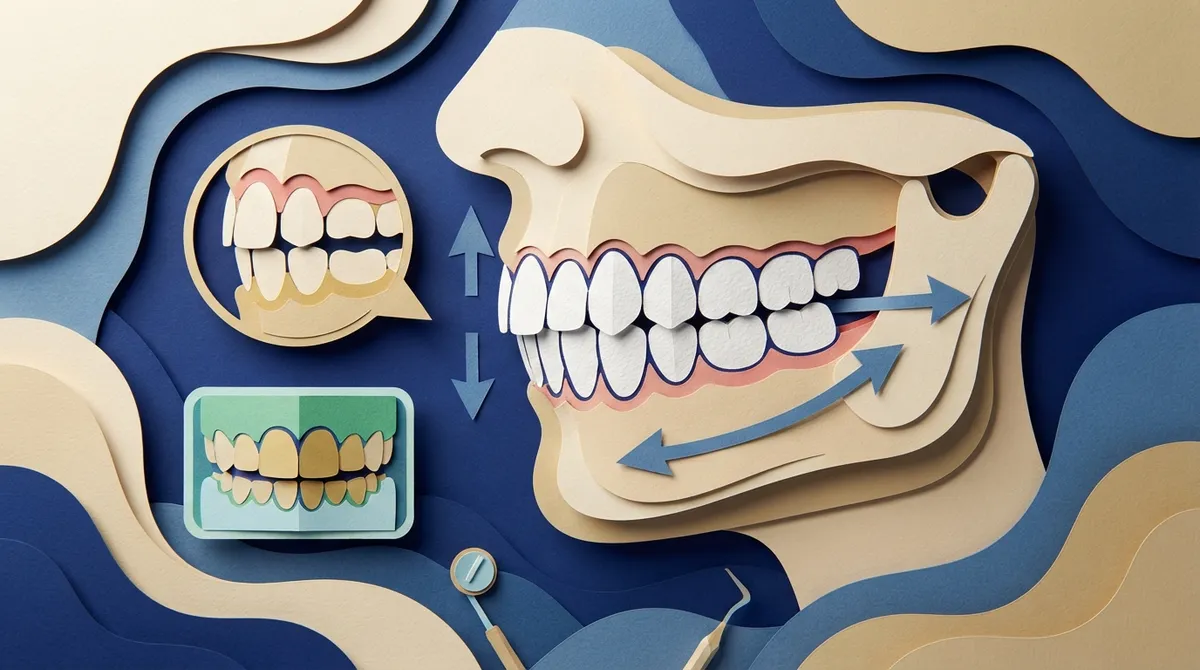
An overbite is the vertical overlap of your upper front teeth over your lower front teeth. A little overlap is normal. In a healthy bite, the top teeth cover a small part of the bottom teeth when you close your mouth.
When the overlap is too big, an orthodontist may call it an excessive overbite. The key question is why it happens. An orthodontist looks at whether the cause is tooth position, jaw relationship, or both.
If you want a deeper read on the basics, see our guide on what an overbite is, with causes, signs, and fixes. It is also worth knowing how an overbite differs from other bite terms. Our article on the difference between overjet and overbite clears up a common mix-up.
Dental vs. Skeletal Overbites
This difference matters a lot for your plan:
- Dental overbite: The teeth are tipped or positioned in a way that creates extra overlap, but the jaws are in a balanced relationship.
- Skeletal overbite: The upper and lower jaws do not line up well, which pushes the teeth out of position.
- Combined overbite: Both tooth position and jaw relationship play a part.
Only a trained specialist can sort this out. That is why an in-person evaluation is so helpful.
Why See a Clearwater Orthodontist for Overbite Evaluation?
You might wonder why you should see an orthodontist instead of waiting. The short answer is that early, clear information helps you plan. An overbite can be easy to see but hard to judge. The way your teeth meet, how your jaws sit, and how you are growing all affect your options.
An orthodontist is a dental specialist who studies bite and jaw alignment. If you are curious about the difference, our post on why to see a specialist orthodontist explains it in plain language.
Here are some signs that an evaluation may be a good idea:
- Your upper front teeth cover much of your lower front teeth.
- Your lower teeth touch the roof of your mouth behind the upper teeth.
- You notice wear, chipping, or discomfort when you bite.
- Your child’s front teeth look like they stick out or sit far forward.
- You had braces in the past, and your bite seems to be changing.
Not sure whether your concern counts as a bite problem? Our article on why your bite needs an orthodontist’s attention can help you decide.
What Happens During an Overbite Evaluation?
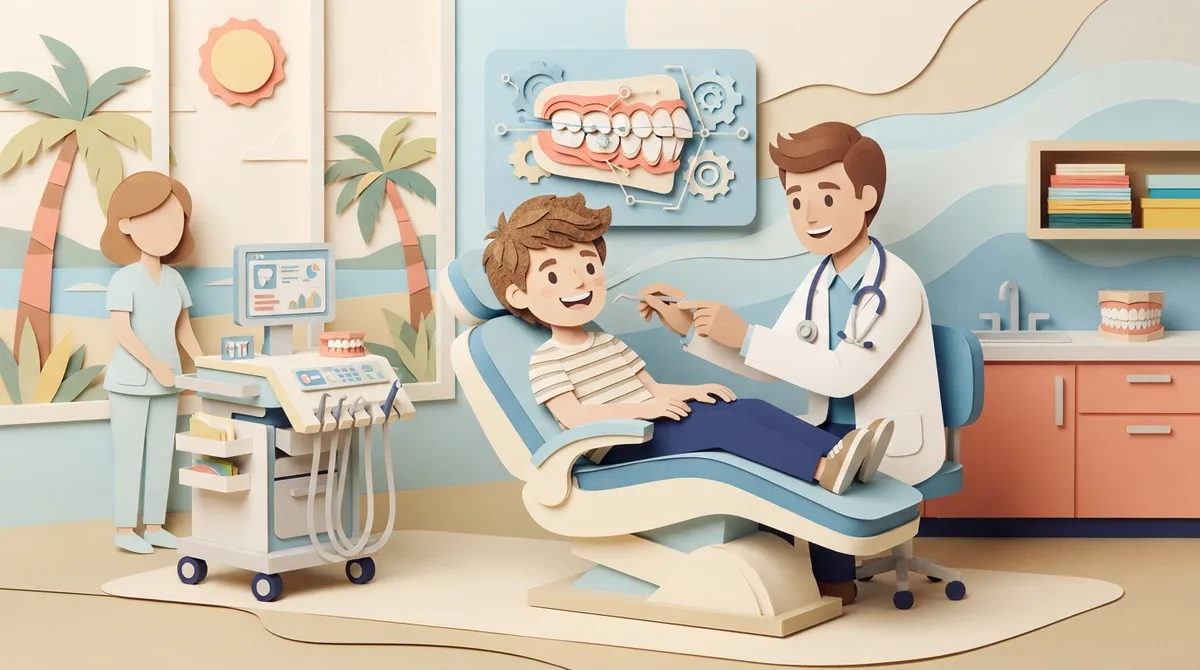
Many people feel nervous before a first visit. Good news: an evaluation is usually relaxed and friendly. Here is what a typical visit may look like. The exact steps depend on your case.
- A warm welcome and a chat. Your orthodontist listens to your concerns and goals. This is your time to share what bothers you most.
- Dental and medical history review. Past dental work, habits like thumb sucking, and health details can all affect your bite. Curious why this matters? Read why orthodontists review your dental history.
- An in-person exam. The orthodontist looks at your teeth, bite, and gums. They also check how your jaws line up and how your facial profile looks.
- Records, when appropriate. Photographs, digital scans, or X-rays may be used when they help. Not every patient needs every record. For more detail, see what orthodontic X-rays can help evaluate in 2026.
- A clear explanation. You learn what the orthodontist found, whether treatment is needed, and which options may fit.
Modern Tools Make It More Comfortable
Today’s technology has made evaluations easier. Digital scanners can replace messy molds in many cases. At Brockway Orthodontics, we use digital impressions and 3D imaging to help plan care with precision. If you are curious how scanning works, check out 10 facts about intraoral scanning for orthodontics.
What Does an Orthodontist Look For?
During your visit, your orthodontist studies several things at once. Think of it like putting together a puzzle. Each piece gives a clue about the best path forward.
| What Is Checked | Why It Matters |
|---|---|
| Tooth position | Shows whether the teeth are tipped or crowded in a way that causes the overlap |
| Jaw relationship | Helps decide if the cause is dental, skeletal, or both |
| Facial profile | Gives clues about how the jaws and teeth sit together |
| Bite function | Shows how your teeth meet when you chew and speak |
| Growth stage | Tells whether growth-guiding treatment may help |
| Gum and tooth health | Makes sure your mouth is ready for treatment |
Because every mouth is different, no two evaluations look exactly alike. Your plan should be built around you, not a one-size-fits-all template. Learn more about this idea in our post on customized treatment plans.
Can Treatment Options Differ by Age?
Yes, they can. Age plays a big role in what an orthodontist may suggest. Let’s look at the main groups.
Children and the Age 7 Checkup
The American Association of Orthodontists recommends an initial orthodontic checkup by age 7. This is a screening, not a promise of treatment. Many children simply get watched until the timing is right.
For some growing kids, an orthodontist may suggest a growth-guiding appliance. These tools may help guide jaw development while the child is still growing. If this sounds new to you, our guide on phase one orthodontic treatment for kids is a good place to start.
Parents often ask whether to act early or wait. Our article Age 7 vs. Waiting walks through both sides. You can also read why an early evaluation is not the same as treatment for extra peace of mind.
Teens and Young Adults
Teens are often still growing, which can open up more options. Many teens also care about how their braces look. Metal braces, ceramic braces, and clear aligners may all be possible, depending on the bite. A calm, well-timed plan can help your teen look forward to the process. Our list of 12 questions teens should ask their orthodontist can make the first visit feel easier.
Adults
Adults can absolutely be evaluated and treated for overbites. Growth-guiding treatment is generally for growing patients, so adult plans focus mostly on moving teeth. In selected severe skeletal cases, an orthodontist may talk about coordinating care with a surgeon. Our article on why overbite correction works differently for adults goes into more detail.
If you are a busy professional, you may care most about comfort and looks. If you had braces long ago and your bite has shifted, you are not alone. That is called relapse, and many adults seek retreatment. You can learn about orthodontic relapse warning signs to see if this sounds familiar.
What Treatment Options May Be Discussed?
After your evaluation, your orthodontist may talk about one or more of these paths. The right choice depends on your age, how severe the overbite is, and whether it is dental or skeletal.
- Metal braces: A trusted option that works well for many bite types.
- Ceramic (clear) braces: Tooth-colored brackets that blend in more.
- Clear aligners: Removable trays that may work for selected overbite cases.
- Elastics (rubber bands): Often used with braces to help adjust how the bite fits together.
- Growth-guiding appliances: May be used for some growing patients.
- Coordinated surgical care: Considered only for severe jaw differences.
Brockway Orthodontics offers metal braces, ceramic braces, and Spark™ Clear Aligners, a more affordable option for many patients. Not sure how they compare? See braces vs. clear aligners in Clearwater.
Can Clear Aligners Fix an Overbite?
Sometimes, yes. Clear aligners can be an option for selected overbite cases. Whether they fit depends on the tooth movements needed and how well the patient wears them. An orthodontist should decide if aligners, braces, or another approach is the right match. To learn more, read 9 bite problems clear aligners may fix in 2026. For a closer look at how braces handle deeper cases, see how braces fix a deep overbite.
How Long Does Overbite Treatment Take?
This is one of the most common questions, and the honest answer is: it depends. Treatment time varies with the diagnosis and the plan. No reliable, independently verified Clearwater-specific numbers exist for overbite treatment time or cost, so be careful with anyone who promises a fixed timeline before an exam.
Things that can shape your timeline include:
- How severe the overbite is
- Whether the cause is dental, skeletal, or both
- Your age and growth stage
- The type of appliance you choose
- How well you follow your care instructions
For a closer look at timelines, you can explore 6 things that decide braces treatment time in Clearwater.
What About Cost and Payment?
Cost is a real concern for most families, and it is smart to ask about it early. Fees depend on your diagnosis and treatment plan, so there is no single price for everyone. During your visit, ask for a written fee breakdown so you know what is included. Our article on why a written orthodontic fee breakdown matters explains why.
Many offices also offer ways to spread out payments. Take a look at braces payment plans for Clearwater families and how to use dental insurance to help pay for braces. Always confirm current offers directly with the office, since fees and availability can change.
What Should You Ask at Your First Visit?
Going in with questions helps you feel in control. Here are some good ones to bring along:
- Who will perform my evaluation, and are they an orthodontic specialist?
- What diagnostic records are included in the visit?
- Is my overbite dental, skeletal, or both?
- Which treatment options fit my age and bite?
- About how long might treatment take?
- What will it cost, and what payment options exist?
- What happens after treatment to keep my results?
That last question matters more than many people think. A healthy bite needs support after braces or aligners come off. Our guide on why retainers matter after braces explains how to protect your results. For even more ideas, see 13 questions to ask at an orthodontic consultation, and plan ahead with how to prepare for your orthodontist consultation in Clearwater.
Why Choose Brockway Orthodontics for Your Overbite Evaluation?
At Brockway Orthodontics, we believe a great evaluation starts with good listening. Dr. Brockway takes time to hear your concerns and your hopes for your smile. She wants you to feel comfortable and informed from start to finish. You can learn more about her background on the page Who Is the Brockway Orthodontist in Clearwater, FL?
We care for the whole family, from kids to teens to adults. We use modern tools like digital impressions and 3D imaging. In certain cases, we can even offer same-day treatment so busy families can get started without extra trips. Dr. Brockway also loves this community, and building real relationships with families matters to her just as much as building beautiful smiles.
Want to hear from real patients? You can visit us on Google — Brockway Orthodontics to see what our Clearwater neighbors say. If you want to connect with a professional resource for orthodontic care in our state, the Florida Association of Orthodontists is a helpful place to learn more. For general oral health guidance, the American Dental Association is another trusted source.
Take the First Step Toward a Healthier Bite
An overbite evaluation is simply a conversation, an exam, and a plan. You get clear answers, and you decide what feels right for you or your child. There is no pressure, just helpful guidance from people who care.
Ready to find out where you stand? Book your appointment online and meet our team. If you have questions first, you can contact us and we will be happy to help. Your best smile and a healthier bite may be closer than you think.
FAQs
Q: What happens during an orthodontic overbite evaluation in Clearwater?
A: Your orthodontist will review your dental and medical history, then look closely at your teeth, bite, and jaw alignment. When it helps, they may also use photos, digital scans, or X-rays. You leave with a clear explanation of what is causing the overbite and which options may fit.
Q: At what age should a child be evaluated for an overbite?
A: The American Association of Orthodontists recommends an initial checkup by age 7. This is just a screening, so it does not mean your child will need treatment right then. Many kids are simply watched until the timing is right.
Q: Can clear aligners correct an overbite, or do I need braces?
A: Clear aligners can work for some overbite cases, but not all of them. It depends on the tooth movements needed and how well the aligners are worn. Your orthodontist will tell you whether aligners, braces, or another approach is the best fit.
Q: Can adults get treatment for an overbite?
A: Yes, adults can absolutely be evaluated and treated. Adult plans focus mostly on moving teeth, since growth-guiding treatment is generally for growing patients. In some severe skeletal cases, an orthodontist may talk about coordinating care with a surgeon.
Q: How long does overbite treatment usually take?
A: It varies from person to person. Treatment time depends on how severe the overbite is, whether it is dental or skeletal, your age, and the type of appliance. Your orthodontist can give you a more helpful estimate after your exam.
Our Service Area