Key Takeaways
-
Mild crowding typically means a space shortage under 4 mm, while severe crowding exceeds 8 mm, though these cutoffs are rough guides rather than universal standards that vary across clinics and research.
-
Mild crowding often shows as slight overlaps or one or two twisted teeth, while severe crowding may involve stacked, blocked-out, or far-displaced teeth that sit outside the main arch.
-
Severity is not judged by millimeters alone; orthodontists also evaluate bite relationships, facial profile, gum and bone health, age, and jaw growth before recommending a plan.
-
Mild crowding often responds well to clear aligners or braces and may need only minor enamel reshaping, usually resulting in a shorter treatment timeline.
-
Severe crowding does not automatically require tooth extraction; many patients, especially growing children, are treated without removing teeth using expanders, braces, or arch development.
-
Children with crowding should ideally have an early check-up around age 7, since a space analysis can show whether treatment is needed now or whether watching and waiting is the better choice.
Have you ever looked in the mirror and wondered, “Is my crowding a small thing, or a big one?” You are not alone. Crowded teeth are one of the most common reasons people visit an orthodontist. Yet the words “mild” and “severe” can feel confusing, and a little scary.
Here is the good news. Understanding mild versus severe tooth crowding takes the mystery out of the process. It helps you know what to expect, what questions to ask, and how treatment might work for you or your child. And whatever your label turns out to be, crowded teeth can be treated at nearly any age.
In this friendly guide, we walk through eight clear differences between mild and severe crowding. We cover how orthodontists measure it, what it looks like, and which treatments may fit. At Brockway Orthodontics in Clearwater, FL, we love helping families make sense of this. Let’s dive in!
What Is Tooth Crowding, Exactly?
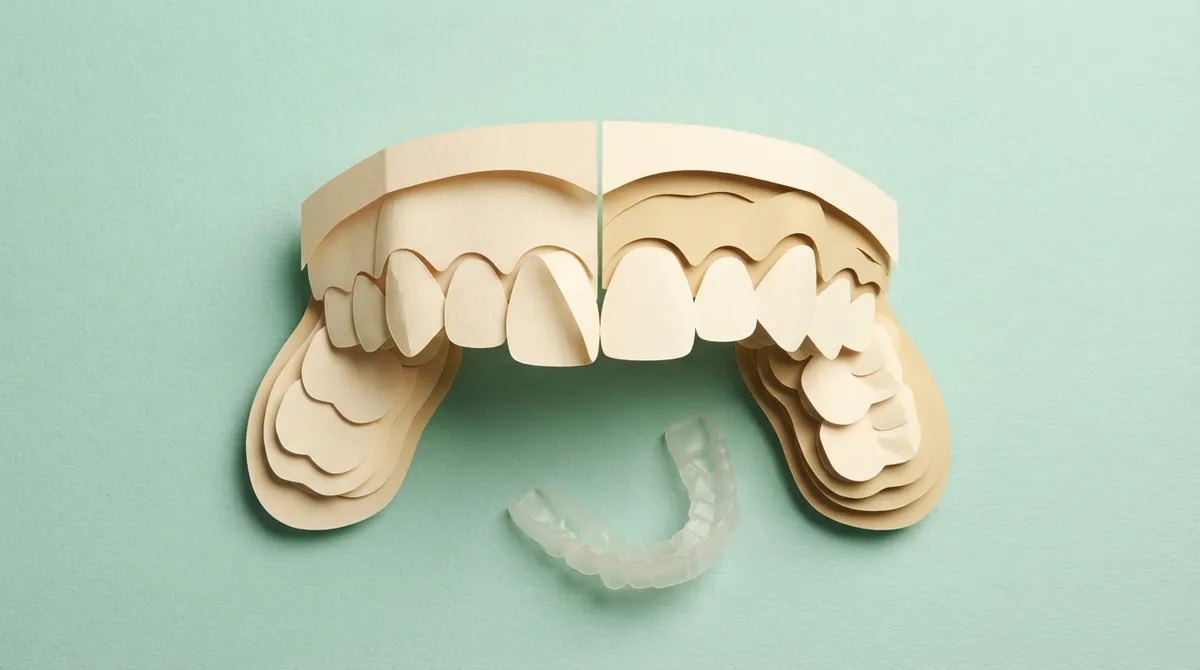
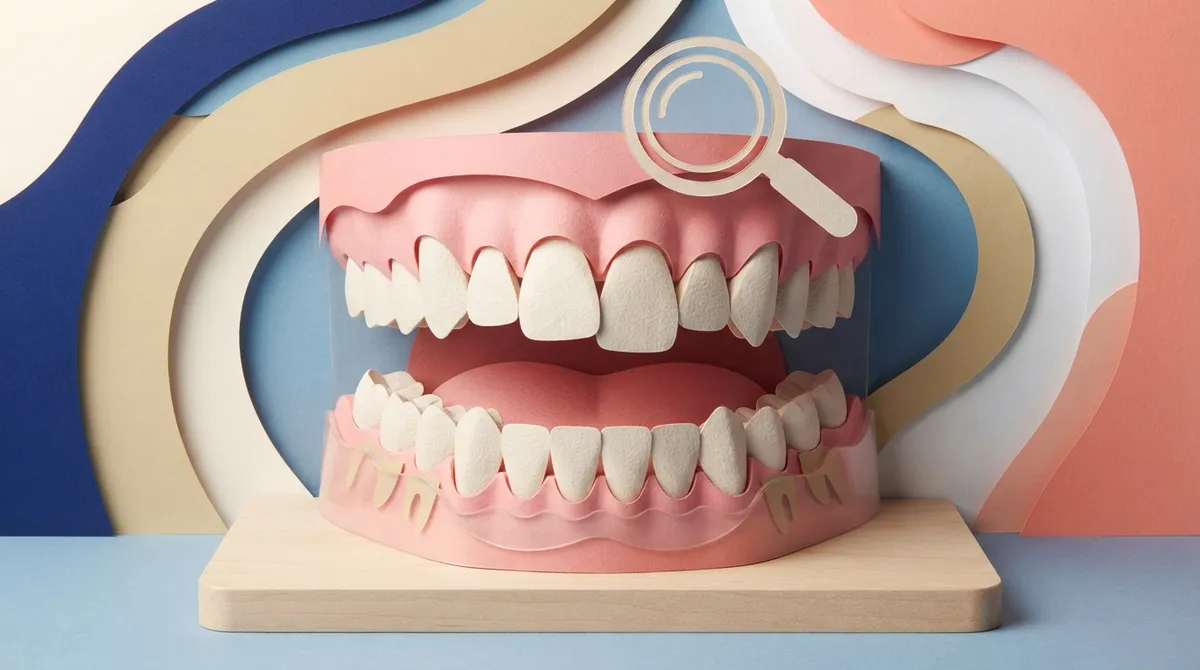
Tooth crowding happens when there is not enough room in the jaw for all the teeth to line up neatly. Orthodontists call this a tooth-size and arch-length mismatch. In plain words, your teeth need more space than your dental arch can offer.
When space runs short, teeth have to go somewhere. They may overlap, twist, tilt, or sit in front of or behind their neighbors. Some teeth get pushed completely out of the arch line.
Crowding is very common in kids and teens. One 2025 case-report article cites estimates that crowding affects anywhere from 31% to 96% of children and adolescents, depending on location. That wide range shows how much definitions and populations differ. The same article, citing a systematic review, mentions figures of about 37% in mixed dentition and 39% in permanent dentition. These are secondary citations, so treat them as rough guides rather than exact numbers.
If you want to learn why it happens, our guide on what causes crowded teeth breaks down the common reasons.
1. How Orthodontists Measure the Difference
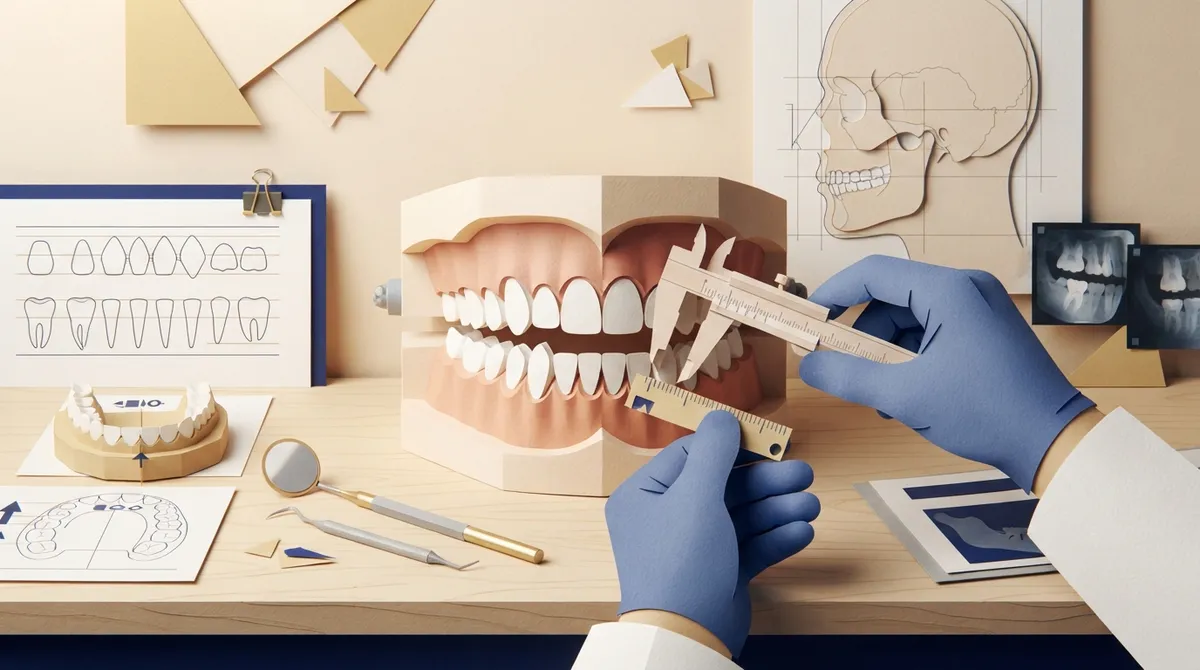
The biggest difference between mild and severe crowding is the amount of missing space. Orthodontists compare the space needed to align the teeth with the space that is actually available. The gap between those two numbers is called the space deficiency, and it is usually measured in millimeters.
One commonly cited classification looks like this:
| Crowding Level | Approximate Space Shortage |
|---|---|
| Mild | Less than 4 mm |
| Moderate | 4 to 8 mm |
| Severe | More than 8 mm |
Here is an important note. These cutoffs are not a universal standard. Different textbooks, clinics, and research papers use different numbers. So think of these as handy ballpark figures, not hard rules. Your orthodontist looks at the full picture, not just one number.
2. What Mild Crowding Looks Like
Mild crowding is often subtle. You might notice a front tooth that is slightly twisted, or two lower teeth that overlap just a bit. Many people with mild crowding say their smile looks “almost straight” but not quite.
Common signs of mild crowding include:
- Slight overlap of the lower front teeth
- One or two teeth that are a little rotated
- Teeth that look tight but still sit mostly in line
- Floss that catches or shreds between certain teeth
Mild crowding is especially common on the lower front teeth. It can also show up after braces if a retainer is not worn. If this sounds like you, our article on why bottom teeth shift most without a retainer may help.
3. What Severe Crowding Looks Like
Severe crowding is easier to spot. Teeth may be stacked on top of each other, pushed far out of the arch, or blocked from coming in at all. A canine tooth, for example, might sit high up near the gumline because there is simply no room for it.
Signs of more severe crowding may include:
- Teeth that sit well in front of or behind the main arch
- Large overlaps between several teeth
- Teeth that seem trapped or unable to erupt
- Strong rotation, where teeth turn sideways
Here is a gentle reminder, though. How a smile looks does not tell the whole story. A smile that seems very crowded may be simpler to treat than you think. And a smile that looks only slightly crowded may have bite issues hiding underneath. That is why a proper exam matters so much.
4. Mild vs Severe: The Bite Matters Too
Crowding rarely travels alone. It often comes with bite problems like an overbite, crossbite, or underbite. The way your upper and lower teeth meet can change the whole treatment plan.
With mild crowding, the bite is often fairly normal. The main goal is to line the teeth up neatly. With severe crowding, the bite may also need attention. Jaw size, tooth position, and the way the jaws grow can all play a part.
Curious about bite basics? Check out why your bite needs an orthodontist’s attention and our guide to how bite alignment affects treatment choice.
5. What an Orthodontist Looks At Besides Millimeters
A number like “6 mm of crowding” is helpful, but it is only one clue. A good orthodontic exam looks at many things together:
- Bite relationships: How the upper and lower teeth fit together.
- Tooth positions: Which teeth are tipped, rotated, or out of line.
- Facial profile: How the teeth and jaws support the lips and face.
- Gum and bone health: The foundation that holds your teeth in place.
- Age and growth: Especially important for kids and teens still growing.
- Location of the crowding: Front teeth, back teeth, upper arch, or lower arch.
This is why two people with the same millimeter measurement can get very different treatment plans. At our practice, we use tools like digital impressions and 3D imaging to see the whole picture clearly. You can read more about this in our post on what orthodontic X-rays can help evaluate.
6. Treatment Options for Mild Crowding
Great news for mild crowding: it often responds well to simple, efficient treatment. Many people with mild crowding are good candidates for clear aligners, though braces work well too.
Common approaches for mild crowding include:
- Clear aligners: Nearly invisible trays that gently move teeth. Our Spark™ Clear Aligners are a more affordable option than Invisalign.
- Metal braces: Reliable and effective for nearly all cases.
- Ceramic (clear) braces: Tooth-colored brackets that blend in. See our metal vs ceramic braces comparison.
- Limited enamel reshaping: Sometimes a tiny bit of enamel is polished between teeth to create a little extra room.
Because mild crowding needs less space, treatment is often shorter. Still, every smile is different, and your timeline depends on your own teeth. Want to dig deeper? Our guide to choosing braces or aligners for crowded teeth is a helpful read.
7. Treatment Options for Severe Crowding
Severe crowding needs more space, so the plan is a little more involved. But please hear this: severe does not mean hopeless. Orthodontists treat severe crowding successfully every day.
Ways to create space for more crowded teeth include:
- Braces: Often the go-to tool for more complex tooth movement.
- Arch development: In growing kids, appliances like a palatal expander can widen the upper jaw to make room. Learn more in our palatal expander guide.
- Enamel reshaping: Used in selected cases to gain small amounts of space.
- Tooth extraction: Sometimes recommended in selected cases to make room for the remaining teeth.
Here is a myth worth clearing up. Severe crowding does not always mean extractions. Severity alone does not decide that. Your age, bite, jaw growth, and facial balance all help guide the choice. Many patients are treated without removing any teeth at all. We explore this in 6 facts about non-extraction orthodontics.
Also, clear aligners can sometimes handle more complex cases, but braces are often the more predictable pick when crowding is significant. Your orthodontist will tell you honestly which one fits best.
8. Timing: When to Act, Especially for Kids
Crowding can be spotted early. In children with a mix of baby and adult teeth, orthodontists do a “space analysis.” This looks at teeth that have not come in yet and predicts how much room they will need.
The best part for parents: not every child with crowding needs treatment right away. Sometimes the smartest move is simply to watch and wait. Other times, a bit of early help can make later treatment simpler.
That is why we love early check-ups. An early visit is about gathering information, not rushing into braces. Read more in why early evaluation isn’t treatment and our guide on what causes crowding in children’s developing teeth. If you are wondering about timing, see age 7 vs. waiting.
Crowding can also change over time. Teeth naturally drift forward as we age, and lower teeth are especially prone to shifting. That is one reason adults who once had braces sometimes notice crowding creeping back. If that sounds familiar, our post on orthodontic relapse warning signs can help you spot the clues.
Quick Comparison: Mild vs Severe Crowding at a Glance
| Feature | Mild Crowding | Severe Crowding |
|---|---|---|
| Space shortage (approx.) | Less than 4 mm | More than 8 mm |
| Typical look | Small overlaps or slight twists | Stacked, blocked-out, or far-displaced teeth |
| Common treatments | Aligners, braces, minor reshaping | Braces, expanders, selected extractions |
| Treatment complexity | Often simpler | Often more involved |
| Extractions needed? | Rarely | Only in selected cases |
Remember, this chart shows general patterns only. Your own plan is built around your smile.
Does Crowding Affect More Than Looks?
Crowded teeth can make brushing and flossing harder, because tight spots trap plaque. That is something to keep in mind for long-term gum and tooth health. Straighter teeth are simply easier to keep clean.
If you are an adult, you might also be thinking about your career, your confidence, or an upcoming event. Wanting a smile you feel proud of is a perfectly good reason to start. Plenty of busy professionals choose discreet options like clear aligners or ceramic braces. Take a look at braces vs. clear aligners for crowded lower teeth in adults for a friendly breakdown.
And if you have had braces before but your teeth have shifted, you are not alone. Retreatment is common, and modern options make it comfortable. Our team is happy to look at your situation with no judgment at all.
What to Expect at Your Crowding Evaluation
Not sure what happens at a visit? It is simple and friendly. Here is a typical flow:
- We chat. Dr. Brockway listens to your goals and concerns first.
- We take a close look. That includes photos, digital scans, and often 3D imaging.
- We measure the space. We compare the room you have to the room your teeth need.
- We talk options. You hear the choices in plain language, with time for questions.
- We plan together. You leave knowing what to expect for time and cost.
If you want to feel fully ready, our guide on how an orthodontist evaluates crowding walks through it step by step.
Trusted professional organizations like the Florida Association of Orthodontists and the American Dental Association are also good places to learn more about oral health and orthodontic care in general.
Why Families Choose Brockway Orthodontics
At Brockway Orthodontics, we treat the whole family, from teens getting first braces to adults wanting a discreet smile makeover. Dr. Brockway takes the time to listen, explain, and make sure you feel comfortable at every step. We offer Spark™ Clear Aligners, metal braces, and ceramic braces, so we can match the treatment to your needs and budget.
Our modern technology means no messy molds, and in certain cases we can even offer same-day treatments for busy families. If you would like to hear from real patients, you can visit us on Google — Brockway Orthodontics and see what our Clearwater community says.
Final Thoughts: Mild or Severe, There Is a Path Forward
So, what is the real difference between mild and severe tooth crowding? Mild crowding means a small space shortage, often with small overlaps. Severe crowding means a bigger shortage and more complex tooth positions. But neither label tells the whole story, and neither one is a reason to worry.
What matters most is a thoughtful exam and a plan built around you. Whether you are a parent wondering about your child, a teen eager for a new smile, or an adult ready for a change, help is close by.
Ready to find out where your smile stands? Book your appointment online and let us take a look. Have questions first? Just contact us, and our friendly team will be happy to help. Your best smile is closer than you think!
FAQs
Q: What is the difference between mild and severe tooth crowding?
A: Mild crowding means the teeth are short on space by a small amount, often showing up as slight overlaps or twists. Severe crowding means a much bigger space shortage, with teeth that may be stacked or pushed out of the arch. Your orthodontist also looks at your bite, jaw growth, and gum health, so the label is only part of the story.
Q: How many millimeters of crowding is considered severe?
A: One commonly cited guide calls crowding severe when the space shortage is more than 8 mm, mild when it is under 4 mm, and moderate in between. But these cutoffs are not universal, and different sources use different numbers. Think of them as rough guides, and let your orthodontist give you a personal assessment.
Q: Can mild tooth crowding be treated with clear aligners?
A: Often, yes! Many people with mild crowding are good candidates for clear aligners, like our Spark™ Clear Aligners. Your bite and tooth positions still matter, so a quick exam is the best way to see whether aligners or braces will fit you best.
Q: Does severe crowding always require tooth extraction?
A: Not at all. Severity alone does not decide whether extractions are needed. Your orthodontist considers your age, bite, jaw growth, and facial balance, and many patients with significant crowding are treated without removing any teeth.
Q: When should a child with crowded teeth see an orthodontist?
A: An early check-up around age 7 is a great way to catch crowding while baby and adult teeth are coming in. Not every child needs treatment right away, so the first visit is often about watching growth and planning ahead. We are always happy to answer your questions.
Our Service Area