Key Takeaways
-
Bite alignment is about how upper and lower teeth fit together, and orthodontists check both tooth position and jaw relationship before choosing a plan.
-
Dental problems (teeth tilted in the bone) can often be corrected with braces or aligners, while skeletal problems (jaw size or position) may need more than tooth movement.
-
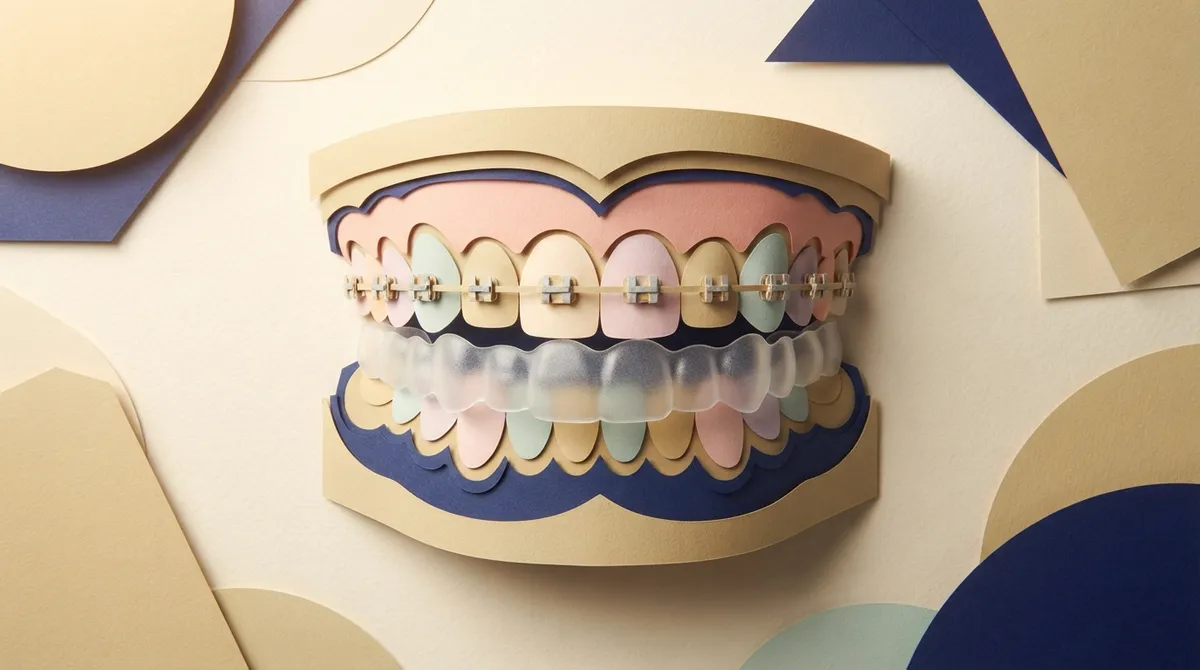
Braces often suit complex tooth movements and precise bite settling, while clear aligners can work well for selected mild-to-moderate cases when worn as directed.
-
Research comparing aligners and braces is mixed and often low quality, so no single option is best for everyone; the right choice depends on your specific bite.
-
Age matters: growing children may benefit from growth-guiding appliances or palatal expanders, while adults with large jaw differences may need orthodontics combined with surgery.
-
Retainers are essential after treatment because teeth naturally drift back, so ask about your retention plan during your consultation.
Have you ever wondered why your friend got clear aligners while your cousin needed braces, even though both wanted straighter teeth? The answer often comes down to one thing: the bite. How your upper and lower teeth meet shapes almost every decision in your treatment plan. Understanding how bite alignment affects treatment choice can help you feel calm and confident before your first visit.
Straight-looking teeth are only part of the story. A healthy bite also means your teeth contact well, your jaws work together, and your results can last. That is why a good orthodontist looks at much more than your smile in the mirror.
In this friendly guide, we will walk through the main bite types, the tools orthodontists use, and what to expect at your visit. Whether you are a parent planning for your child, a teen eager for a new look, or an adult thinking about treatment again, you will find clear, honest answers here. At Brockway Orthodontics in Clearwater, Florida, we believe informed patients make the happiest patients.
What Bite Alignment Really Means
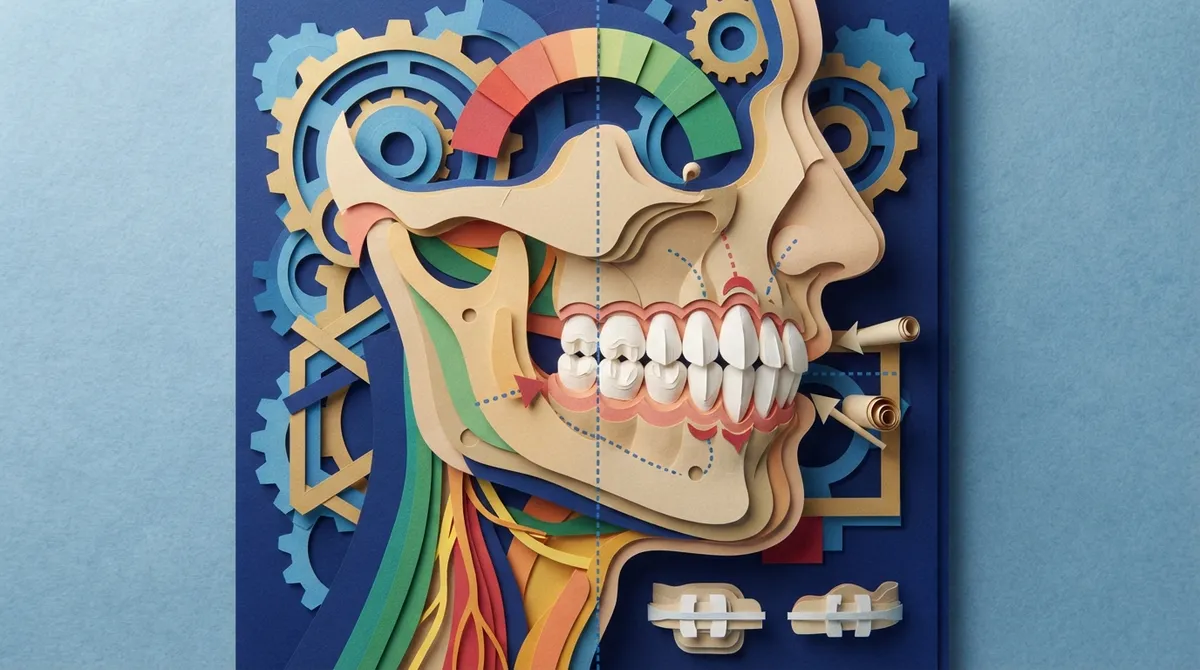
Bite alignment, also called occlusion, describes how your upper and lower teeth fit together when you close your mouth. A well-aligned bite spreads chewing forces evenly. It also helps with speaking and supports healthy gums and jaw joints.
When the fit is off, we call it a malocclusion. Orthodontists look at two layers when they study a bite:
- Tooth position: Are the teeth crowded, spaced, rotated, or tilted?
- Jaw relationship: Are the upper and lower jaws a good match in size and position?
This second layer matters a lot. Two people can both have an overbite, yet one case comes from tilted front teeth while the other comes from a smaller lower jaw. Those two cases may need very different plans. If you want a deeper look at why a bite check comes first, read why a bite assessment matters before teeth straightening.
Common Bite Problems and What They Mean for Treatment
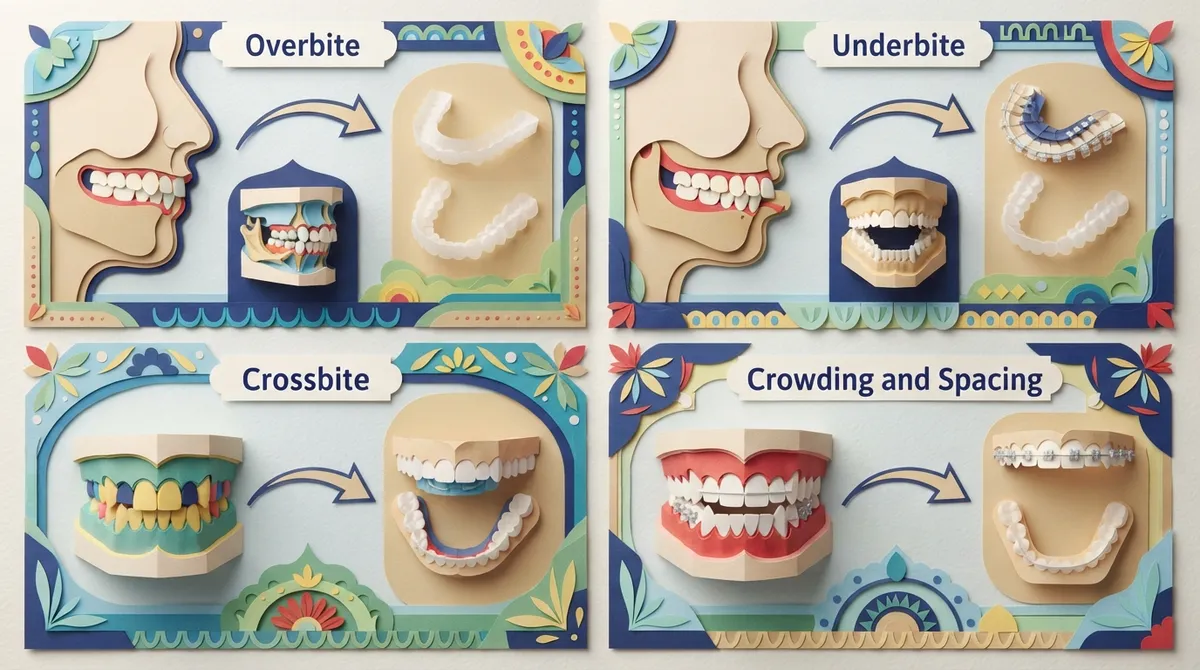
Each bite type creates its own set of needs. Here is a quick tour of the most common ones.
Overbite
An overbite happens when the upper front teeth cover too much of the lower front teeth. Some overbites are mostly about tooth position. Others involve the jaws. Mild cases may respond well to braces or aligners, while bigger jaw differences may need extra tools. Our guide on how braces fix a deep overbite explains the process in more detail.
Underbite
With an underbite, the lower teeth sit in front of the upper teeth. This often points to a jaw growth pattern. In growing kids, early care can guide development. In adults, the plan depends on how large the jaw difference is. You can learn more in how to fix an underbite.
Crossbite
A crossbite means some upper teeth fit inside the lower teeth instead of outside. It can affect one tooth or a whole side of the mouth. Narrow upper jaws are a common cause in children. See what crossbite treatment is and whether you need it for the full picture.
Open Bite
An open bite leaves a gap between the upper and lower front teeth when the back teeth are closed. Habits and jaw growth can both play a part. Some open bites are harder for aligners to close, so the plan needs care.
Crowding and Spacing
Crowding means there is not enough room for all the teeth. Spacing means there is extra room. Both are often tooth-based problems, but they can also affect how the bite settles. Read more in spacing versus crowding in orthodontics.
| Bite Problem | What You May Notice | Common Planning Questions |
|---|---|---|
| Overbite | Upper front teeth cover lower teeth deeply | Is it dental, skeletal, or both? |
| Underbite | Lower teeth sit ahead of upper teeth | Is jaw growth involved? What is the patient’s age? |
| Crossbite | Upper teeth bite inside lower teeth | Is the upper jaw narrow? |
| Open bite | Front teeth do not touch | Are habits or jaw growth the cause? |
| Crowding | Overlapping or twisted teeth | How much space is needed? |
Dental vs. Skeletal: The Big Question
One of the first things an orthodontist decides is whether a bite problem is mostly dental or skeletal. This shapes the whole plan.
A dental problem comes from how the teeth sit in the bone. Teeth can be moved with braces or aligners to fix it. A skeletal problem comes from the size or position of the jaws themselves. Teeth alone may not fully solve it.
Think of it like a puzzle. If the pieces are just turned the wrong way, you can rotate them. If the board itself is the wrong shape, you need a different approach. That is why records, photos, and imaging matter so much. Learn how this works in what orthodontic X-rays can help evaluate.
Braces or Clear Aligners: How the Bite Guides the Choice
Here is some good news. Both braces and clear aligners can correct many bite problems. The right pick depends on the details of your bite and your daily habits.
When Braces Often Make Sense
Fixed braces stay on your teeth the whole time. That gives your orthodontist steady, continuous control. They are often a strong fit when treatment needs:
- Complex tooth movements, like significant rotations or root control
- Precise bite settling at the end of treatment
- Help from elastics to correct the way the jaws line up
- A patient who may struggle to wear removable trays all day
Brockway Orthodontics offers both metal braces and ceramic (clear) braces. Not sure which style suits you? Compare them in metal vs ceramic braces.
When Clear Aligners Can Work Well
Clear aligners are removable and nearly invisible. They can suit selected mild-to-moderate cases when the patient wears them as directed. Many people love the comfort and the easy cleaning routine. At Brockway Orthodontics, we offer Spark™ Clear Aligners, a more affordable alternative to Invisalign. You can see how they work in what Spark Clear Aligners are.
That said, aligners need teamwork. Some cases use small tooth-colored attachments, elastics, or extra refinement trays to reach the goal. Whether aligners fit your bite cannot be guessed from a photo. It takes a hands-on exam and records. Our guide on what makes someone a clear aligner candidate can help you prepare.
| Factor | Fixed Braces | Clear Aligners |
|---|---|---|
| Control of tooth movement | Continuous and clinician-directed | Depends on wear and tray fit |
| Best for | Complex or precise bite corrections | Selected mild-to-moderate cases |
| Patient responsibility | Care for the brackets and wires | Wear trays as directed each day |
| Possible add-ons | Elastics, expanders, anchors | Attachments, elastics, refinement trays |
| Appearance | Metal or ceramic options | Nearly invisible |
What the Research Says (Honestly)
It is tempting to ask which one is simply “better.” The honest answer is that the research is mixed. A 2025 systematic review looked at 21 randomized controlled trials with 970 participants. It found no significant difference between aligners and fixed appliances in the main outcome measures it studied. But the review also rated the overall quality of the evidence as low.
A 2024 review of treatment time in mild-to-moderate crowding found low-certainty evidence and no significant difference in duration between aligners and fixed appliances. An older 2019 review reported that aligners might be less effective for things like occlusal contacts and expansion, though it also reported shorter treatment time with aligners.
A 2024 umbrella review put clear aligner accuracy in a range of 55 to 82 percent across the studies it covered. It also noted limits for some movements, such as large rotations and certain deep-bite or open-bite corrections. These numbers are not a promise for any one patient. They simply remind us that case selection matters.
So what does this mean for you? No single method wins for everyone. The best plan fits your bite, your goals, and your lifestyle. For more on how the two options compare, see which is right for you: clear aligners vs braces.
How Age and Growth Change the Plan
Age plays a big role in how a bite problem is handled. A growing child has jaws that are still developing. That gives an orthodontist more options to guide growth.
For Children and Teens
In some growing kids, an orthodontist may use a growth-guiding appliance or a palatal expander to make room and improve how the jaws fit. This can make later treatment simpler. Parents often ask when to start. Many families schedule a first check-up around age 7, which is an evaluation and not always treatment. Learn more in why early evaluation isn’t treatment and our palatal expander guide.
Teens are often eager for a discreet look before big life moments like graduation. Many teens do well with either braces or aligners, depending on their bite and how reliably they can wear trays. See how growth affects a teenager’s orthodontic plan for helpful details.
For Adults
Adult jaws have finished growing. Most adult bite problems can still be improved with tooth movement. But adults with large jaw-size differences may need orthodontics combined with jaw surgery rather than tooth movement alone. Your gum health and dental history also matter. Explore how to fix bite alignment problems at any age and why overbite correction works differently for adults.
When Jaw Surgery Enters the Picture
The idea of jaw surgery can sound scary, so let us keep it simple. It is only considered in selected skeletal cases. This is when the jaws are so different in size or position that moving teeth alone cannot give a stable, healthy result.
In these cases, an orthodontist works as part of a team. Braces usually come first to line the teeth up, then surgery adjusts the jaw, and braces finish the bite. Most patients never need this path. But a thorough exam makes sure you know your real options, with no surprises.
Other Things That Shape Your Plan
Bite type is the star, but it is not the only factor. Your orthodontist also looks at:
- Gum and oral health. Healthy gums and teeth come first. Cavities and gum concerns are treated before or alongside orthodontics.
- Dental history and past work. Crowns, bridges, and missing teeth can change what movements are possible.
- Your goals. Some people want the fastest path. Others care most about looks or comfort.
- Daily habits. Thumb sucking, mouth breathing, and grinding can all affect a bite.
- Budget and schedule. A plan should work for real life, including payments and appointments.
Curious how your history guides the plan? Read how dental history informs a bite assessment. And since cost is often on parents’ minds, how treatment complexity affects orthodontic fees is a helpful read.
What to Expect at Your Bite Evaluation
A good evaluation feels friendly, not rushed. Here is the usual flow:
- A conversation. We ask about your goals, concerns, and health history.
- A careful exam. We check how your teeth, gums, and jaws fit together.
- Records. This may include photos, digital scans, and imaging. Digital impressions mean no messy molds.
- Diagnosis. We decide whether your bite issue is mostly dental, skeletal, or a mix.
- Your options. We explain each choice in plain language, including pros and limits.
Dr. Brockway takes time to listen to your hopes for your smile, so you feel comfortable and informed from start to finish. You can learn what to expect at your orthodontist consultation in Clearwater. To see what Clearwater patients say about their visits, check out Visit us on Google — Brockway Orthodontics.
Why Retainers Matter for Every Bite
Correcting a bite is a big win, and keeping it takes a plan. Teeth naturally want to drift back over time. A retainer helps hold your new bite in place so the effort pays off for years.
Retainers come in several styles, including removable clear ones and thin bonded wires behind the teeth. The right type depends on your case. Learn how they compare in fixed vs removable retainers, and find out why retainers matter after braces. If you had treatment before and noticed shifting, you might be seeing relapse. Our list of orthodontic relapse warning signs can help you spot it early.
Tips for Making Smart Treatment Choices
Here are a few simple ways to feel ready before you decide:
- Ask what kind of bite you have. Knowing the name and cause helps everything else make sense.
- Ask if it is dental or skeletal. This tells you a lot about your options.
- Be honest about your habits. If you often forget things, say so. It can help choose between removable and fixed options.
- Ask about retention. A good plan includes how you will keep your results.
- Get your questions answered. There are no silly questions in orthodontics.
For a handy list, try 13 questions to ask at an orthodontic consultation.
Take the Next Step With Brockway Orthodontics
Your bite is the foundation of your treatment plan, and it deserves a careful look from someone who listens. At Brockway Orthodontics, we serve the whole family in Clearwater, from kids and teens to adults who want a confident, healthy smile. With modern digital tools, 3D imaging, and a caring approach, we help you understand every step.
Ready to find out what your bite needs? Book your free consultation online and let Dr. Brockway walk you through your best options. You can also contact us with any questions first. For more news and smile tips, follow along with the Florida Association of Orthodontists for trusted professional resources, and visit the American Dental Association for general oral health guidance. We cannot wait to meet you!
FAQs
Q: How does my bite affect whether I need braces or clear aligners?
A: Your bite tells us which tooth movements are needed and whether your jaws are part of the problem. Simple, mild-to-moderate bite issues may suit aligners, while complex ones often do better with braces. We decide after a hands-on exam and records, so you get a plan built just for you.
Q: Can clear aligners correct an overbite, underbite, or crossbite?
A: They can help in some selected cases, especially milder ones, often with extras like elastics or attachments. Some corrections, like certain deep bites or open bites, can be harder for aligners. A careful exam is the only way to know if they fit your bite.
Q: When does a bite problem need jaw surgery as well as orthodontics?
A: Jaw surgery is considered in selected skeletal cases, usually in adults whose jaws are very different in size or position. In those cases, tooth movement alone may not give a stable result. Most patients never need surgery, and we will talk through every option openly.
Q: Why do I need a retainer after my bite is corrected?
A: Teeth naturally try to drift back toward their old positions. A retainer holds your new bite steady while the bone and gums settle around your teeth. Wearing it as directed is the best way to protect the smile you worked hard for.
Q: Does a child’s age or growth affect treatment for a bite problem?
A: Yes, it can make a real difference. In growing children, an orthodontist may use a growth-guiding appliance or palatal expander to help the jaws develop well. That is why an early check-up around age 7 can be so helpful, even if treatment starts later.
Our Service Area