Key Takeaways
-
Retainers are essential after braces because bone and gum tissue are still settling, and teeth can drift back toward their original positions without them.
-
Always follow your own orthodontist's wear schedule rather than generic advice from online forums or friends, since every bite and treatment plan is different.
-
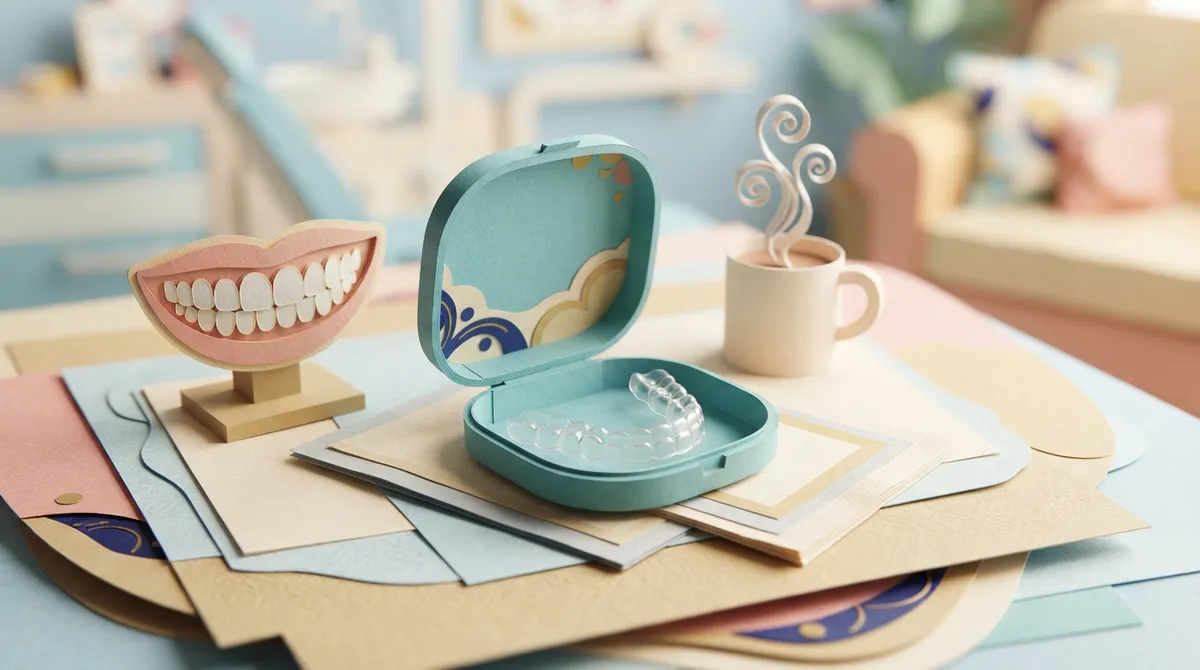
Take removable retainers out before eating and store them in their case, never wrapped in a napkin, to prevent damage and accidental loss.
-
Keep retainers away from heat such as hot water, dishwashers, and hot cars, since heat can warp plastic appliances.
-
Never force a tight or ill-fitting retainer onto your teeth or try to adjust it yourself; call your orthodontist promptly if it feels tighter than usual, cracked, or loose.
-
Call your orthodontist quickly if you lose or break a retainer, and address early signs of shifting like new crowding or gaps before they become bigger problems.
The day your braces come off feels like a victory lap. Your teeth look great, your smile feels brand new, and you can finally eat popcorn again. But here is the part nobody puts on the celebration cake: your smile still needs some care. That is where Clearwater orthodontic care after braces comes in.
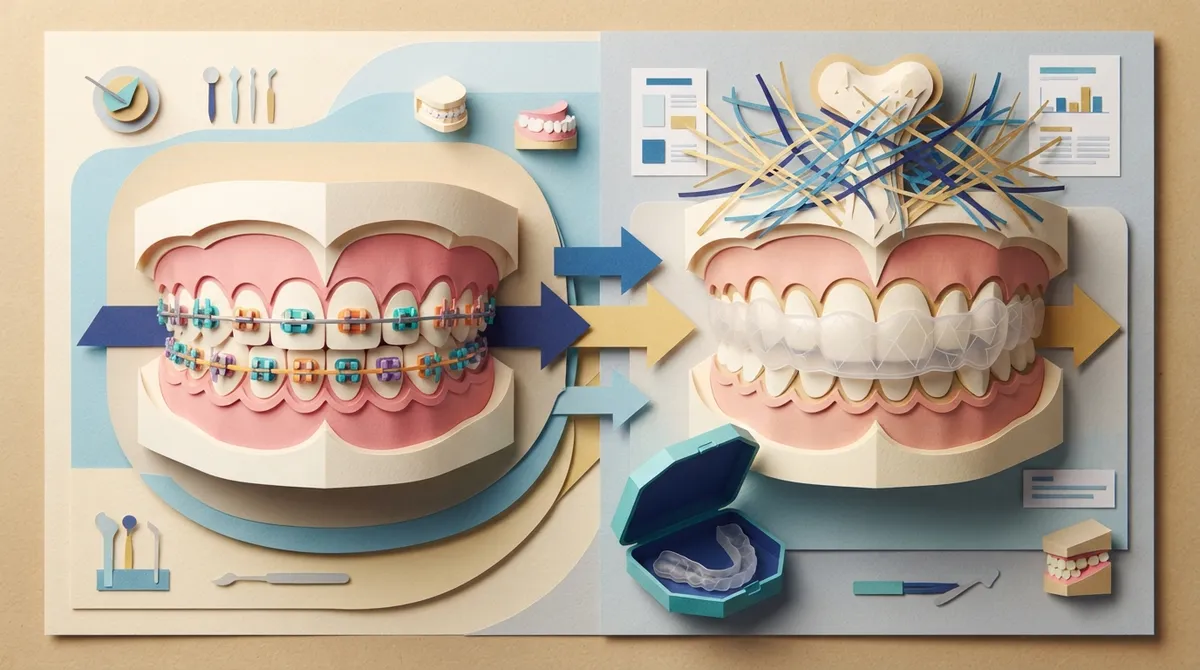
Braces move your teeth. Retainers help keep them there. Even after your teeth look perfect, the bone and gum tissue around them are still settling in. Without a plan, teeth can drift back toward where they started. The good news? The plan is simple, and you do not have to figure it out alone.
Whether you are a parent helping a teen through this stage, a busy adult who wants low-fuss habits, or someone who had braces years ago and noticed a little shifting, this guide is for you. Below are 11 friendly, practical tips to protect your results in 2026 and beyond. Always follow the exact instructions your own orthodontist gives you, because every smile is different.
1. Understand Why Retainers Come After Braces
Retainers are a standard final phase of orthodontic treatment, according to the American Association of Orthodontists (AAO). Think of your teeth like a freshly planted garden. They look settled, but the roots below need time to firm up. A retainer holds your teeth in their new spots while the supporting tissues adapt.
It also helps to know that teeth are not set in concrete. Normal life, like chewing, aging, and even resting your tongue, can nudge teeth over time. A retainer is simply your smile’s insurance policy. If you want to dig deeper into this idea, our guide on why retainers matter after braces breaks it down in plain language.
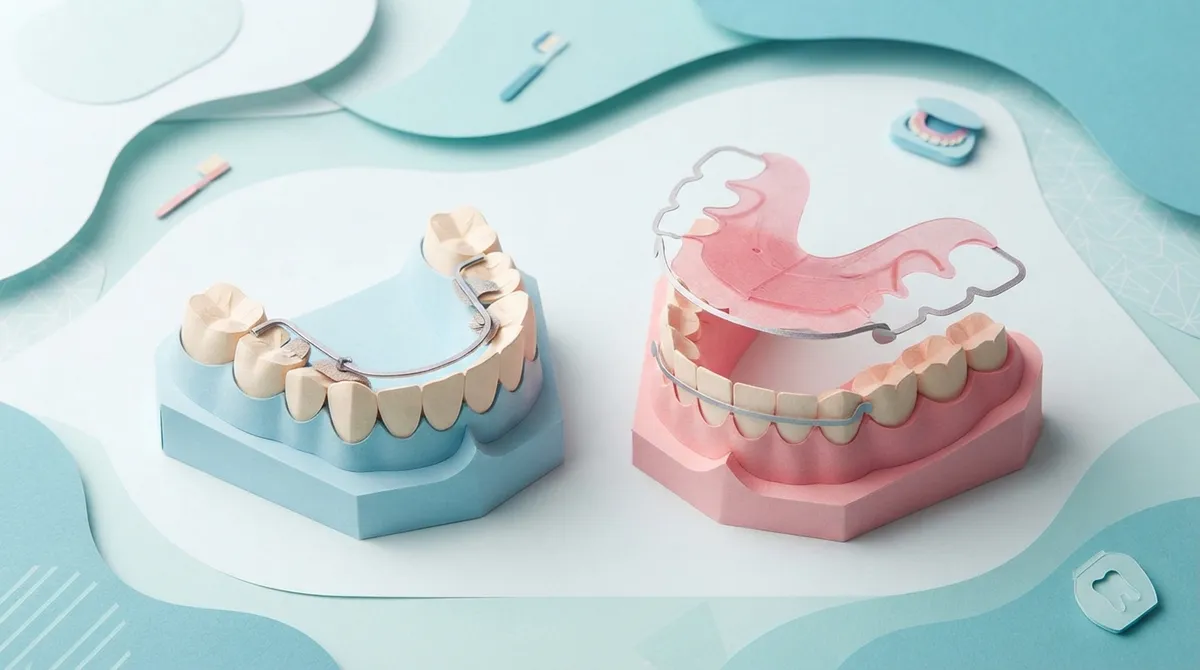
2. Learn the Difference Between Fixed and Removable Retainers
Not every retainer looks the same. Your orthodontist will choose the type that fits your bite, your habits, and your goals. Here is a quick comparison.
| Feature | Fixed Retainer | Removable Retainer |
|---|---|---|
| What it is | A thin wire bonded behind the teeth | A clear tray or wire-and-acrylic appliance you take in and out |
| Who handles wear | Always in place | You, following your wear schedule |
| Cleaning | Brush around the wire and use floss aids | Gentle regular cleaning and safe storage |
| Main watch-out | Wire can loosen or break | Can be lost, warped, or forgotten |
Each style has strengths. If you are curious about the tradeoffs, read Fixed vs. Removable Retainers: Which One Wins? and Fixed Bonded Retainer: Keep Your Smile Straight for Life.
3. Follow Your Own Wear Schedule, Not a Generic One
This is the tip that matters most. There is no single schedule that works for everyone. Some patients wear a retainer full time at first, then switch to nights only. Others follow a different pattern based on their bite and treatment history.
Your orthodontist sets your schedule for a reason. Online forums and friends may mean well, but they are not looking at your teeth. If you are unsure what your plan is, simply ask at your next visit. You can also read why retainer schedules differ between patients to feel more confident about your own routine.
4. Plan for Long-Term Retainer Use
Here is the honest truth. The AAO notes that retainers are typically needed long term and may even be needed for a lifetime. That sounds like a lot, but it usually gets easier. Many patients wear their retainers less often as time goes on, and the frequency can change over the years.
Think of it like brushing your teeth. It becomes a quiet daily habit, not a big deal. A few minutes of care protects the smile you invested in. For a friendly look at this long-term mindset, see Retainers for Life: Why Your Smile Needs Them Forever.
5. Take Removable Retainers Out for Eating
Unless your orthodontist tells you something different, take your removable retainer out before you eat. Chewing with a retainer in can damage it. It can also trap food and sugar against your teeth.
Here is a simple routine that works for most people:
- Take the retainer out before your meal or snack.
- Place it right in its case, never in a napkin or on a tray.
- Enjoy your food.
- Brush your teeth, then put the retainer back in.
The napkin rule is important. Retainers wrapped in napkins have a funny way of ending up in the trash. Make the case your retainer’s home base.
6. Clean and Store Your Retainer Safely
A clean retainer is a happy retainer. Clean removable retainers regularly and gently, following your orthodontist’s instructions. Heat is the big enemy here, because it can warp plastic appliances. That means no hot water, no dishwasher, and no leaving it on the dashboard of a Florida car.
Quick care checklist:
- Rinse your retainer after you take it out.
- Clean it gently, using the method your orthodontist recommends.
- Store it in its case whenever it is not in your mouth.
- Keep it away from heat, sun, and curious pets.
Clearwater sunshine is lovely, but it is tough on plastic. For more detail, check why hot water can warp retainers and how to care for your dental retainer the right way. If you have a pup who loves chewing things, these pet-proofing habits may save you a replacement.
7. Care for a Fixed Retainer the Right Way
If you have a bonded wire behind your teeth, cleaning takes a little extra attention. Plaque and tartar love to hide around that wire. Brush carefully around it and clean between teeth with floss threaders, interdental brushes, or a water flosser, depending on what your orthodontist suggests.
Avoid biting down on very hard foods or using your front teeth to tear into things. Those habits can loosen or bend the wire. If you want a full routine, read how to care for a permanent retainer after braces and avoid common slip-ups in 7 Permanent Metal Retainer Mistakes to Avoid in 2026.
8. Know the Signs Your Retainer Needs Attention
Your retainer should feel snug and comfortable, not painful. Contact your orthodontist if your retainer is loose, cracked, damaged, or unusually tight, or if it simply no longer fits. A tight retainer can be a sign that your teeth have started to shift.
Whatever you do, do not force it. Pushing an ill-fitting retainer onto your teeth can hurt them and damage the appliance. Do not try to bend or adjust it yourself either. Our article on why you should not force an ill-fitting retainer explains the risks, and why a retainer feels tight all of a sudden covers common causes.
Quick warning signs to watch for:
- A retainer that feels tighter than usual
- A visible gap or new crowding in your front teeth
- A broken wire or cracked tray
- Sore spots on your tongue or gums
9. Keep Up With Check-Ins and Dental Visits
Your teeth do not stop being part of your orthodontic story when the braces come off. Ask your treating provider about retainer checks and how often to come in. A quick check can catch a small fit issue before it turns into a bigger one.
Regular dental cleanings matter too. Your general dentist keeps your gums and enamel healthy, while your orthodontist keeps an eye on alignment. They work as a team. To see how that partnership works, take a look at why orthodontic checkups matter so much. For families who want long-term guidance, long-term orthodontic follow-up questions to ask in 2026 is a helpful list to bring with you.
10. Have a Plan for Lost, Broken, or Old Retainers
Retainers get lost. Pets chew them. Teens leave them at friends’ houses. It happens to everyone, so do not panic or feel embarrassed. The key is to call your orthodontist quickly, because the longer you go without a retainer, the more your teeth can move.
If you have moved or changed providers, ask about how to coordinate care so your records and replacement options are easy to find. Here is a simple order of steps if things go wrong:
- Stop wearing a damaged or warped retainer.
- Call your orthodontist and explain what happened.
- Schedule a visit for a fit check or replacement.
- Ask about a backup retainer so you are covered next time.
For step-by-step help, see I Lost My Retainer: What to Do Next, 8 Smart Steps to Take When Your Retainer Breaks, and 5 Steps to Take When an Old Retainer No Longer Fits. If you are planning ahead, how to budget for retainer price after braces in 2026 can help you prepare for the cost of a replacement.
11. Do Not Ignore Early Signs of Shifting
Even careful patients can notice small changes years later. Maybe your lower front teeth look a bit more crowded, or a small gap has opened up. If you spot this, do not wait and hope it fixes itself. Early attention often means simpler options.
Adults who had braces long ago sometimes wonder whether it is too late to do anything. Often it is not. A quick evaluation can show whether a new retainer, a short round of aligners, or another approach makes sense. Our guide on why teeth can shift years after braces and 9 clues teeth are moving will help you spot the signs. If you need a new plan, adult orthodontic retreatment options are worth a look.
How Aftercare Fits Different Patients
Every patient’s after-braces journey looks a little different. Here is how the tips above tend to apply to different groups.
| Patient | Biggest Focus | Helpful Habit |
|---|---|---|
| Parents of kids and teens | Building routines and avoiding lost retainers | Keep a case in the backpack and one at home |
| Teens and young adults | Remembering wear time around busy schedules | Tie retainer wear to a daily habit like brushing |
| Adult professionals | Low-fuss, discreet maintenance | Keep a spare case at work and in your bag |
| Patients with relapse | Early evaluation and a fresh plan | Book a visit at the first sign of shifting |
| Health-conscious patients | Gum health around retainers | Pair retainer care with regular cleanings |
For parents, how parents can help kids build appliance care habits and helping teens keep track of retainers offer simple, kind ways to keep everyone on track.
Local Care in Clearwater, Florida
After-braces care is really about having a friendly local team you trust. In Clearwater, that means someone who knows your history, checks your retainer fit, and helps if something breaks. Brockway Orthodontics is happy to be that team for families across the area.
Dr. Brockway takes the time to listen and explain, so you always know what to expect. The practice also uses modern tools like digital impressions, so replacement retainers do not require messy molds. If you would like to see what neighbors say about their experience, you can visit us on Google — Brockway Orthodontics. For general dental and orthodontic information, the American Dental Association and the Florida Association of Orthodontists are also good resources, and the American Association of Orthodontists retainer guidance explains why long-term retention is so common.
Wrapping Up Your After-Braces Plan
Finishing braces is a huge milestone, and you should be proud. Now the goal is simple: protect the smile you worked so hard to earn. Wear your retainer as directed, keep it clean and safe, never force a tight one, and show up for your checkups. Small habits add up to a smile that lasts.
If your retainer feels off, you have lost it, or you just want a fresh look at your smile, we are here to help. Book your appointment online or contact our Clearwater team with any questions. We would love to keep your smile feeling great for years to come.
FAQs
Q: How long do I need to wear a retainer after braces?
A: It depends on your own treatment plan, so follow what your orthodontist tells you. The American Association of Orthodontists notes that retainers are often needed long term, and wear frequency may change over time. Ask at your next visit if you are not sure what your schedule should be.
Q: What should I do if my retainer feels tight or no longer fits?
A: Do not force it or try to adjust it yourself. A tight or loose retainer can mean your teeth have shifted or the appliance is damaged, so call your orthodontist for a quick check. Catching it early usually keeps things simple.
Q: How do I clean and store my retainer safely?
A: Rinse it after you take it out and clean it gently using your orthodontist’s method. Keep it in its case when it is not in your mouth, and avoid heat like hot water or a hot car, since it can warp plastic retainers.
Q: Can teeth shift after braces if I stop wearing my retainer?
A: Yes, they can. Teeth tend to drift over time, which is why retainers are such an important final step. If you have stopped wearing yours and notice changes, schedule a visit so your orthodontist can review your options.
Q: Where can I get a replacement retainer in Clearwater, Florida?
A: Start by contacting your treating orthodontist, since they know your bite and your records. Brockway Orthodontics can help Clearwater families with retainer checks and replacements, so reach out and we will guide you through the next steps.
Our Service Area