Key Takeaways
-
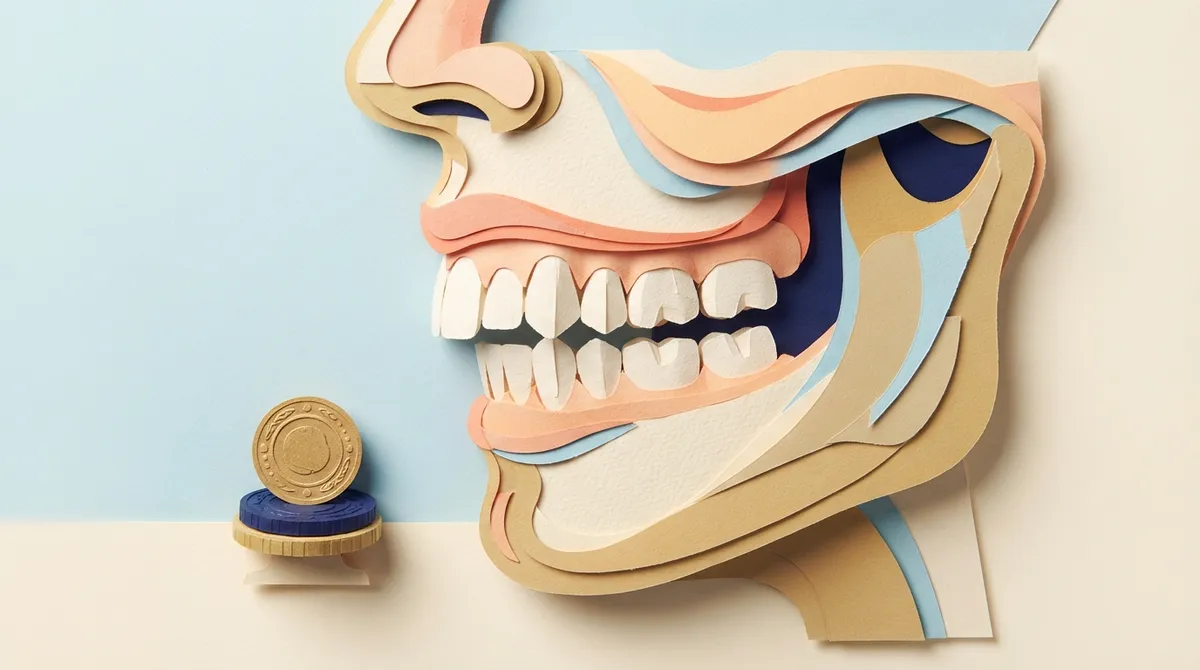
An overjet is the horizontal gap between upper and lower front teeth when the mouth is closed; about 2 mm is considered typical, roughly the thickness of two stacked pennies.
-
Overjet is horizontal (front to back), while overbite is vertical (top teeth covering bottom teeth); a person can have one, the other, or both.
-
Definitions of 'increased' overjet vary, with studies using cutoffs from about 2.5 mm to over 6 mm, so an orthodontist evaluates the whole bite rather than one number.
-
A significant overjet tied to jaw or tooth position often does not resolve on its own as a child grows, so early orthodontic evaluation (often around age 7) helps determine whether to wait or act.
-
Common contributors include inherited jaw and tooth traits, jaw position differences (often Class II), thumb sucking, prolonged pacifier use, and tongue thrusting.
-
Treatment options include braces, clear aligners, growth-guiding appliances for young patients, and combined orthodontics with jaw surgery only in severe cases; a mouthguard is advisable during sports to protect exposed front teeth.
Have you ever looked in the mirror and noticed your top front teeth sit a bit farther forward than your bottom ones? Or maybe your child’s smile has you wondering what’s normal and what’s not. If so, you may be asking a common question: what is an overjet?
In simple terms, an overjet is the horizontal gap between your upper front teeth and your lower front teeth when your mouth is closed. A small amount is perfectly normal. A bigger gap can sometimes need a closer look from an orthodontist.
The good news? Understanding your bite is the first step toward feeling confident about it. In this friendly guide, we’ll walk through what an overjet is, how it’s measured, what causes it, and what treatment options may help. Whether you’re a parent, a teen, or an adult thinking about a smile upgrade, you’ll leave with clear, practical answers.
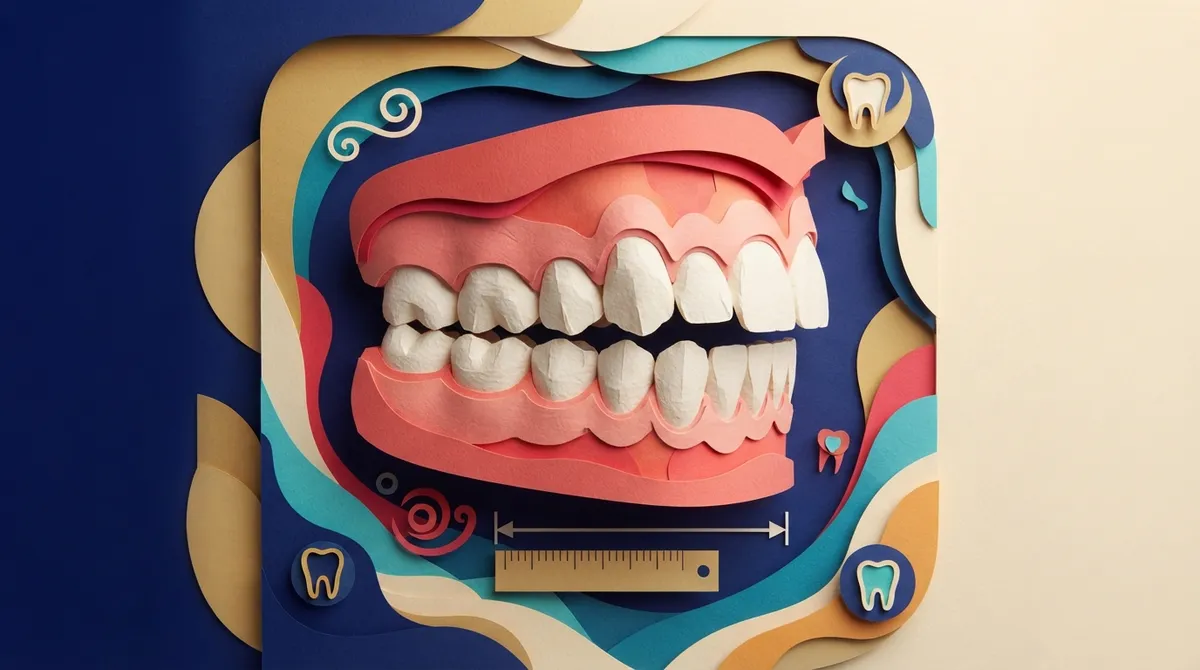
What Is an Overjet? A Simple Definition
So, what is an overjet? It’s the distance your upper front teeth stick out past your lower front teeth, measured front to back. Picture closing your mouth gently. The space between the back of your top teeth and the front of your bottom teeth is your overjet.
Many people call a larger overjet “buck teeth.” That’s a casual term, but the clinical idea is the same: the upper teeth project forward more than usual.
Here’s the important part. Having some overjet is normal. Cleveland Clinic describes about 2 mm as typical. Think of it like the thickness of two stacked pennies. Anything much beyond that is where an orthodontist may start looking more closely.
Why the Measurement Matters
Overjet is just one piece of your bite puzzle. Orthodontists look at it alongside your jaw position, tooth alignment, and overall oral health. A number alone doesn’t tell the whole story, so a professional exam always comes first.
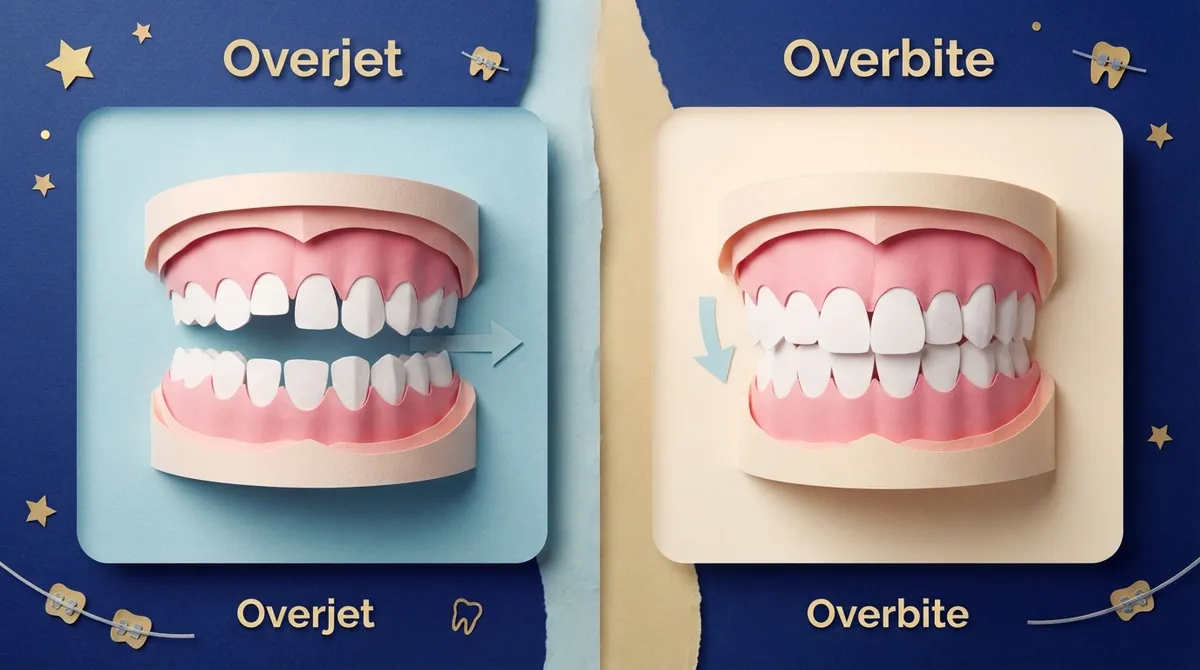
Overjet vs. Overbite: Spot the Difference
These two terms get mixed up all the time. Here’s an easy way to remember them:
- Overjet is horizontal. It’s how far the top teeth stick out forward.
- Overbite is vertical. It’s how far the top teeth cover the bottom teeth up and down.
You can have one without the other, or both at the same time. If you’d like a deeper side-by-side look, our guide on the difference between overjet and overbite breaks it down clearly. And if vertical overlap is your main concern, you may enjoy what an overbite is, plus causes, signs, and fixes.
| Feature | Overjet | Overbite |
|---|---|---|
| Direction | Horizontal (front to back) | Vertical (up and down) |
| What you see | Top teeth stick out forward | Top teeth cover bottom teeth |
| Typical measurement | About 2 mm is common | Varies by person |
| Can occur alone? | Yes | Yes |
How to Measure an Overjet Step by Step
Orthodontists use simple tools and a trained eye. While you shouldn’t try to diagnose yourself at home, it helps to know what happens during an exam. Here’s the general process:
- Close your teeth together. You bite down naturally so the teeth rest in their usual position.
- Find the reference point. The orthodontist locates the edge of your upper front tooth.
- Measure the horizontal distance. A small ruler or probe measures how far the upper tooth sits ahead of the lower front tooth.
- Note the number. The result is recorded in millimeters.
- Look at the big picture. Your orthodontist checks your jaws, facial growth, and other bite features before deciding anything.
Sometimes imaging or dental records are used when clinically appropriate. Digital scans can also help plan treatment with great precision. You can learn how that works in our post on what orthodontic X-rays can help evaluate.
Why Definitions Vary
Here’s something interesting. Experts don’t all use the same cutoff for “increased” overjet. Studies often use numbers around 2.5 to 4 mm, and some use even higher ones. A 2022 systematic review of children and teens found researchers used cutoffs ranging from more than 2.5 mm up to more than 6 mm. That’s why your orthodontist looks at your whole bite, not just one number.
What Causes an Increased Overjet?
There isn’t one single cause. A dental professional looks at each person individually. Still, a few common factors show up again and again:
- Inherited traits. Jaw size and tooth shape often run in families.
- Jaw position differences. The upper jaw may sit forward, or the lower jaw may sit back. This is often linked to a Class II bite relationship.
- Thumb or finger sucking. Long-term habits can influence how front teeth line up.
- Prolonged pacifier use. Like other habits, extended use may affect tooth position.
- Tongue thrusting. Pushing the tongue against the front teeth can nudge them forward over time.
Please don’t feel guilty if your child had a pacifier or a sleepy thumb habit. It’s incredibly common, and it doesn’t mean anyone did something wrong. Genetics usually play a big role too. If habits are a concern, here’s when to discuss oral habits with an orthodontist.
How Common Is an Increased Overjet?
If you’ve noticed this in your own family, you’re in good company. Research shows it’s fairly common, though numbers vary by study and by how “increased” is defined.
- A 2019 study of 2,810 children aged 7 to 9 in Shanghai found that 40.8% had an overjet greater than 3 mm, and 5.2% had a severe overjet greater than 8 mm.
- A 2024 systematic review of primary-dentition studies reported a pooled prevalence of increased overjet of about 25.18%.
These figures come from specific groups and different cutoffs, so they aren’t a universal rule. The takeaway is simple: you are far from alone.
Why an Overjet Might Matter for You or Your Child
Not every overjet needs treatment. The importance depends on how large it is and how it fits into your overall bite and oral health. Still, a more pronounced overjet can sometimes affect:
- Injury risk. Upper front teeth that stick out may be more exposed to accidental bumps, especially during sports or play.
- Biting and chewing. Some people notice it’s harder to bite into certain foods.
- Appearance and confidence. Some people feel self-conscious about their smile in photos or at school or work.
Active kids are a perfect example. If your child plays contact sports, a protective mouthguard matters even more with braces on. We share helpful ideas in our post on sports mouthguard questions for patients with braces. You may also like our look at what an orthodontic evaluation shows for protruding front teeth.
Can an Overjet Fix Itself as a Child Grows?
This is one of the most common parent questions. The honest answer: it depends. As children grow, their jaws change, and some bite patterns shift. But a significant overjet tied to jaw position or tooth position often does not resolve on its own.
That’s why early check-ups are so helpful. An orthodontist can watch your child’s growth and tell you whether to wait, monitor, or start a plan. Many families begin around age 7. Our guide on age 7 vs. waiting explains how to decide. And remember, an early visit is an evaluation, not automatic treatment. We explain that difference in why early evaluation isn’t treatment.
Treatment Options for Overjet
Here’s the encouraging part. Orthodontists have several reliable ways to address an increased overjet. The right choice depends on your age, your growth, the cause, and your goals. Treatment is always individualized.
Braces
Traditional braces gently move teeth into better positions over time. They work well for many overjet cases, including more complex ones. You can choose metal braces or ceramic (clear) braces that blend in more with your teeth. Not sure which is best? Our comparison of metal vs. ceramic braces can help.
Clear Aligners
For suitable cases, clear aligners offer a nearly invisible way to straighten teeth. At Brockway Orthodontics, we offer Spark™ Clear Aligners, a more affordable alternative to Invisalign. Whether aligners fit your bite depends on how much movement is needed. See which bite problems clear aligners may fix and our overview of Spark™ Clear Aligners.
Appliances for Growing Patients
In some growing kids and teens, an orthodontist may use appliances like headgear or a Herbst appliance. These help guide jaw growth while teeth are still developing. Here’s a closer look at headgear vs. braces alone.
Orthodontics Plus Jaw Surgery
For a severe jaw discrepancy, treatment may combine orthodontics with jaw surgery. This is not the case for most people, and your orthodontist will discuss it only if it’s truly needed.
| Option | Best For | Key Benefit |
|---|---|---|
| Metal braces | Mild to complex cases | Reliable and versatile |
| Ceramic braces | Teens and adults wanting subtle looks | Tooth-colored brackets |
| Clear aligners | Suitable mild to moderate cases | Removable and discreet |
| Growth appliances | Growing patients with jaw differences | Guides jaw development |
| Orthodontics with surgery | Severe jaw discrepancies | Corrects the jaw foundation |
How Different Ages Approach an Overjet
Parents of Kids and Teens
If your child has noticeable front teeth, a quick evaluation gives you peace of mind. Early guidance can sometimes make later treatment simpler. Kids also do best when the conversation stays calm and positive. Our tips on calm talk vs. scary talk are a handy starting point.
Teens and Young Adults
Big events like graduation or prom can be great motivation. Modern options are more comfortable and discreet than ever. Teens may also enjoy these questions to ask an orthodontist.
Adult Professionals
It’s never too late. Many adults choose clear or ceramic options to keep treatment low-key at work. Learn why adults can get braces in 2026.
Relapse Patients
Did your teeth shift after earlier treatment? Relapse is common, especially without consistent retainer wear. Retreatment can be a great fit. Read about orthodontic relapse warning signs to see what to watch for.
What to Expect at Your Overjet Evaluation
Walking into an orthodontist’s office for the first time can feel a little nerve-wracking. Here’s what usually happens, so there are no surprises:
- A friendly conversation. You share your concerns, goals, and any history of habits or past treatment.
- A careful exam. Your orthodontist checks your bite, tooth contacts, and jaw relationship.
- Digital records when helpful. Scans or images may be taken to plan precisely.
- A clear explanation. You learn what’s causing the overjet and what options exist.
- A personal plan. You discuss timing, cost, and next steps at a comfortable pace.
You can read more in our first visit guide or learn how to prepare for your consultation.
Taking Care of Your Teeth During Treatment
Once treatment begins, daily habits make a big difference. Brushing well around brackets and wearing retainers as directed protect your results. Our friendly walkthrough on how to brush teeth with braces is a great place to start. After treatment, retainers help hold your new smile in place, so see how to care for your dental retainer.
For general oral health guidance, the American Dental Association is a trusted resource. You can also learn about specialist care through the Florida Association of Orthodontists, and you can read the original definition and overview at Cleveland Clinic’s overjet page.
Why Families Choose Brockway Orthodontics
If you’re looking for an orthodontist in Clearwater, Florida, Dr. Brockway truly cares about your journey. She listens to your concerns and dreams for your smile, then explains everything in a friendly, easy-to-understand way.
Brockway Orthodontics offers treatments for the whole family, including metal braces, ceramic braces, and Spark™ Clear Aligners. The practice also uses modern technology like digital impressions instead of messy molds and 3D imaging for precise planning. In certain cases, same-day treatment may be possible for busy families. See what neighbors are saying: Visit us on Google — Brockway Orthodontics.
Ready to Learn More About Your Smile?
Understanding what an overjet is puts you in the driver’s seat. Remember, a small overjet is normal, a larger one isn’t a emergency, and the right plan depends on you or your child. An evaluation is the best way to know for sure.
If you’re curious about your bite, we’d love to meet you. Book your appointment online or contact our friendly team with any questions. Your best smile is closer than you think.
FAQs
Q: What is the difference between overjet and overbite?
A: Overjet is the horizontal distance your upper front teeth stick out past your lower front teeth. Overbite is the vertical overlap, or how far the top teeth cover the bottom ones. You can have one, the other, or both, and an orthodontist can tell you which applies to you.
Q: What is a normal overjet measurement?
A: A small positive overjet is normal, and Cleveland Clinic describes about 2 mm as typical. Definitions vary, though, and studies often use cutoffs around 2.5 to 4 mm for increased overjet. Your orthodontist looks at your whole bite, not just one number.
Q: Can an overjet correct itself as a child grows?
A: Sometimes growth helps, but a larger overjet linked to jaw or tooth position often doesn’t resolve on its own. A friendly check-up lets your orthodontist watch your child’s growth and suggest the best timing. Many families start with an evaluation around age 7.
Q: How do braces or clear aligners fix an overjet?
A: Braces and aligners gently move the teeth into better positions over time, helping the upper and lower front teeth meet more comfortably. In some growing patients, appliances like headgear or a Herbst appliance may guide jaw growth too. Your orthodontist picks the approach that fits your bite, age, and goals.
Q: Can an overjet increase the risk of damaging front teeth?
A: A more pronounced overjet can leave the upper front teeth more exposed to accidental bumps, especially during sports. Wearing a mouthguard is a smart habit, and treatment may reduce that risk. Your orthodontist can talk through what makes sense for you or your child.
Our Service Area