Key Takeaways
-
Gaps between front teeth often have a specific cause (normal growth, tooth size mismatch, missing or small teeth, habits like tongue thrusting, or gum issues), and treating the cause helps prevent the gap from returning.
-
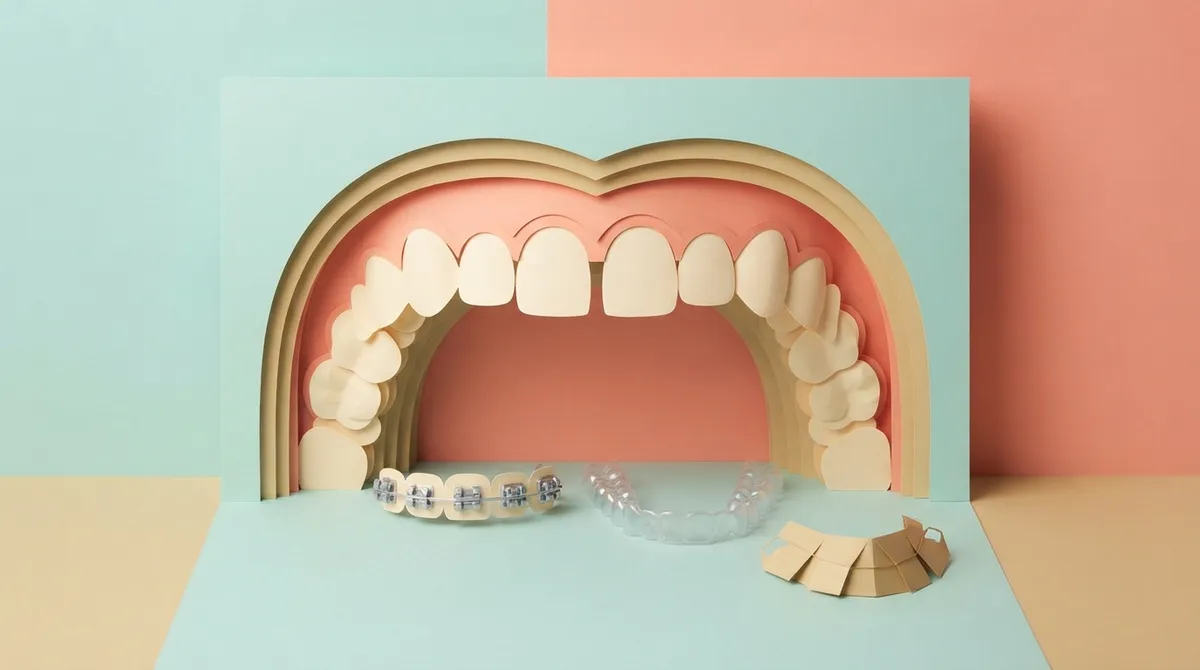
Braces are generally better for larger or complex gaps and bite problems, while clear aligners suit mild to moderate gaps and offer a discreet look but require consistent daily wear.
-
Gaps can reopen after treatment, so a retainer worn as directed is essential; ask your orthodontist for a written retention plan before treatment ends.
-
Many childhood gaps close on their own as permanent teeth come in, but a new or growing gap in an adult should be checked promptly for gum problems or shifting teeth.
-
Choose a Clearwater orthodontist who provides a full evaluation with imaging, explains all options including their limits, and gives you the treatment plan, costs, and retention plan in writing.
-
Treatment time varies with gap size, bite issues, age, and adherence to the plan; be cautious of promises of unusually fast results, since safe tooth movement takes time.
That little space between your front teeth might make you smile, or it might make you want to hide your grin in photos. Either way, you are not alone. Gaps are one of the most common reasons people start searching for a Clearwater orthodontist for teeth gaps. The good news? There are real, proven ways to close them.
The big question is which tool to use. Should you choose braces or clear aligners? Both can close gaps. Both have strengths. And the right pick depends on your teeth, your bite, and your daily life.
In this friendly guide, we will walk through what causes gaps, how each option works, and how to decide. We will also cover retainers, because keeping a closed gap closed is just as important as closing it. Think of this as a chat with a helpful friend who happens to know a lot about smiles.
What Is a Teeth Gap, Anyway?
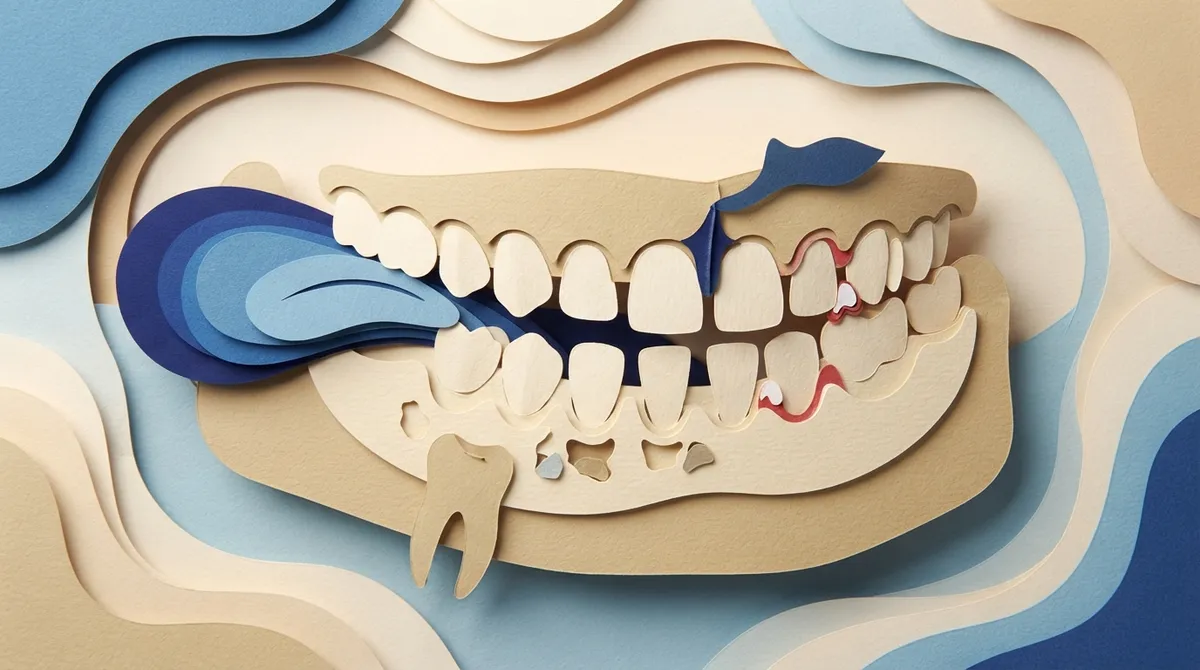
A gap between teeth is called a diastema. The word often describes a space between the two upper front teeth. But gaps can show up anywhere in the mouth.
Not every gap is a problem. In fact, a gap can be a normal stage of growing up. Research cited by the American Association of Orthodontists notes midline spacing in about 98% of children at age 6, about 49% at age 11, and about 7% of people ages 12 to 18. As permanent teeth come in, many of those spaces shrink or close on their own.
Adults are a different story. Studies on adult gaps report a wide range, from about 3.7% to 36.8% depending on the group studied and how a gap was defined. So there is no single “normal” number. What matters is whether your gap is stable, bothers you, or is changing.
If a gap is new or growing in an adult, get it checked. Sometimes that is a sign of gum trouble or shifting teeth, and an exam can sort it out.
Why Gaps Happen
Knowing the cause matters. If you only close the visible space, the real issue may stay behind and the gap may return. Common causes include:
- Normal growth: Baby teeth and young permanent teeth often have spaces.
- Size mismatch: Teeth that are small compared to the jaw leave extra room.
- Missing or small teeth: A tooth that never formed, or a small peg-shaped tooth, can leave a gap.
- Oral habits: Tongue thrusting or thumb sucking can push teeth apart.
- Gum disease: Weak gum support can let teeth drift and spread.
- A strong frenum: The small tissue band between the lip and gums can sometimes play a role in a midline gap.
Curious about the full list? Our guide on what causes gaps between teeth goes deeper. And if your spacing is uneven, see uneven spacing between front teeth.
What a Clearwater Orthodontist Looks At First
Before picking braces or aligners, an orthodontist studies the whole picture. A good visit is more than a quick look at one gap. It usually covers:
- Your teeth and bite: How your teeth meet and whether other issues sit behind the gap.
- Your gum health: Healthy gums are needed before teeth are moved.
- Imaging: Digital scans or X-rays can show roots, bone, and missing or extra teeth.
- The likely cause: This guides the plan and the retention strategy.
- Your goals: What you want your smile to look like, and how fast.
This is where seeing a specialist helps. An orthodontist is trained to move teeth and manage bite and jaw growth. If you are wondering how that differs from a regular dentist visit, read orthodontist vs. dentist: which one do you actually need.
At Brockway Orthodontics, Dr. Brockway takes time to listen first. She wants to hear your concerns and dreams for your smile before suggesting a plan. That chat sets the tone for everything that follows.
Braces for Teeth Gaps: How They Work
Braces use brackets and a wire to guide teeth into new spots. Gentle, steady pressure moves teeth over time. For gaps, the orthodontist can close space and also fix bite or alignment at the same time.
At Brockway Orthodontics, braces come in two main looks: classic metal braces and ceramic (clear) braces. Metal braces are strong and reliable. Ceramic braces blend in better with natural teeth. If you want to compare those two, see metal vs. ceramic braces.
Where braces shine
- Bigger or more complex gaps: Braces give the orthodontist constant control.
- Gaps plus bite problems: Fixed braces handle many bite issues well.
- No wear-time worries: They work all day, every day, so nothing depends on you remembering.
- Younger patients: Kids and teens who may forget to wear a removable tray often do well with braces.
Things to keep in mind
- You will need to brush and floss with extra care around brackets.
- Some foods, like sticky candy or hard snacks, are off the menu. Our friendly food guide makes this easy.
- Sore teeth after an adjustment are common but usually fade in a few days.
Clear Aligners for Teeth Gaps: How They Work
Clear aligners are custom plastic trays. You swap to a new set every so often, and each set moves your teeth a small step. They are nearly invisible, which is a big plus for adults and teens who want a discreet option.
Brockway Orthodontics offers Spark™ Clear Aligners, a more affordable alternative to Invisalign. Learn more in our guide to what Spark Clear Aligners are.
Where aligners shine
- Mild to moderate spacing: Many gap cases are a great fit.
- Discreet look: Busy professionals and young adults often love this.
- Removable: You can take them out to eat and to brush and floss as usual.
- Digital planning: A 3D scan helps map the plan before you start.
Things to keep in mind
- Aligners only work when you wear them as prescribed, usually most of the day.
- Trays need daily cleaning. See how to clean clear aligners.
- Not every case is a fit. Complex bites may need braces.
Want to know if you qualify? Read what makes someone a clear aligner candidate.
Braces vs. Aligners: Side-by-Side
Here is a quick comparison to help you see the big picture. Your own plan may differ, so treat this as a starting point.
| Factor | Braces | Clear Aligners |
|---|---|---|
| Best for | Larger gaps, gaps with bite issues, complex cases | Mild to moderate gaps, simple alignment |
| Looks | Metal or ceramic brackets on teeth | Nearly invisible trays |
| Removable? | No, fixed in place | Yes, out for meals and cleaning |
| Depends on you? | Less, they work all day | More, wear time matters |
| Cleaning | Brush and floss around brackets | Brush and floss normally, clean trays |
| Food limits | Some foods to avoid | Fewer, but remove trays to eat |
| Comfort | Occasional sore spots from brackets | Pressure with each new tray |
For a deeper dive, check out braces vs. aligners for teeth gap closure and braces or aligners for spacing.
So Which One Wins?
Here is the honest answer: neither wins for everyone. The right choice depends on your case. Think of it like picking shoes. Running shoes and hiking boots are both great. You just need the right pair for the trail.
Braces often make the most sense when:
- The gap is large or there are several gaps.
- You also have crowding, rotation, or a bite problem.
- You want the plan to work without relying on daily wear habits.
Aligners often make the most sense when:
- The gap is small to moderate and the bite is fairly healthy.
- You want a discreet look at work or school.
- You can commit to wearing trays most of the day.
It helps to think about your lifestyle too. A teen who plays sports and tends to lose things might do better with braces. A busy professional with client meetings might lean toward aligners. Our guide on whether aligners require more self-discipline than braces can help you think this through honestly.
If you are still stuck, which is right for you: clear aligners vs. braces walks through the decision step by step.
What About Bonding, Veneers, or a Frenectomy?
Moving teeth is not the only way people approach gaps. Sometimes other options come up, and it helps to know where they fit.
- Cosmetic bonding or veneers: A dentist may discuss these when a small gap comes from tooth shape or size. They change how a tooth looks rather than moving it. They are not a replacement for orthodontic care when alignment or bite problems are present.
- Frenectomy: If a low or thick frenum plays a role in a midline gap, a clinician may consider a small procedure. It is not automatically needed. Your provider decides if it makes sense and when to time it with orthodontic care.
- Restorative care: If a tooth is missing or very small, teeth may be moved to create the right space for a restoration.
This is why a full evaluation matters so much. If you are interested in teamwork between providers, see can you use clear aligners with dental restorations and how to coordinate care between your orthodontist and dentist.
Will the Gap Come Back?
This is the question many people forget to ask. And it is a big one. Gaps can reopen after treatment. One study summary found that about half of orthodontic patients with a median diastema larger than 0.5 mm saw relapse. That is a study finding, not a prediction for you, but it shows why retention matters.
The fix is simple: wear your retainer. Retainers hold your new smile steady while the bone and gums settle around your teeth. Your orthodontist will tell you which type fits your case.
- Ask for a retention plan in writing before treatment ends.
- Wear your retainer as directed, especially in the first months.
- Care for it daily. Learn how in how to care for your dental retainer the right way.
- Keep your checkups. Small shifts are easier to fix when caught early.
- Call early if you see a space starting to return.
Not sure which retainer is best? Compare fixed vs. removable retainers. And if your teeth have already started to drift, orthodontic relapse warning signs will help you spot it.
How Long Does Gap Treatment Take?
Here is where we have to be honest: there is no one-size answer. Timing depends on how large the gap is, whether other issues are involved, your age, and how well you follow the plan. Some mild cases move more quickly than complex ones.
Your orthodontist can give you an estimate after your exam and scans. If you want to understand what drives timing, read things that decide braces treatment time. Be wary of promises that sound too fast. Safe tooth movement takes time so roots and bone stay healthy.
Who Should Think About Gap Treatment?
Gap treatment is not just for one type of person. Here is how it may look across different groups:
- Parents of kids and teens: Many childhood gaps close on their own as permanent teeth come in. An early check helps you know whether to watch or act. See when your child should see an orthodontist.
- Teens and young adults: Graduation, prom, and big life events are common reasons to start. Discreet options make it feel easy.
- Adult professionals: Many want a quiet, efficient plan that fits a busy schedule. Read why more adults are getting braces.
- Past braces patients: If a gap came back after treatment, retreatment may help. A fresh look at retention is key.
- Health-minded patients: If you have gum concerns, your plan may need extra care. See why gum health matters before adult braces.
How to Choose a Clearwater Orthodontist for Teeth Gaps
Picking the right provider matters as much as picking braces or aligners. Here is a simple checklist for your search:
- Check specialty training. Ask about orthodontic residency and credentials. Verify claims directly rather than trusting ads alone.
- Look for a full evaluation. You should get an exam, imaging, and a talk about the cause of your gap.
- Ask about every option. A good provider explains braces, aligners, and their limits without pressure.
- Get the plan in writing. That includes treatment steps, timing, costs, and retention.
- Ask about technology. Digital scans and 3D imaging make planning more precise and comfortable.
- Feel the vibe. You should feel heard, comfortable, and informed.
For more help, see how to choose an orthodontist in Clearwater and questions to ask a Clearwater orthodontist. You can also verify local specialists through the Florida Association of Orthodontists.
Why Families Pick Brockway Orthodontics
If you are looking for a Clearwater orthodontist for teeth gaps, Dr. Brockway and her team are here to help. Brockway Orthodontics treats the whole family, from teens getting first braces to adults wanting a discreet change.
- Options for every smile: Metal braces, ceramic braces, and Spark Clear Aligners.
- Modern tools: Digital impressions instead of messy molds, plus 3D imaging for precise planning.
- Same-day treatment in certain cases: Helpful for busy families who want to start without extra visits.
- Friendly education: The team explains your plan in plain language so you know what to expect.
- Community roots: Dr. Brockway cares about the families she serves in the Clearwater area.
You can hear from real patients too. Visit us on Google — Brockway Orthodontics to see what our Clearwater patients say.
Cost matters, and we get that. Many families explore flexible plans before starting. Check out our braces payment plans guide and clear aligners vs. braces cost.
Keeping your equipment in great shape also matters, especially in Florida’s warm climate. If you ever wonder how a cool, comfortable home helps with daily life and routines like retainer care, pros like Marks Air keep local homes comfortable year-round. It sounds small, but heat can warp a retainer left in a hot spot.
Ready to Close the Gap?
Whether you pick braces or aligners, the best first step is the same: get a real evaluation. Your orthodontist can look at the cause of your gap, explain your options, and build a plan that fits your life and your goals. A closed gap that stays closed comes from the right diagnosis, the right tool, and a solid retention plan.
Here is a quick recap:
- Gaps have many causes, so the cause shapes the plan.
- Braces suit larger or more complex cases and need less daily effort from you.
- Aligners suit mild to moderate cases and offer a discreet look.
- Retainers are key to keeping results, since gaps can return.
- A full exam and a written plan protect you from surprises.
Ready to talk about your smile? Book your appointment online and meet the team, or contact us with any questions. We would love to help you smile with confidence.
FAQs
Q: What causes a gap between the front teeth?
A: Gaps can come from normal growth, teeth that are small compared to the jaw, missing or undersized teeth, habits like tongue thrusting, or gum problems. Because the cause shapes the best fix, an orthodontist checks your teeth, bite, and gums first. A new or growing gap in an adult is worth getting looked at soon.
Q: Can an orthodontist close a gap between my teeth?
A: Yes, orthodontists use braces or clear aligners to move teeth and close spaces. The right choice depends on your gap size, bite, and goals. After treatment, a retainer helps keep your new smile in place.
Q: Will a gap reopen after braces or aligners?
A: It can. One study summary found that about half of patients with a larger midline gap saw some relapse, so retention really matters. Wearing your retainer as directed and keeping your checkups gives you the best chance of keeping the gap closed.
Q: Do I need a frenectomy to close a gap between my front teeth?
A: Not automatically. A low or thick frenum can play a role in some midline gaps, but your orthodontist or dentist decides if a procedure makes sense and how to time it with tooth movement.
Q: How do I choose an orthodontist in Clearwater, Florida, for teeth gaps?
A: Look for specialty training, a full evaluation with imaging, and clear talk about all your options. Ask for a written plan that covers treatment steps, costs, and retention. Most of all, choose a team that listens and makes you feel comfortable, like the friendly team at Brockway Orthodontics.
Our Service Area