Key Takeaways
-
Fixed braces need daily brushing around brackets and under wires, plus cleaning between teeth, since plaque buildup can cause cavities and white spots that persist after treatment.
-
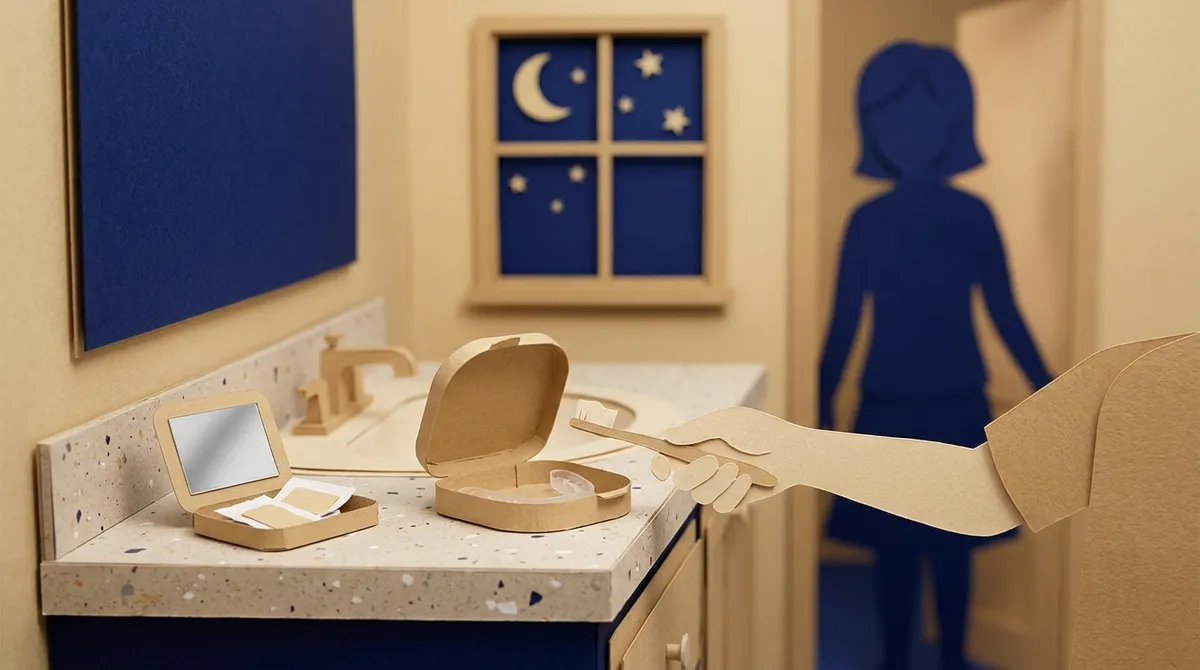
Attach appliance wear to an existing daily habit, such as putting the retainer in right after nighttime brushing, and keep the case within sight to make the routine stick.
-
Removable appliances should be cleaned exactly as the orthodontist directs, since heat and abrasive toothpaste can warp or cloud clear retainers.
-
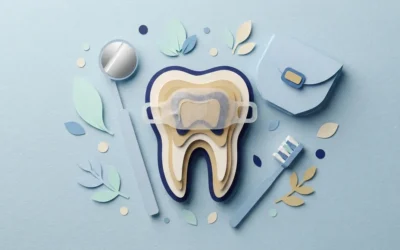
Keep a small braces travel kit in the backpack with a compact toothbrush, toothpaste, interdental brushes, orthodontic wax, and a mirror so kids can clean after school lunch.
-
Parents should shift from hands-on help to spot-checks as children grow, letting tweens and teens lead while offering gentle accountability rather than nagging.
-
If an appliance breaks or goes missing, call the orthodontist right away, avoid home repairs, and never force an ill-fitting retainer back in.
Picture this: it is 7:45 on a school morning. Backpacks are half zipped, someone cannot find a shoe, and your child is trying to brush around brackets while the clock ticks. Sound familiar? You are not alone. Orthodontic treatment is a team effort, and the daily care your child gives their braces or retainer matters just as much as the visits to the office.
The good news is that helping children build appliance care habits does not require perfection or lectures. It takes a simple routine, a few smart tools, and plenty of encouragement. Think of it like teaching a kid to tie their shoes. It feels clumsy at first, then one day it just happens.
In this friendly guide, we will walk through what good care looks like for braces and removable appliances, how to make habits stick, and what to do when things go wrong. Whether your child is 8 or 16, you will find practical ideas you can start tonight.
Why Do Appliance Care Habits Matter So Much?
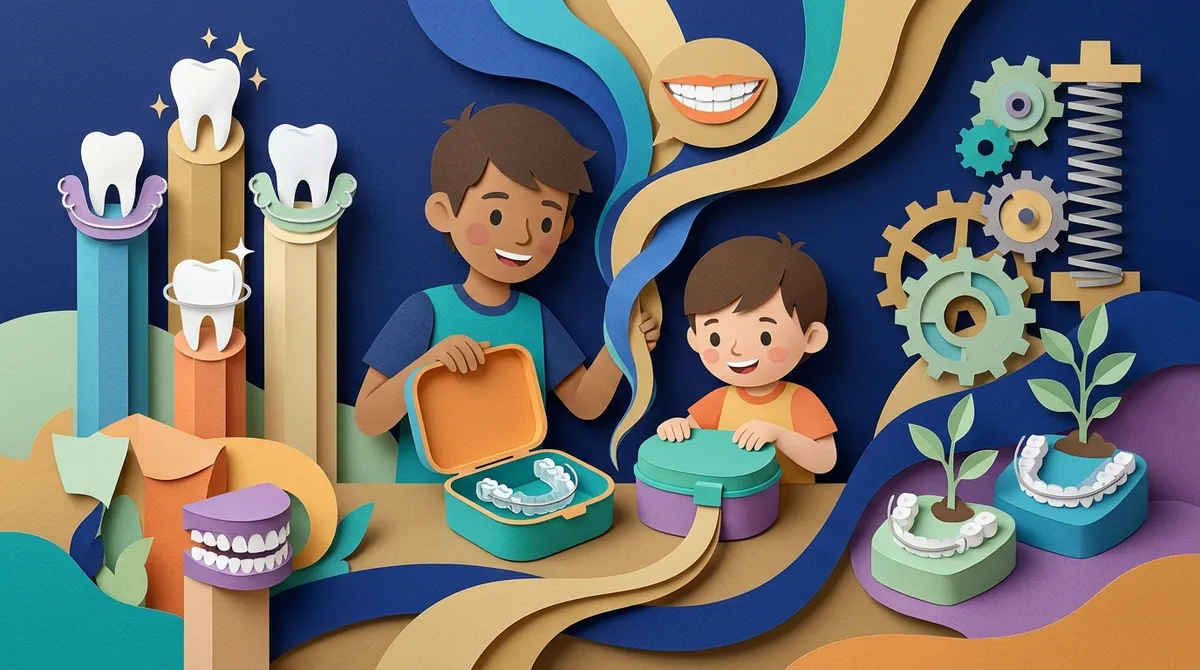
An orthodontic appliance is any device that helps move teeth or hold them in place. That includes fixed braces, removable appliances, and retainers. Each one does its job best when it is clean, worn as directed, and kept safe.
Braces can make cleaning harder. Food and plaque collect around brackets and under wires. When plaque builds up, kids face a higher risk of cavities, gum problems, and white spots on the enamel. Those spots can remain after the braces come off, which is a frustrating way to end a smile journey.
Removable appliances bring a different challenge. They only work when they are in the mouth as prescribed. Treatment can slow down if a child wears one when it is convenient instead of on schedule. A lost appliance can also mean extra visits and extra cost.
The right habits protect your child’s teeth, keep treatment on track, and save your family time and stress. For a broader look at staying healthy during treatment, see our guide on how to keep a healthy smile during braces.
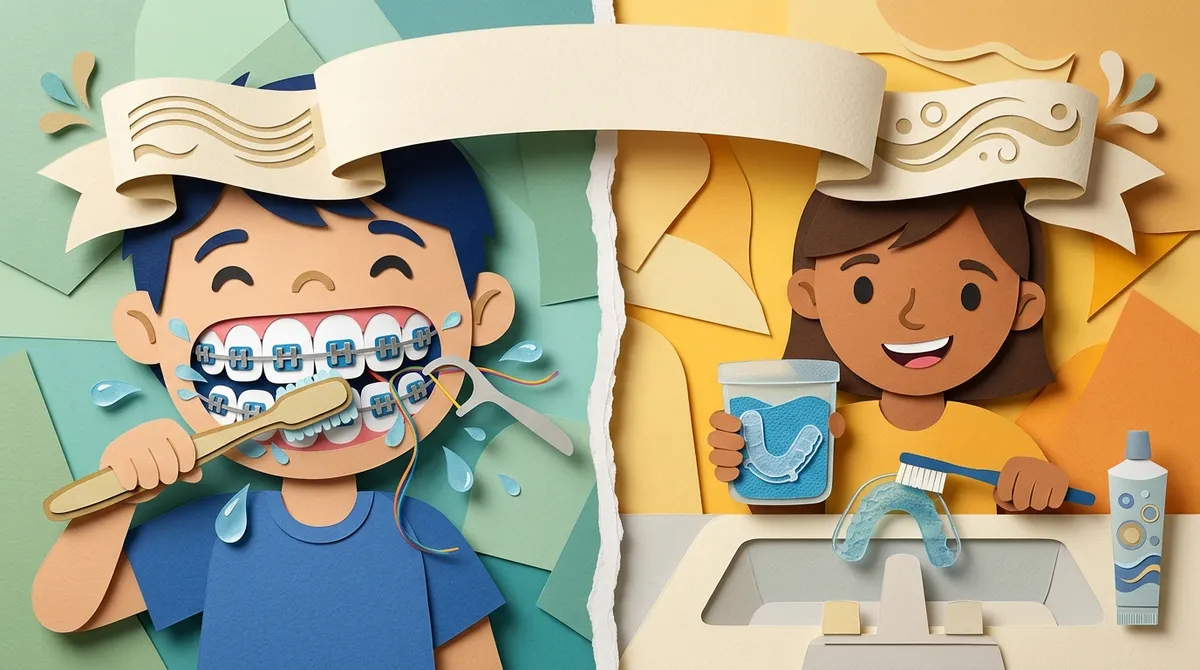
What Is the Difference Between Fixed and Removable Appliance Care?
Before building a routine, it helps to know what your child is wearing. The care steps change depending on the device. Always follow the specific instructions from your child’s orthodontist, because the right method depends on the appliance.
| Appliance Type | Daily Cleaning | Wear Rule | Biggest Risk |
|---|---|---|---|
| Fixed braces | Brush around brackets and under wires; clean between teeth daily | Always on | Plaque buildup, white spots, broken parts |
| Removable appliance | Clean as directed; brush teeth before putting it back in | As prescribed by the orthodontist | Skipped wear, loss, damage |
| Retainer | Clean with the method your orthodontist recommends | As directed, often nightly after treatment | Warping, loss, teeth shifting |
If you are not sure which rules apply, ask at your next visit. Our team is happy to walk you and your child through it, and you can always contact us with questions between appointments.
How Should a Child Care for Fixed Braces Each Day?
Fixed braces need extra attention, but the routine is simple once it becomes automatic. Here is a step-by-step approach you can teach at home.
- Rinse first. A quick swish of water loosens food stuck around the brackets.
- Brush with fluoride toothpaste. Angle the brush toward the gums and brush above the brackets, below them, and on the chewing surfaces.
- Clean under the wires. Use a small interdental brush or a floss aid to reach where the toothbrush cannot.
- Clean between the teeth daily. This step is the one kids skip most, so make it part of the bedtime routine.
- Check the mirror. Look for leftover food and any spots that look chalky or red.
Brushing after meals can help clear trapped food, especially after lunch at school. A small travel kit in the backpack makes this far easier. If brushing feels tricky at first, our post on why brushing with braces feels tricky at first offers friendly reassurance. You can also review 8 steps to brush teeth with braces the right way to practice together.
Build a Simple Braces Travel Kit
A tiny kit turns a skipped cleaning into an easy win. Pack these items in a small pouch:
- A compact toothbrush and a small tube of fluoride toothpaste
- Interdental brushes or floss aids
- Orthodontic wax for poking wires
- A small mirror
- A note with the orthodontic office phone number
How Do You Care for a Removable Appliance or Retainer?
Removable appliances are easy to take out, which also makes them easy to lose. Safe storage and a steady cleaning habit solve most problems.
First, clean the appliance the way your orthodontist recommends. Cleaning products and water temperature differ from one device to another. Some clear retainers can warp or turn cloudy when exposed to heat or scratched by abrasive toothpaste. When in doubt, do not guess. Ask first. Our article on why hot water can warp retainers explains the risk in plain language.
Second, give the appliance a home. A sturdy case should be the only place it goes when it is out of the mouth. Wrapping a retainer in a napkin at lunch is a classic mistake, because napkins get thrown away with the trash. Our guide on how to care for your dental retainer covers more daily tips, and 5 cleaning retainers mistakes to avoid helps families dodge the common slips.
Third, keep it away from pets. Dogs seem to love the smell of a retainer. If you have a furry family member, try the ideas in keeping retainers safe from pets.
How Can You Help a Child Remember to Wear Their Appliance?
Wear time matters. A removable appliance works as prescribed, not whenever it feels convenient. The trick is to attach the habit to something your child already does every day. Experts call this a cue, and it works wonderfully for kids.
Use Predictable Cues
Try linking appliance wear to a daily moment:
- Put the retainer in right after brushing at night
- Take it out and place it in the case before every meal
- Set the case next to the toothbrush so it is always in sight
- Use a phone alarm or a sticker chart for the first few weeks
Explain the Why
Kids cooperate more when they understand the purpose. Skip the scary talk and keep it simple. You might say, “Your retainer is like a seatbelt for your teeth. It keeps them in their new spots.” Our post on helping teens keep track of retainers has more ideas that work for younger kids too, and helping teens remember orthodontic elastics is a great read if your child wears rubber bands.
Remember that kids who can brush on their own may still need gentle reminders. That is completely normal, and it is not a sign that you are doing anything wrong.
What Does a Good Daily Routine Look Like?
Routines work best when they are short and predictable. Here is a sample rhythm you can adjust for your family.
| Time of Day | What to Do | Parent Role |
|---|---|---|
| Morning | Brush teeth and around brackets; put in appliance if prescribed | Quick check at the sink |
| After lunch | Rinse or brush; store removable appliance in its case | Pack the travel kit |
| After school | Snack check; avoid sticky or hard foods | Offer braces-friendly options |
| Bedtime | Full brushing, clean between teeth, put in retainer as directed | Supervise or spot-check |
School days can be the toughest part. For ideas, see how to build an oral hygiene routine for braces at school and 7 easy ways to manage braces care between classes.
How Much Should Parents Help at Different Ages?
There is no magic age when a child can handle everything alone. Think of it as a gradual hand-off. Children are active partners, and your support simply shifts over time.
- Younger children (around 7 to 10): Demonstrate the routine, brush alongside them, and check their work. Praise effort, not perfection.
- Tweens (around 10 to 13): Let them lead while you spot-check at bedtime. Help them pack a travel kit for school and activities.
- Teens (around 13 and up): Offer trust with gentle accountability. A quick “how are the braces feeling?” goes further than nagging.
Our guide on 7 ways parents can support teen oral hygiene with braces goes deeper on that teen hand-off, and how teens can protect orthodontic appliances is a nice one to share with your teenager directly.
Which Foods and Drinks Should Kids Limit?
What your child eats affects both their teeth and their braces. Sugary foods and drinks feed plaque, and hard, sticky, or chewy foods can bend wires or pop off brackets.
Foods that tend to cause trouble include:
- Hard candy, nuts, and ice
- Sticky candy like caramel and taffy
- Chewy snacks that pull at brackets
- Sugary sodas and sports drinks sipped all day
Do not worry, there are plenty of tasty choices. Soft fruits, yogurt, cheese, and cooked veggies are all friendly to braces. For lunchbox ideas, check out 6 braces-friendly school lunch ideas kids will love and 14 braces-friendly snacks for sports practice. A quick read on why chewing ice can damage braces helps explain one of the most common habits to break.
What Should You Do If an Appliance Breaks or Goes Missing?
Even careful kids have mishaps. The key is to stay calm and call the office rather than trying a home repair. If a bracket comes loose or a wire pokes, a small dab of orthodontic wax can ease discomfort until you are seen. Do not bend or cut wires yourself.
If a removable appliance or retainer is lost, broken, uncomfortable, or no longer fits, contact the orthodontist right away. Do not force an ill-fitting retainer back in, because that can cause harm. Our article on why you should not force an ill-fitting retainer explains why, and I lost my retainer: what to do next walks through the first steps.
For urgent situations, what counts as an emergency orthodontist visit helps you decide when to call right away versus when it can wait for a regular appointment.
Why Do Regular Check-Ups Still Matter?
Home habits are only half the picture. Your child should keep seeing the family dentist for professional cleanings during treatment. A common guideline is a cleaning every six months, or as often as the dentist recommends, though every child’s schedule can differ.
Orthodontic visits matter too. They let the team adjust the appliance, track progress, and catch small problems early. Skipping them can stretch treatment longer than planned. Learn more about the value of these visits in why orthodontic checkups matter so much, and see how care is shared in dentist vs. orthodontist visits.
If your child has not yet had a first evaluation, the American Association of Orthodontists recommends one by age 7. That visit is an evaluation, not a promise that treatment starts right away. Read age 7 vs. waiting to see what that visit looks like.
What Does the Research Tell Us About Kids and Appliance Cleaning?
A cross-sectional study of 6,706 schoolchildren in Pelotas, Brazil, found that 507 of them, about 7.6%, used removable orthodontic appliances. Among those users, 98% said they cleaned the appliance themselves. About 52% cleaned it at least once a day, while roughly 12% rarely cleaned it at all.
Brushing with a toothbrush and toothpaste was the most commonly reported method, at around 90%. Keep in mind that this study is local and observational. It describes what some kids reported doing, not what every appliance needs. Cleaning advice should always match the device, which is why asking your orthodontist is the safest move.
The takeaway is encouraging and honest at the same time. Most kids try to clean their appliances, but daily consistency is where many families can improve. That is exactly where a simple routine helps.
How Can You Keep Motivation High Over Months of Treatment?
Treatment can last a good while, and enthusiasm naturally dips around the middle. Here are some gentle ways to keep spirits up.
- Celebrate small wins. A week of consistent brushing deserves a high five or a family movie night.
- Make progress visible. A sticker chart works wonders for younger kids.
- Let them choose. Picking a fun retainer case or travel kit gives kids a sense of ownership.
- Stay positive. Skip the shame and focus on what is going well.
For a fresh perspective on what to expect along the way, see what to expect with braces at every step and 6 ways to support your teen through braces.
Why Choose Brockway Orthodontics for Your Child’s Care?
At Brockway Orthodontics in Clearwater, Florida, we believe good habits start with good understanding. Dr. Brockway takes time to listen, explain, and make sure both kids and parents feel comfortable. We offer metal braces, ceramic (clear) braces, and Spark™ Clear Aligners, so families can find the option that fits their child’s life.
Our team teaches care routines in a friendly, easy-to-follow way, because a child who understands the “why” is far more likely to stick with the “how.” We also use modern tools like digital impressions and 3D imaging, which keep visits comfortable and treatment precise. Curious about what our families say? You can visit us on Google and read Brockway Orthodontics reviews.
For general oral health guidance, the American Dental Association offers helpful resources for families, and the Florida Association of Orthodontists is a good place to learn more about orthodontic care in our state.
Ready to Help Your Child Build Great Habits?
Strong appliance care habits are one of the best gifts you can give your child during treatment. Start small, stay consistent, and cheer for every bit of progress. Some days will be messy, and that is okay. A steady routine, the right tools, and a supportive team make all the difference.
If you have questions about your child’s braces, retainer, or aligners, we would love to help. Book an appointment online and let Dr. Brockway and our friendly team guide your family toward a healthy, confident smile.
FAQs
Q: How often should kids clean their braces and removable appliances?
A: Kids with fixed braces should brush carefully at least twice a day and clean between their teeth daily. Brushing after meals helps too. Removable appliances should be cleaned as your orthodontist directs, since the right method depends on the device.
Q: How do I help my child remember to wear their retainer?
A: Tie it to a daily habit your child already has, like putting it in right after brushing at night. Keep the case near the toothbrush, and try a phone alarm or sticker chart for the first few weeks. Explaining why it matters helps kids stick with it.
Q: What should I do if my child loses or breaks an appliance?
A: Stay calm and contact your orthodontist right away. Please do not try to repair a bracket or wire at home, and do not force an ill-fitting retainer back in. Quick communication usually keeps treatment on track.
Q: At what age can a child care for their appliance independently?
A: There is no set age, because every child is different. Younger kids need demonstration and supervision, while tweens and teens can take the lead with spot-checks. Even independent brushers often still need friendly reminders.
Our Service Area